


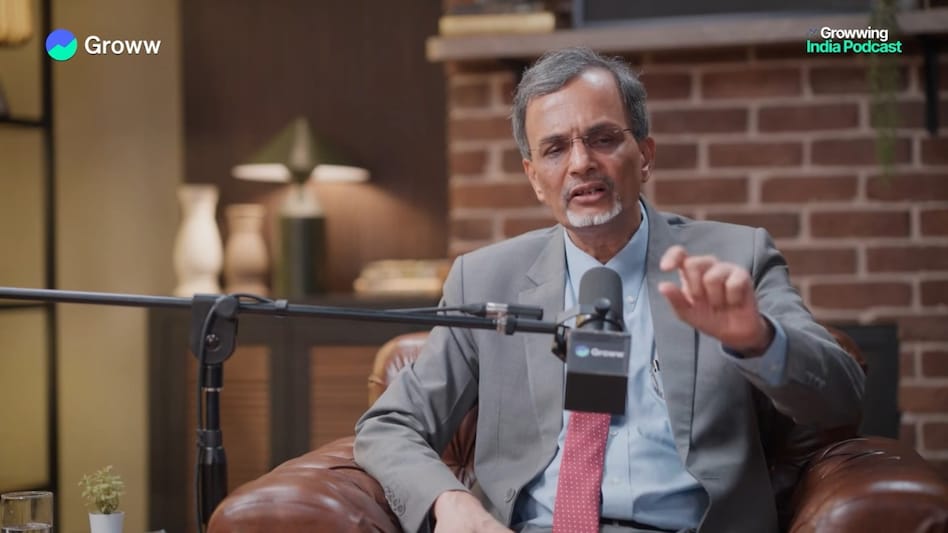
 Chief Economic Advisor Dr V Anantha Nageswaran
Chief Economic Advisor Dr V Anantha Nageswaran said India's regulatory mindset often punishes the majority for the faults of a few, calling for a shift from bureaucratic overreach to trust-based governance.
Speaking in a podcast conversation with Monika Halan for Groww, he said blanket compliance requirements like repeated Know Your Customer (KYC) checks exemplify how policy tends to inconvenience millions to control a handful of violators.

 100% tariffs immediately? What Trump’s new Russia sanctions law means for India
 Russian oil & gas purchase: Trump signs Bill into Act targeting 100% tariffs on India, China
 'Tatas today are the face of India...': Former Solicitor General Harish Salve backs Tata Sons public listing
  Trump’s announces Greenland deal with Denmark: What it means for US military presence
 Panic button: California governor issue order for mandatory kill switch on advanced rogue AI
 “Unacceptable And Unprofessional”: MEA Rejects Pakistan’s Claims Over INS Kolkata Collision
  Commodity Trading For Beginners: How MCX & NCDEX Work | Trading Basics | Money Today
 US Fed Rate Hikes A Headwind For Foreign Flows? | Jibi Jacob | Jefferies
 ₹25 Billion FII Outflow: What Could Bring Foreign Investors Back? | Jefferies' Jibi Jacob
 India’s Private CapEx Picks Up: Christopher Wood On The Market Outlook
 Jindal Supreme, SS Retail, Hero Motors IPOs subscribed up to 181 times on final day; details here
 Sensex, Nifty post sixth weekly loss; TCS, Titan among top laggards, slip up to 4%
 How AI collapse could benefit Indian equity market; Jefferies' Christopher Wood explains
  Banks are no more secular growth story, prefer NBFCs: Chris Wood
 Jefferies' Christopher Wood sees gold at $10,000 'sooner or later'; likes India's small, midcaps
 'Fake news': Trump bans CNN, Politico, MS NOW from White House; press groups vow legal action'Tatas today are the face of India...': Former Solicitor General Harish Salve backs Tata Sons public listing 100% tariffs immediately? What Trump’s new Russia sanctions law means for India
 Petrol, diesel prices today, September 19: Check latest rates in Delhi, Mumbai, Chennai, Kolkata & more
 Quote of the Day by Steve Jobs: 'For you to sleep well at night, the aesthetic, the quality, has to be carried all the way through'












