


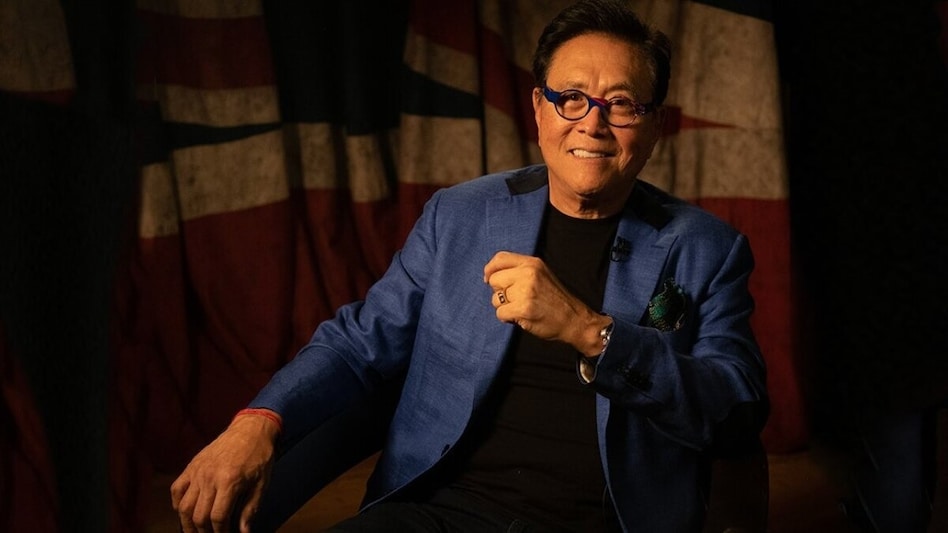
 Invoking the Boston Tea Party of 1773, Kiyosaki said the United States was founded in opposition to excessive taxation, adding that, in his view, wealthy individuals in many countries legally pay less tax due to how systems are structured.
 Bestselling author and financial commentator Robert Kiyosaki has issued a stark warning about who pays the price during economic downturns, arguing that the global financial system is structured to shield banks while passing losses on to ordinary taxpayers.
In a post on X (formerly Twitter), the Rich Dad Poor Dad author said the world economy was facing renewed stress and claimed that bankers ultimately “win” regardless of whether markets rise or fall. “Heads bankers win… tails bankers win… but you lose,” Kiyosaki wrote, framing the system as one in which financial institutions retain profits during boom years while the public absorbs losses during crises.

 'Methodology is very robust': Former statisticians back GDP base year revision
 FCNR deposit bonanza: Economists explain why deft liquidity management will be key
 ‘Painful to hear allegations of data jugglery’: MoSPI secretary Saurabh Garg says every data is verifiable
 ₹1,800 crore Ultravolt bet: Aditya Birla Group enters wires and cables market, targets top two spot in 5 years
 $136 billion forex inflow gives rupee a lift, takes it to two-month high
 Maruti Suzuki Sees Strong Demand Ahead; ‘No Reason Why We Should Not Sustain Volumes’: Partho Banerjee
 Ultravolt: Birla’s New Wires & Cables Bet | Kumar Mangalam Birla Explains The Opportunity
 Why Did India’s GDP Fall From ₹86L Cr To ₹80L Cr? | MoSPI Secy Dr. Saurabh Garg Explains
 India Back To ‘A’ Rating After 38 Years: N K Singh Explains The Big Economic Shift
 Exposing The GDP Controversy: Why Subhash Garg's Math Is Flawed
 Coal India, Finolex Cables, Gulf Oil, Federal-Mogul Goetze among stocks to turn ex-dividend tomorrow, details here
 Fintech smallcase launches US stock, ETF portfolios for Indian investors
 Sensex plunges over 2,100 points in 3 minutes; what happened in final 5 minutes?
 Britannia, Tata Consumer, Marico: What should investors do as commodity inflation rise
 How EV-themed stocks could impact sentiment on Maruti Suzuki counter
  Luxury bags vs gold investment vs Birkin bag: Should you buy a handbag instead of gold?
 Hombale Films takes 'Hanuman Ansh' global: Check worldwide release date after ₹61 crore success
 HSBC MF’s RedHex Hybrid Long-Short Fund crosses ₹1,000 crore AUM within two months of launch
 Looking for South Indian films? Netflix’s new Southverse puts them all in one place
 Japan has a 17-year-old literacy ambassador. Meet Aditi Paudel, the first from the country to take on the role












