


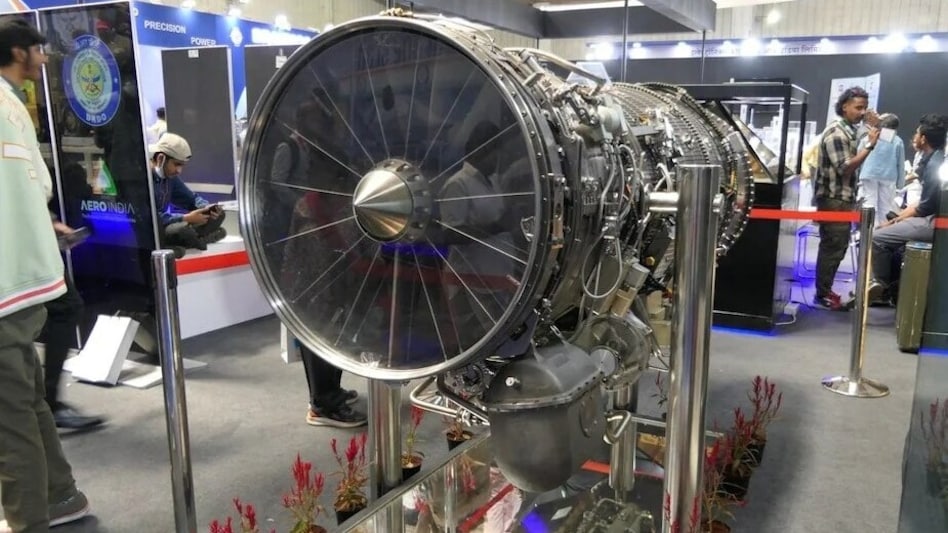
 The redesign represents a fundamental architectural shift rather than an incremental modification. The earlier Kaveri Derivative Engine (KDE) delivered between 49kN and 52kN of thrust, falling short of modern fighter operational requirements.
Conceived more than four decades ago and split from the Light Combat Aircraft (LCA) project in 2008 following performance shortfalls, India’s indigenous Kaveri jet engine is undergoing a complete structural rebirth.
Facing persistent global supply chain bottlenecks that delayed deliveries of foreign powerplants and stalled local aircraft production, the Defence Research and Development Organisation’s (DRDO) Gas Turbine Research Establishment (GTRE) has uncoupled the revived Kaveri 2.0 from heavier stealth-fighter engine plans.

 Tata Sons chairman race heats up: T V Narendran, Saurabh Agrawal, NSE's Ashish Chauhan in contention
 Tata-owned JLR faces financial pressure: Plans 4,000 UK job cuts as sales fall, US tariffs squeeze margins
 Subhash Chandra booked by CBI in alleged ₹1,322 crore LIC Housing Finance fraud case: Report
 Crude oil could crash to $40 after Iran war ends, says US Treasury Secretary Scott Bessent
 UN adopts Equal Earth map: All about Africa’s true size, Mercator distortions and what changes now
 Money & Marriage: How Couples Can Divide Household Expenses, Track Spending And Stay On Budget
 Parag Parikh Flexi Cap Fund Underperformance: Is Fund Size Becoming A Major Challenge For Investors?
 Midcap, Smallcap Funds: Strong Profit Growth Could Keep Investor Flows Robust, But Valuations Matter
 Travel Insurance Guide: Where To Buy, How Much Cover You Need & When To Get It
 MINI Countryman C Tech Overview | Tech Gear EP 17 | ASUS Jelly75 Keyboard | Business Today
 Tata Power stock: Choice Broking expects recovery, assigns two price targets
  IPO rush next week: 11 issues eye to raise Rs 7,055 crore; 6 IPOs to open on same day, check details
 600% dividend stock: Check dividend per share, record date, payment date and other key details
 56% rally in TBZ stock: Upper circuit led to record high today; here's why
  Sensex, Nifty snap four sessions of losing streak; RIL, Tata Steel, Bajaj Finance boost sentiment
  ‘Contribute for family, support with dignity’: Union Minister Jitendra Singh backs CSS Shield initiative
 Bank of India Flexicap takes the biggest small-cap bet: Is higher risk worth it?Tata-owned JLR faces financial pressure: Plans 4,000 UK job cuts as sales fall, US tariffs squeeze marginsUN adopts Equal Earth map: All about Africa’s true size, Mercator distortions and what changes now
 CM Rekha Gupta felicitates 116 teachers, says Delhi education reform must begin with basic facilities












