


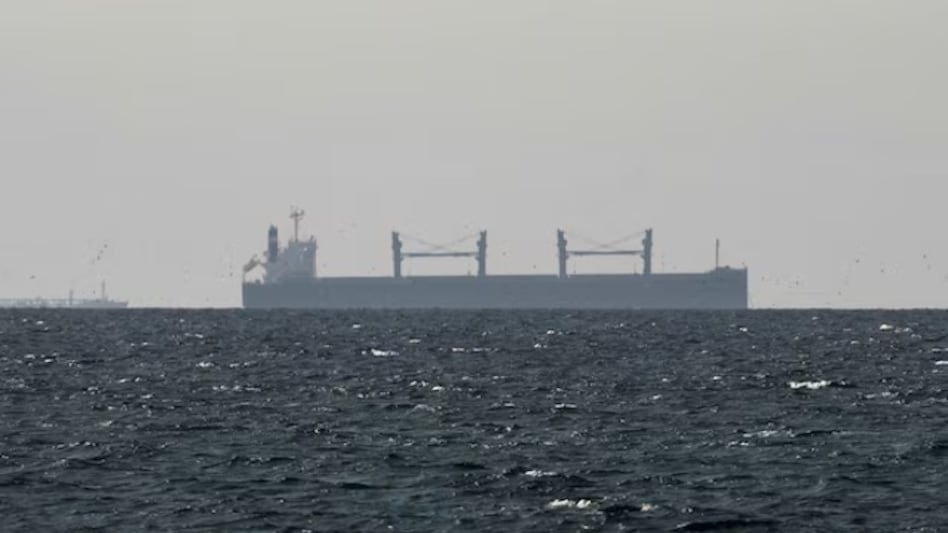
 From one-week trip to three-week ordeal: Indian tanker’s Hormuz escape story
What was meant to be a routine week-long voyage turned into a three-week wait at sea for an Indian LPG tanker, caught in the middle of a conflict that reshaped one of the world’s busiest energy routes.
The Indian-flagged tanker Pine Gas had loaded cargo at the UAE’s Ruwais port a day before Israel and the United States launched strikes on Iran on February 28. Instead of a direct return, the vessel remained stranded for weeks before finally crossing the Strait of Hormuz under tightly controlled conditions.

 Why Zerodha Fund House is bullish on life cycle funds
 Air India sacks Phuket-Delhi pilot after psychoactive substance test comes back positive
 BT Explainer: Why Volkswagen Group plans to axe 12% of its workforce in India
 NSE IPO update: SEBI approval likely next week; Check expected dates of price band and listing
 EPF interest after leaving job: Will your provident fund balance keep earning until 58?
 #DemocraticNewsroom | '800 Million People On Subsidies': Siddharth Zarabi On India’s K-Shaped Economy
 #DemocraticNewsroom | India Inflation Data: Are Official Numbers Hiding The Real Economic Picture?
 GDP Real Or Fudged? Siddharth Zarabi Defends India’s Growth Numbers With Data
 Financial Planning For Couples: How To Build A Strong Financial Plan, Budget & Wealth Together
 “High Sugar, Salt, Fat”: FSSAI CEO On Proposed Red Warning Labels On Food Packs
 56% rally in TBZ stock: Upper circuit led to record high today; here's why
  Sensex, Nifty snap four sessions of losing streak; RIL, Tata Steel, Bajaj Finance boost sentiment
  Physicswallah shares jump 9% as Motilal Oswal sees 66% upside
 KEC International: At 52-week low, Geojit expects more downside in infra stockNSE IPO update: SEBI approval likely next week; Check expected dates of price band and listing
 PM Modi congratulates ‘friend’ Meloni as she becomes Italy’s longest-serving PM
 Ex-IMF economist Surjit Bhalla backs 7.8% GDP number: 'No evidence of exaggeration'
 Trishuli Rescue: Stranded Nepal Residents Evacuated Across Rope Bridges After Floods
 Exclusive: Actor Sonu Sood Reaches Flood-Hit Nepal, Urges People To Step Up Relief Efforts
 Nainital: Shipra River Swells Near Kainchi Dham After Heavy Rain, Raising Flood Concerns












