














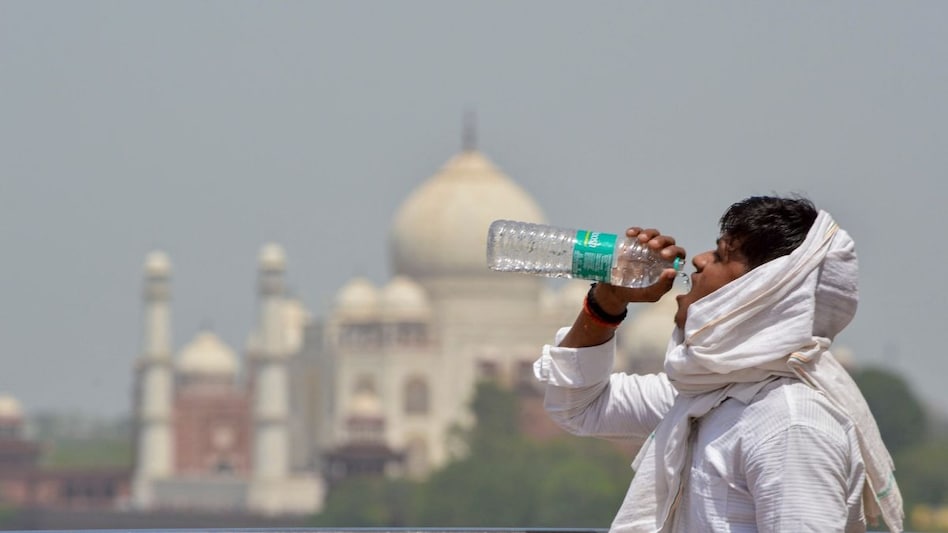
 When high humidity couples with the new 40°C baseline, the resulting heat index — how hot it actually feels — skyrockets to hazardous levels.
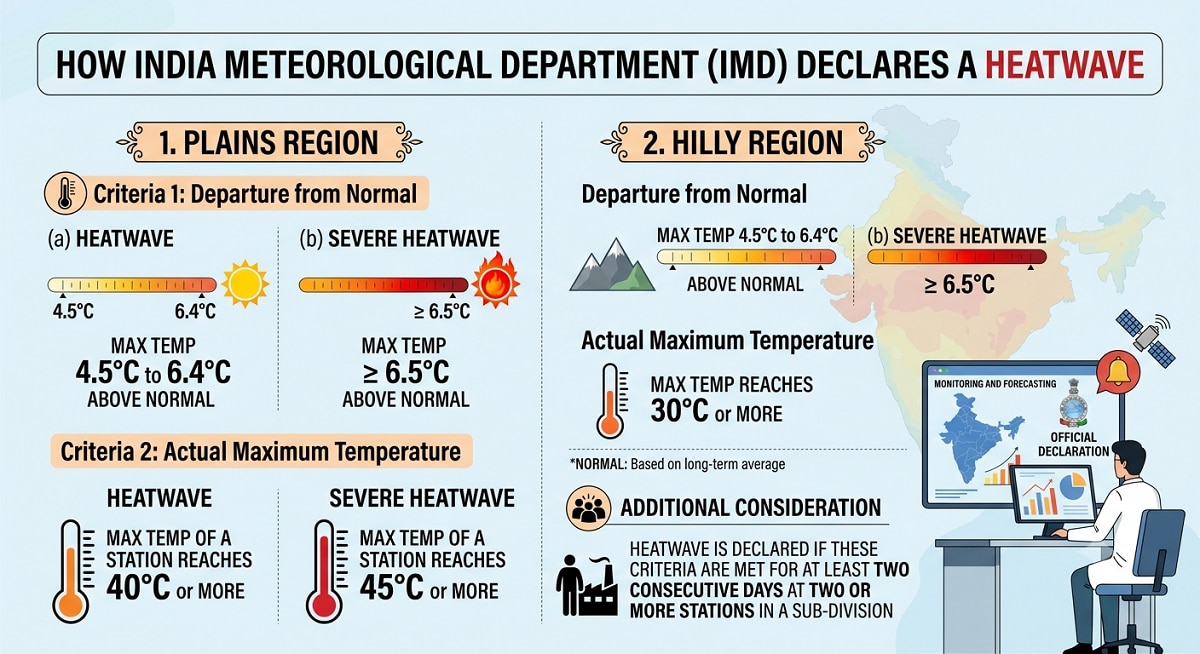
An invisible threshold has been crossed across the Indian subcontinent. What used to be a headline-grabbing peak at the height of a grueling summer — the 40°C mark — has quietly transitioned into an everyday baseline.
As peak summer temperatures routinely surge past 40°C earlier in the season and lock in for longer durations, parts of northern, central, and eastern India now frequently clock readings between 43°C and 47°C. Yet, the true crisis of India’s modern climate reality is not found in these daytime maximums. A fundamental atmospheric shift is underway, characterized by two invisible, compounding factors that are pushing human endurance to its absolute limits.
 India to face 100% tariffs? US House moves Russia Sanctions bill, final vote tomorrow
 NSE IPO: SEBI decision on CAS acceptable, focus stays on implementation, says Ashishkumar Chauhan
 Paytm, Pine Labs share price targets as MDR charges on UPI above Rs 2,000 introduced
 Brent crude futures fell 93 cents to $107.82 a barrel even amid supply risks: Here’s what’s happening
 Mecca on air alert: Saudi Arabia issues first-ever warning amid Houthi attacks in West Asia
 Crude Oil Price Surge: Will Petrol And Diesel Prices Rise In India?
 Market Commentary: Sharad Avasthi On Nifty, Stocks & The Next Big Move
 RBI Files Caveat In Bombay HC Ahead Of Tata Sons Appeal | Tata Group Stocks | Tata Chemical Shares
 NSE IPO Explained: Price Band, Valuation, Growth Potential And Key Risks
 Stock Market Falls As Crude Oil Nears $110 & Weak Rupee | Stock Market News
 Prasol Chemicals listing: Stock slips 10% to IPO price, opens at Rs 611
 eMudhra shares zoom nearly 37% in two days; here's the trigger
 Glass Wall Systems shares list at nearly 7% premium over IPO price
 Kalyan Jewellers, PC Jeweller, Thangamayil Jewellery shares slip up to 8% in early deals; here's why
  Hero Motors IPO opens today: Should you subscribe? Check price band, latest GMP, reviews & morePrasol Chemicals listing: Stock slips 10% to IPO price, opens at Rs 611eMudhra shares zoom nearly 37% in two days; here's the trigger
 Box office clash: Pankaj Tripathi's 'Mirzapur: The Movie' nears ₹200 crore, Akshay Kumar-led Haiwaan strugglesGlass Wall Systems shares list at nearly 7% premium over IPO price
 'We hope he's not acting here': Supreme Court gives Rajpal Yadav 2 weeks' respite in ₹5 crore cheque bounce case


