

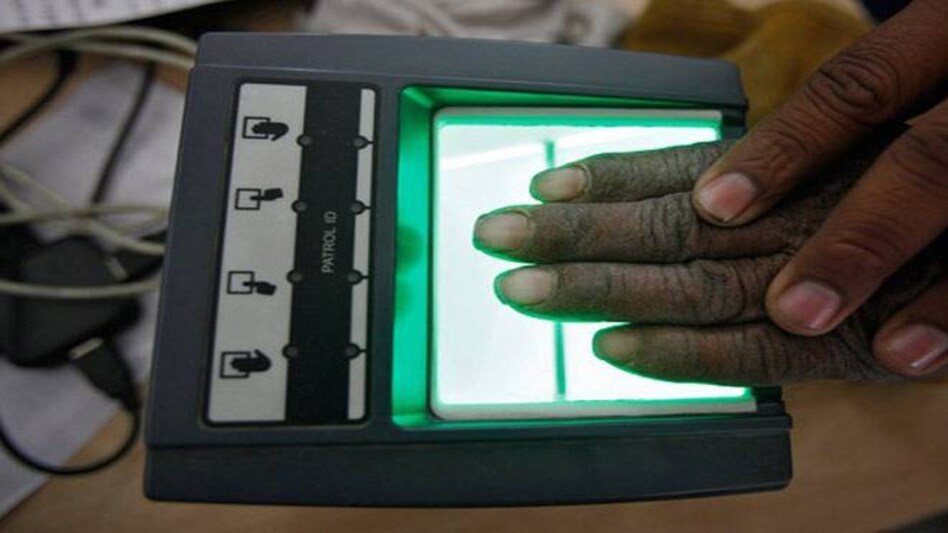
 You can now use your Aadhaar numbers on a voluntary basis to comply with the RBI's Know-Your-Customer (KYC) norms
You can now use your Aadhaar numbers on a voluntary basis to comply with the regulator's Know-Your-Customer (KYC) norms. The Reserve Bank of India introduced important amendments to the Master Direction on KYC on Wednesday along with updating its list of documents eligible for identification of individuals.
The KYC details basically enable banks and other regulated entities - including financial institutions, NBFCs, payment system providers, prepayment instrument issuers and agents of the Money Transfer Service Scheme - to understand their customers and their financial dealings better. This, in turn, helps them better manage their risks. First issued in the second half of 2002, the norms were initially applicable only to first-time account holders. Since 2004, even existing customers have been brought into the net, hence the need for periodic KYC updation.
 China announces export controls on tunnel boring machines. Challenge for India's infra push?
 Houthi attacks disrupt Saudi aviation: Riyadh airport restricts flights indefinitely
 Fewer seats, higher fares: Why flying home this festive season costs more
 Volkswagen explores CNG cars as India powertrain strategy evolves
 Much of the market downside may be behind us, says Carnelian’s Vikas Khemani
 PNB Reports Strong Q2FY27 Results; MD & CEO Ashok Chandra On Earnings And Growth Outlook
 Market Commentary | Axis, HDFC Bank & IT Stocks Bleed! Vaishali Parekh On Key Support Levels
 Cricket Diplomacy To Zero Tariffs: Why The India-New Zealand FTA Is A Total Win-Win
 How Many Mutual Funds Should You Hold? Expert Explains Portfolio Diversification And Fund Overlap
 Why Smartphone Prices Are Skyrocketing Despite Festive Discounts?
 Indian stock market outlook: Nikunj Saraf prefers large-caps, cautions against small-caps
 Hindustan Zinc Q2 earnings: Net profit zooms 149%, revenue at Rs 15,093 crore
  Muhurat Trading 2026: NSE, BSE announce Diwali timings; check full schedule
 ICICI Bank shares close lower after Q2 earnings; 3 brokerages remain bullish
 Union Bank of India shares rise 5% on Q2 earnings, check details
 ‘Made in India’ JCB heads to New Zealand: Piyush Goyal flags off first-ever machine export from PuneVolkswagen explores CNG cars as India powertrain strategy evolvesChina announces export controls on tunnel boring machines. Challenge for India's infra push?
 How Women Leaders Turn Career Change Into Growth
 Finding Purpose in Life: Why Serving Others Can Change Everything












