


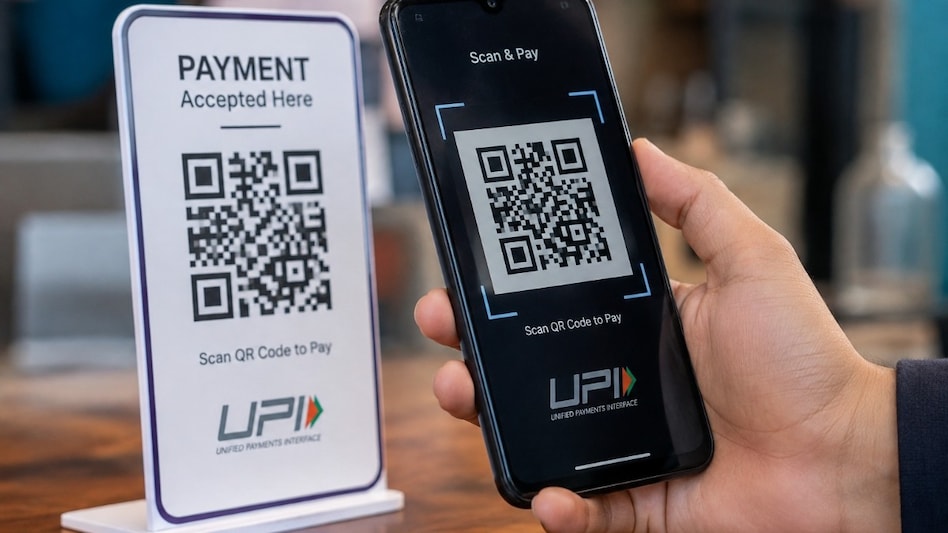
 The Lok Sabha on Thursday passed a Bill creating the legal framework to allow MDR on specified electronic payment modes, including UPI.
If the government eventually restores the Merchant Discount Rate (MDR) on select Unified Payments Interface (UPI) transactions, the impact is unlikely to be uniform across industries. A heatmap prepared by industry experts shows that while banks and fintech companies stand to gain from a new revenue stream, organised retail, jewellery, hospitality and consumer durables could bear the highest costs.
The analysis assumes the framework currently under discussion—a proposed 0.25-0.30% MDR on UPI payments above ₹2,000 made to large merchants. It evaluates 28 sectors using three filters: whether transactions take place on UPI, whether the average ticket size exceeds ₹2,000 and whether the merchant is a large business. Only sectors meeting all three conditions score high on MDR sensitivity.

 Dollar deluge: RBI’s forex scheme draws $136.37 billion
 'Sugar availability is more than sufficient': Industry dismisses shortage fears ahead of festive season
 '125% of GDP kept in frozen savings of gold, silver': Kotak's Nilesh Shah flags India's growth hurdle
 Mahindra-SML merger to unlock sourcing, product platform and service synergies: Vinod Sahay
 'No mechanical boost to GDP numbers': MoSPI's detailed clarification on 7.8% growth
 U.S. May Tighten Child Passport Checks Under Trump, Indians And Birth Tourism Families Face Scrutiny
 Market Commentary | Deven Choksey On Buying Opportunities & Market Trends
 “India Is Certainly Not In Crisis”: Arvind Panagariya On Growth, Investment And Reforms
 Daily Calls: Ask Your STOCK MARKET TODAY QUERIES | Market Update | Share Market News Today
 What’s Hot: Stocks, Gold & Big Money Moves | Daily Markets Show | September 02 | Business Today
 RIL-backed Alok Industries shares hit fresh 52-week low, end slightly higher
 Milky Mist shares surge 10% after Q1 results; brokerage sees more upside potential
 Hero MotoCorp, Eicher Motors shares slide up to 5%; analyst flags key support levels
 Man Infraconstruction shares fall; Rs 169 crore buyback approval in focus
 Brigade Enterprises shares: Analyst on when to exit the real estate counter
  'Magical moment for India': Ex-Finance Commission Chairman hails Japan's A- rating upgrade, defends new GDP methodology
 'Comparing apples to oranges': Amitabh Kant defends India's revised GDP methodology
 'Excited to see Indian startups build the local AI economy': Nvidia CEO Jensen Huang'125% of GDP kept in frozen savings of gold, silver': Kotak's Nilesh Shah flags India's growth hurdleMahindra-SML merger to unlock sourcing, product platform and service synergies: Vinod Sahay












