


 Is Donald Trump planning to impose 200% tariff on pharmaceuticals?
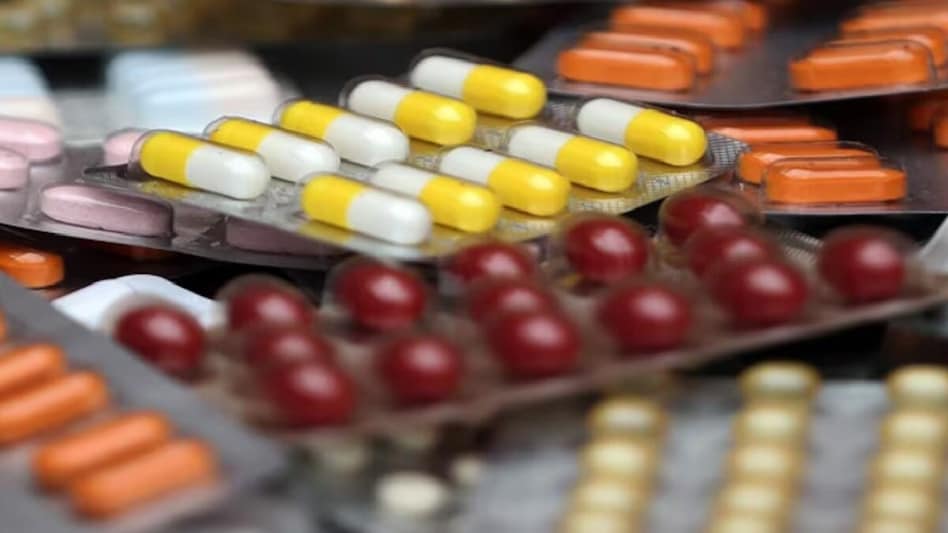
US President Donald Trump, who has so far exempted but promised tariffs on pharmaceuticals, is mulling to impose duties of 200 per cent or more on drugs made elsewhere, according to a report. The US has, for decades, allowed imported medicine to enter its borders duty free. However, in a recent trade deal with Europe, the US imposed a 15 per cent tariff on certain European goods, including pharmaceuticals.
However, the 200 per cent tariff on pharmaceuticals goes against Trump's promise of making drugs cheaper in the country. Imposing stiff tariffs would do the opposite, as well as disrupt supply chains, drive cheap foreign-made drugs out of the US, and create shortages, the Associated Press report added.

 BT Big Story: Why India Inc is warming up to non-English-speaking executives
  Govt may consider auto PLI applications from firms with Chinese investments: Report
 G20 Summit: PM Modi expected to travel to US; bilateral with Trump likely on the cards, say sources
 SS Retail, Jindal Supreme make solid stock market debut; Hero Motors disappoints with a weak listing
 Tata Sons IPO battle: Why Shapoor Mistry has so much at stake
 Macro Volatility Vs Earnings: Why Earnings Matter More Than Valuations | Anshul Saigal
 India’s CDMO Opportunity: Anshul Saigal Spots Underappreciated Names
 IT Stocks Under Pressure: What Next For Indian Markets? | Chakri Lokapriya
 Karnataka’s Welfare Schemes Under Pressure As Finance Department Flags New Challenges
 Family Disputes Can Hold Businesses Back: Nirmala Sitharaman’s Message To Family Firms
 ArMee Infotech IPO opens today: Should you subscribe? Check price band, reviews, latest GMP & more
 PC Jeweller shares jump 9% to hit 52-week high; stock gains 83% in six months
 Ola Electric shares jump over 12% today; what analysts saySS Retail, Jindal Supreme make solid stock market debut; Hero Motors disappoints with a weak listing
 Elevate Campuses IPO opens today: Should you subscribe? Check price band, reviews, fresh GMP & more
 Beware: Amazon, Flipkart festive sale scams could get smarter with AI shopping tools; All you need to knowArMee Infotech IPO opens today: Should you subscribe? Check price band, reviews, latest GMP & more
 Nayara Energy gets interim court relief: Delhi HC orders SAP to restore critical software support
 Apple’s next big health gadget could be a screenless fitness bandPC Jeweller shares jump 9% to hit 52-week high; stock gains 83% in six months












