


 Rising temperatures emerged as the most widely observed climatic change across cities, while rainfall variability was more strongly perceived in Chennai and Surat.
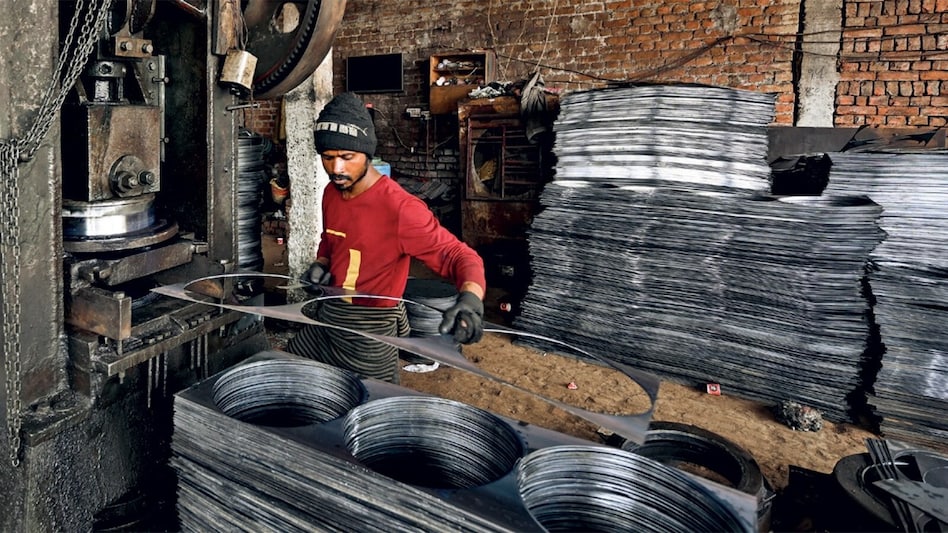
Micro, small and medium enterprises (MSMEs) face a disproportionately higher impact of climate change because of their lower adaptive capacity, with 92% of MSMEs that took part in a survey reporting operational impacts due to heat stress, finds a report.
The report, Resilience of Micro, Small and Medium Enterprises to Climate Risks: A Vulnerability Assessment in the Manufacturing Sectors of Gujarat and Tamil Nadu, by WRI, is based on a survey of 310 manufacturing MSMEs across Surat, Chennai and Coimbatore. It examined how extreme heat and flooding affect productivity, operations, supply chains and business continuity.

 EPF wage ceiling likely to be raised to ₹25,000 from ₹15,000; Cabinet may discuss proposal
 NSE IPO: Institutional interest strong; business highly profitable, says Ashishkumar Chauhan
 ED to scrutinise IBC cases with large haircuts, promoter re-acquisition of assets
 UPI vs debit card vs credit card MDR: How much does each payment method cost merchants?
 Paytm says new UPI MDR will generate additional revenue from merchant business
 UPI Charges From October 15? What The New MDR Rules Mean For You
 UPI Payments Above ₹2,000 Face MDR: Who Pays The New Fee?
 Indian Markets Face More Sell-Off? Crude, U.S. Yields & Fed In Focus | Stock Market News
 NSE IPO Vs BSE: Valuation, Listing Impact & What Investors Should Watch
 FMCG Stocks Rally: Why Inflation Could Hit Margins And Pricing Power
 HAL, BDL, Mazagon Dock, Astra Microwave, Data Patterns: HSBC shares target prices for defence stocks
 UPI MDR: Radiant Cash, CMS Info Systems, ATM-related shares jump; here's why
 Solar Industries stock plunges 17% in two days; here's what DAM Capital says NSE IPO: Institutional interest strong; business highly profitable, says Ashishkumar Chauhan
 Welspun Living's arm gets credit rating upgrade, check stock reaction HAL, BDL, Mazagon Dock, Astra Microwave, Data Patterns: HSBC shares target prices for defence stocksEPF wage ceiling likely to be raised to ₹25,000 from ₹15,000; Cabinet may discuss proposal
 ITC cigarette prices revised again: Classic Connect, Gold Flake Super Star get costlierED to scrutinise IBC cases with large haircuts, promoter re-acquisition of assetsUPI MDR: Radiant Cash, CMS Info Systems, ATM-related shares jump; here's why












