


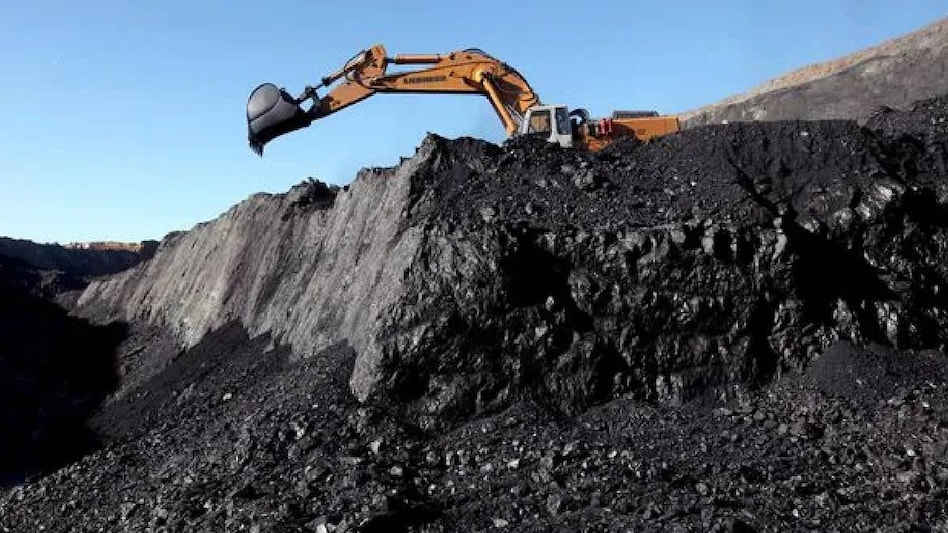
 The report by Global Energy Monitor, an independent organisation that tracks energy projects, said that the Indian government has set a target to add 100 GW of new coal capacity over the next seven years.
India has 107.3 GW of thermal capacity in pre-construction planning and another 23.5 GW under construction, even as record additions of solar and wind pushed non-fossil capacity to more than half of total installed power capacity in 2025, said a report.
The report by Global Energy Monitor, an independent organisation that tracks energy projects, said that the Indian government has set a target to add 100 GW of new coal capacity over the next seven years.
The report finds a growing paradox in the global energy transition; coal power capacity continued to expand in 2025, even as the actual use of coal for electricity generation declined.

 'Vietnam revised GDP by 25% in 2019': Economist explains why last year's estimate changed
 NITI Aayog launches new platforms to scale up electric truck adoption
 'Beginning first round of reductions': JLR confirms 4,000 job cuts over next 2 years
 Honda outsells Hero MotoCorp for second straight month in August
  India goes big on defence: Rs 1.10 lakh crore acquisition plan cleared. What Army, Navy, IAF will get
 Non-Local Electric Bus Software Is A National Security Risk, Warns Eka Mobility Chairman Sudhir Mehta
 Mounjaro Sales Surge 502%: Why GLP-1 Drugs Are Taking Over India’s Pharma Market
 Auto Stocks Outlook: Why Investors Should Be Cautious Despite New Model Launches And Strong Demand
 U.S.-Iran War, Elevated Crude Hit Indian Stocks: Can Nifty Reverse Its Downward Trajectory Now?
 Crude Oil, Gold & Silver: What’s The Next Big Move? | Kunal Shah
 Tata Steel, Hindustan Copper, Lloyds Engineering shares: Expert weighs in; names top pharma, broking bets
 Adani Power secures LoI to acquire GVK Energy; details here
 Two upper circuits for Sterlite Technologies shares as firm discloses FY29 targets
 Sensex falls 383 points, Nifty settles at 23,779; IT, metals among top drags
 APL Apollo Tubes, KDDL, Globus Spirits among 11 stocks to turn ex-dividend tomorrow
 She listens, takes notes and gets paid: How this 67-year-old Colombian woman turned neighbourhood gossip into a business that bought her two houses
 ₹1.26 lakh crore in rental deposits: How verified data could transform India’s housing market
 AI meets luxury living: Inside a $25 million Florida mansion where an AI system controls lighting, climate, sound & security
 Pangea Ultima: New supercontinent could make 92% of Earth’s land uninhabitable for humans. Here's when
 UPI effect: ATM cash withdrawals fall even as cash in circulation rises












