


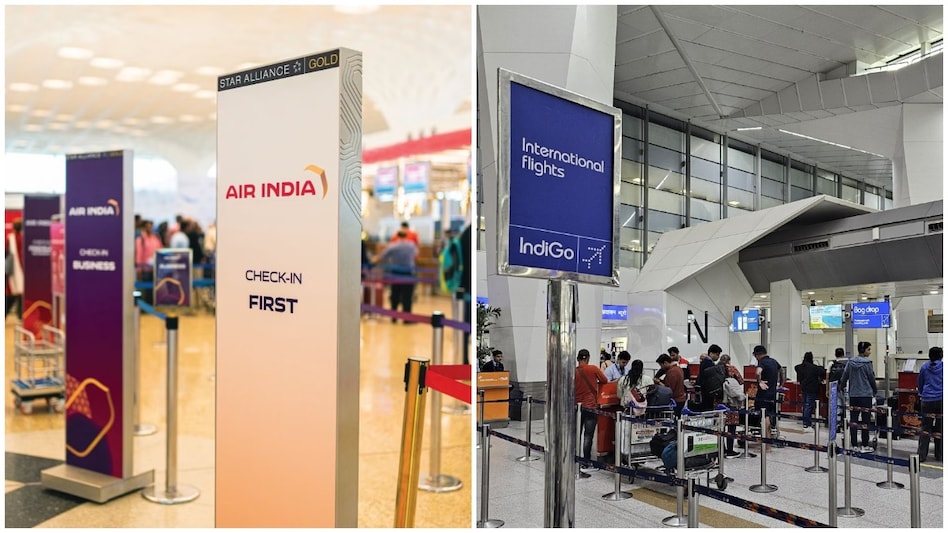
 Unlike airlines based in Europe or the Gulf, Indian carriers continue to operate under significant airspace disadvantages. Flights to Europe are longer, consume more fuel and require additional crew resources.
Speculation surged in April when IndiGo’s UK and Europe bookings abruptly went dark across ticketing platforms, sparking fears of an exit from long-haul routes due to mounting losses. The airline downplayed the development as a temporary pause for internal realignment before reopening seats.
That reprieve was short-lived.

 Noel Tata, Shapoorji Pallonji negotiate share swap for 18.4% Tata Sons holding: Report
 Sensex volatility spikes during CAS on F&O expiry day; here's what happened
 Nifty IT surges 3%: TCS, Infosys, LTM, HCLTech shares climb after Nvidia's strong results
 'Nothing’s Too Far': Tata Motors unifies all passenger vehicles under new TATA.CARS identity
 India plans to buy Javelin missiles from US: What makes the ‘fire-and-forget’ anti-tank weapon so lethal?
 Reasons Why Arvind Could Be A Big Winner In India’s Textile Sector
 “Analogue Paneer Isn’t Fake”: Sanjeev Kapoor On FSSAI Rules & What Consumers Must Know
 PSU Banks Vs Private Banks: Why Investors Are Betting Big On PSU Bank ETFs
 EV Insurance Explained: Battery Damage, Repairs & Insurance Coverage | Personal Finance
 Radhika Gupta On The Money Gap: Why Women Must Manage What They Earn
 Happiest Minds shares slip despite IT stocks surge; here's what is weighing on the stock
 BEL, Solar Industries shares remain Nuvama's top defence picks; here's what it said on BDL, Data Patterns, HAL
 Mid-cap IT stock jumps 20%; brokerage sees turnaround potential, here's what it said
 Ola shares rise 6% on S1Z launch with indigenous cell tech, claims 301 km per charge
 TTML shares soar 11% on strategic tie-up with Tata Comm to accelerate AI adoption
 Nepal faces years-long rebuild and $5 billion bill after devastating flash floods, says billionaire
  ‘What will happen to our country?’: K Annamalai slams Yash’s Toxic over portrayal of women, questions CBFC clearance
 Alternative assets aren’t always alternatives: Devina Mehra warns investors against ‘exotica’Happiest Minds shares slip despite IT stocks surge; here's what is weighing on the stockReasons Why Arvind Could Be A Big Winner In India’s Textile Sector












