

 The approval marks an important step towards establishing a domestic supply chain for critical battery materials.
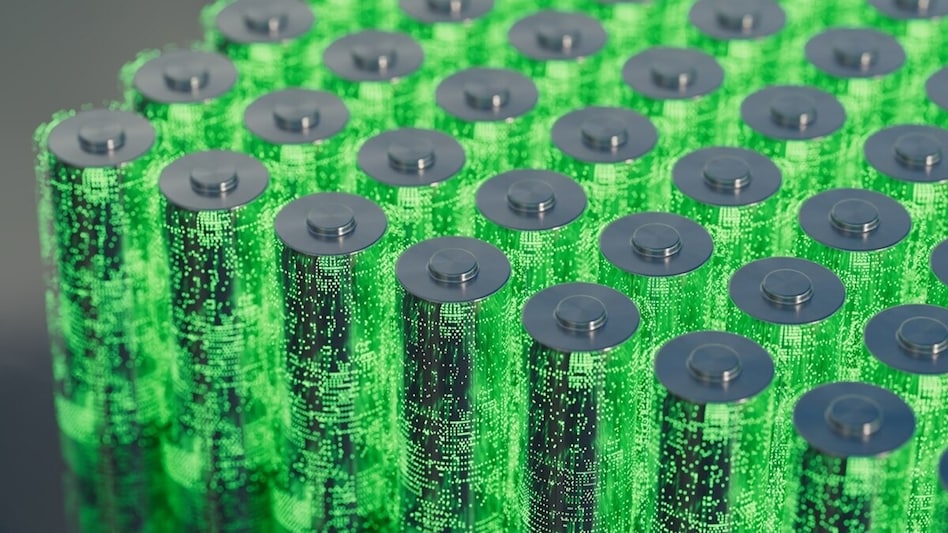
 Epsilon Advanced Materials has received approval for its anode material, a critical component of lithium-ion cells, under the Electronics Components Manufacturing Scheme (ECMS) of the Ministry of Electronics and Information Technology (MeitY).
The project has been approved for Rs 145 crore in capex support, equivalent to 25% of the project’s capital investment, under the scheme.
 Inflation heats up: Food prices rise, crude crosses $100; what it means for your wallet
 US could cut the 40-hour workweek to 32 hours: Here's what the new bill proposes
 Festive rush: Flight fares soar for domestic routes on Diwali weekend
 Jefferies sees CAS proposals easing uncertainty for brokers, exchanges; maintains 'BUY' on Groww, 'Underperform' on BSE
 'No good deed in govt goes unpunished': Ex-Telecom Secretary's memoir makes rare revelations on BSNL, 2G
 Why Crude Oil Prices Are Rising Again Now?
 Modi Xi Meet After 7 Years In India Signals Possible Reset In Bilateral Ties
 BRICS Summit 2026: India Secures New Delhi Declaration After Intense Negotiations
 BRICS Summit 2026: Modi’s Big Diplomatic Win As New Delhi Declaration Gets Backing
 Dario Amodei, Sam Altman, Elon Musk Back AI Slowdown Call Amid Growing Safety Concerns
 Varun Beverages shares slip 25% from 52-week high; more downside ahead?
 Uno Minda gets 'IND A1+' credit rating for commercial papers from India Ratings
  Karnataka Bank, Pondy Oxides, ITDC, Blue Dart among stocks to turn ex-dividend on September 15
 Stock market outlook: Crude oil prices, US Fed's policy decision among key factors to watch out for this week
 Raghav Productivity Enhancers' subsidiary bags patents for quartz processing
 Made-in-India cars are winning over Japan! Maruti powers nearly two-thirds of Suzuki's global productionInflation heats up: Food prices rise, crude crosses $100; what it means for your walletUS could cut the 40-hour workweek to 32 hours: Here's what the new bill proposesWhy Crude Oil Prices Are Rising Again Now?Modi Xi Meet After 7 Years In India Signals Possible Reset In Bilateral Ties












