

 India Inc to get 9.5 per cent salary hike this year
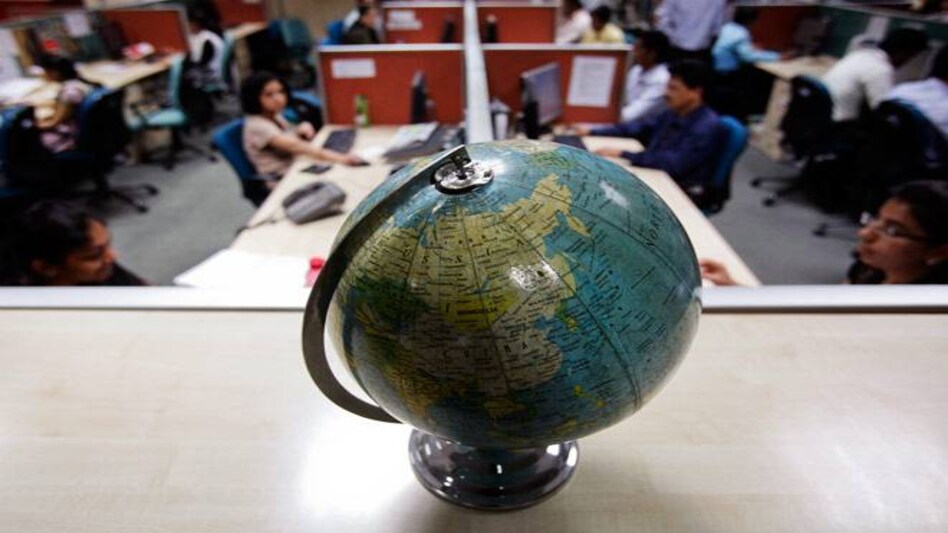
Employees in India are expected to get an average salary hike of just 9.5 per cent this year, lower than last year, while top performers will get lucrative hikes as companies are focusing on performance.
HR consultancy Aon Hewitt's annual Salary Increase survey projects a drop in pay increases to an average of 9.5 per cent across industries. It was 10.2 per cent in 2016. The gradual slowing of pay increases over the last few years (from 15.1 per cent in 2007 to the projected 9.5 per cent in 2017), and higher emphasis on performance indicated the "graying" of salary budgets for India.
 NSE becomes India's 10th most-valued firm, shares debut at Rs 1,800
 NSE share price target: Macquarie sees 10% upside on 'The Dominator', rates it 'Outperform'
 BT Big Story: Is 66% = zero? The Tata Sons question on everyone’s minds
  Max Financial, ICICI Pru Life, HDFC Life, SBI Life shares tumble up to 10%; here's why
 Tata Sons plans to hold its AGM within a month amid boardroom tussle: Report
 India Growth Outlook Gets Major Boost: S&P, Fitch, ADB Raise FY27 Forecasts; OECD Upgrades 2026 View
 A-One Steels IPO Explained: Key Details, Growth Strategy & Future Outlook | Management Live
 Market Commentary: Nifty Outlook, Stocks & Market Strategy | Deven Choksey
 Ignore Large Caps? Why Investors Are Chasing High P/E Mid Cap Stocks Now
 30 IPOs In A Month: Deven Choksey On IPO Flipping And Secondary Market Liquidity
 PB Fintech shares fall 20%; Bajaj Finance, L&T Finance also take hit; here's why
  NSE pips Sun Pharma, Titan Company, Adani Enterprises, Infosys in terms of market cap NSE becomes India's 10th most-valued firm, shares debut at Rs 1,800
 A-One Steels IPO opens today: Should you subscribe? Check price band, reviews, fresh GMP and more
 Sensex, Nifty fall sharply at open; here's what's weighing on market; NSE listing in focusPB Fintech shares fall 20%; Bajaj Finance, L&T Finance also take hit; here's why
  Meta unveils camera-free Ray-Ban smart glasses amid privacy concerns: All details NSE pips Sun Pharma, Titan Company, Adani Enterprises, Infosys in terms of market cap NSE becomes India's 10th most-valued firm, shares debut at Rs 1,800A-One Steels IPO opens today: Should you subscribe? Check price band, reviews, fresh GMP and more












