


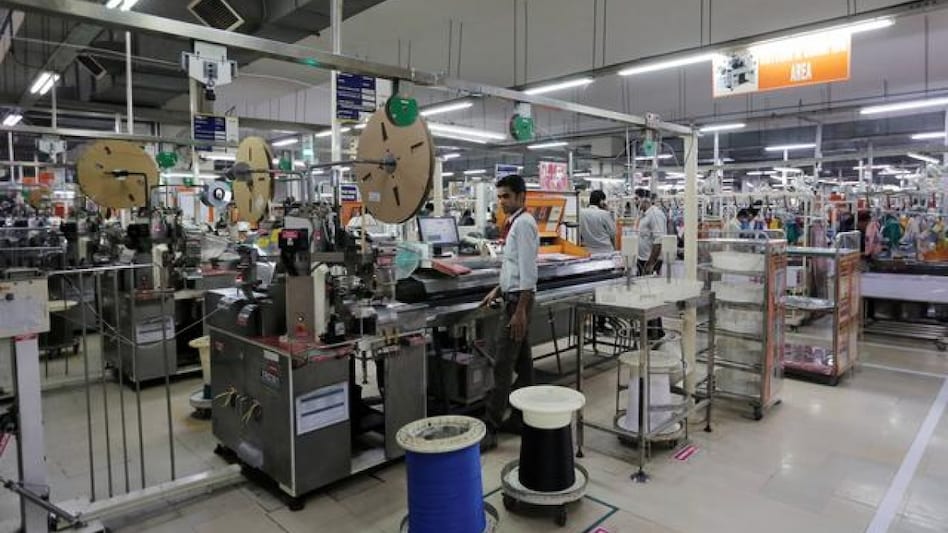
 Motherson Sumi Wiring India Ltd (MSWIL) reported a 34% year-on-year jump in its profit after tax.
Automobile ancillary major Motherson Sumi Wiring India Ltd (MSWIL) reported a 34 per cent year-on-year jump in its profit after tax (PAT) for the July-September quarter. In Q2FY24, the company’s PAT surged to Rs 156 crore, up 34% from Rs 116.6 crore in the year-ago period.
Its net sales grew 15 per cent over last year to Rs 2,092 crore from Rs 1,824 crore. This is the first time that MSWIL’s quarterly sales surpassed the Rs 2,000 crore-mark, while its earnings before interest, tax, depreciation & amortisation (EBITDA) increased 33 per cent YoY to Rs 253 crore.

 ₹8,862 crore in tolls! This state emerged as India's biggest highway toll revenue generator
 Could India witness a Korea-style market meltdown? Nithin Kamath explains the biggest risk
 How Indian investment overseas is gathering momentum
 Semicon 2.0, space, hydrogen trains: How manufacturing push is gaining pace, shows July's economic review
 To stay ahead, Indian manufacturers are embracing AI
 "RSS Controls Education, Dharmendra Pradhan Is Just A Symbol!": Rahul Gandhi’s Scathing Attack
 KOSPI Crash Explained | ₹152 Lakh Crore Gone, AI Stocks Under Massive Pressure
 PSU Stocks Outlook: Can Defence, Power & Industrial PSUs Deliver Strong Returns Ahead?
 "Normal Law & Order": JP Nadda Hits Back At Kharge Over Police Action On Student Protesters!
 Parliament's Most Viral Debate Yet? How Gen Z Language Entered Lok Sabha
 Could India witness a Korea-style market meltdown? Nithin Kamath explains the biggest risk
 Dabur India Q1 results: Profit up 15% at Rs 591 crore YoY; revenue climbs 11%
 FIIs could return to market in six months, says Ajay Bagga
  Sensex, Nifty climb over 1% each; investors add Rs 4 lakh crore in wealth
 Banks, IT, defence, power stocks likely to lead FY27 earnings upgrades, says Ajay Bagga
 China's 'Artificial Sun' just hit a major milestone: Could this change how the world gets electricity?
 TDS vs TCS: Two tax credits every taxpayer should understand
 Stuck at Sarai Kale Khan every day? NHAI begins work on a plan that could cut your travel time
 AI could boost India's productivity more than it cuts jobs, says Goldman Sachs"RSS Controls Education, Dharmendra Pradhan Is Just A Symbol!": Rahul Gandhi’s Scathing Attack










