


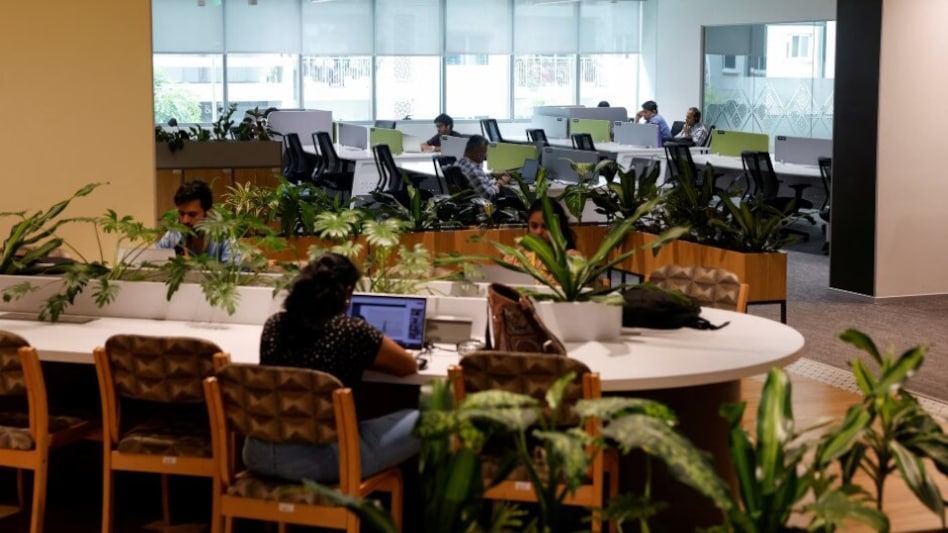
 The study highlights a sharp mismatch between awareness and action across corporate India.
 An unexpected hospital bill has become a bigger threat to corporate India than the sudden loss of a job, a new report shows, exposing severe vulnerabilities in how urban professionals plan for medical emergencies.
According to a study titled The Corporate Health Protection Pulse 2026, released by Tata AIG General Insurance Company on August 10, rising healthcare costs have surpassed job security, loan obligations, and global economic instability to become the primary financial concern for corporate employees.

 Clash with BRICS Leaders’ Summit: GST Council meeting likely to be rescheduled
 India targeting 50 launches a year. One organisation can't do it: Pawan Goenka amid ISRO staff unions' letter
 India becomes key diesel supplier to Europe via Bab-el-Mandeb
 Oman is becoming a new favourite among Indian tourists. Here’s why
 LIC weighs NSE IPO strategy: CEO says market conditions, valuation to decide final move
 How Couples Can Balance Shared Goals With Individual Dreams And Financial Needs
 FSSAI CEO On Misleading Food Ads, Brand Crackdowns And Pressure From Industry Lobby
 Couples & Tax Planning: How Smart Expense Planning Can Help Reduce Family Tax Outgo
 Mutual Fund Allocation: How Much Should Investors Allocate To Large, Mid & Small Cap Funds?
 LIC CEO On Sustaining Blockbuster Q1 Growth Amid Market Uncertainty
 APL Apollo, GNFC, Apar, Force Motors among stocks to turn ex-dividend next week; big payouts in focusLIC weighs NSE IPO strategy: CEO says market conditions, valuation to decide final move
 IHCL, LemonTree, Chalet among 5 hotel stocks to buy; analysts see up to 49% upside
 FCNR(B) windfall lifts NBFCs, small private banks: Why these stocks may be the bigger winners
 20 Asia-Pacific stocks with up to 145% upside: Full ‘Going For Glory’ list, no Indian stock included
 Centre sells 4,000 tonnes of buffer onions across 17 cities as onion prices remain elevated
 Jio at 10: Firm's ₹3,599 annual plan gets a major upgrade. Here’s what’s new How Couples Can Balance Shared Goals With Individual Dreams And Financial NeedsIndia targeting 50 launches a year. One organisation can't do it: Pawan Goenka amid ISRO staff unions' letterClash with BRICS Leaders’ Summit: GST Council meeting likely to be rescheduled












