


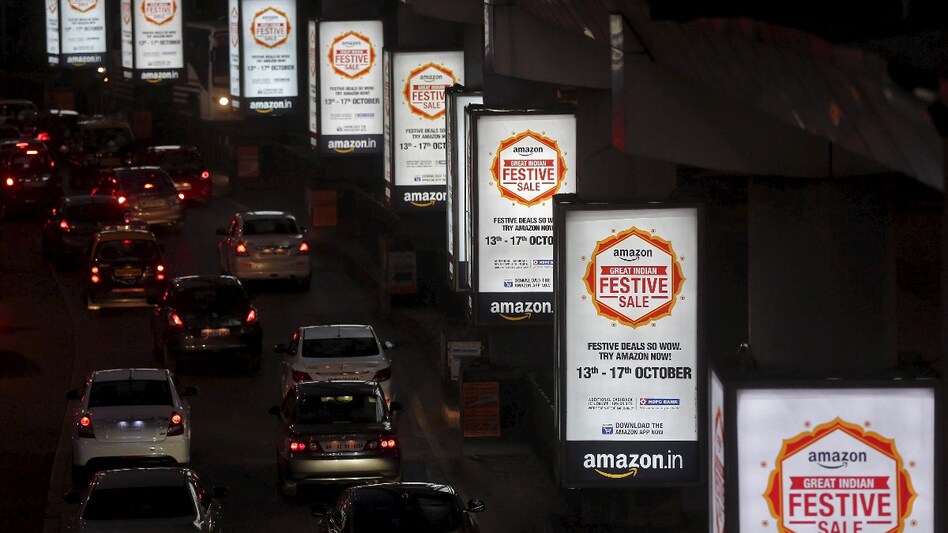
 FILE PHOTO: Traffic moves on a road past advertisements of Indian online marketplace Amazon, in Mumbai, India, October 15, 2015. Picture taken October 15, 2015. REUTERS/Shailesh Andrade
Concerns around furnishing self-declarations for advertisements are not about to die down anytime soon. The Supreme Court last month directed advertisers to certify that their ads do not contain any misleading content or claims.
Understandably, there is a lot of apprehension on what this means. The marketing head at a FMCG major thinks self-declaration comes right after several controversies especially around advertising relating to some of the companies in the foods and beverages space. “A lot of brands had to deal with the regulators and it is possible that self-declaration is a result of that.”

 100% tariffs immediately? What Trump’s new Russia sanctions law means for India
 Russian oil & gas purchase: Trump signs Bill into Act targeting 100% tariffs on India, China
 'Tatas today are the face of India...': Former Solicitor General Harish Salve backs Tata Sons public listing
  Trump’s announces Greenland deal with Denmark: What it means for US military presence
 Panic button: California governor issues order for mandatory kill switch on advanced rogue AI
 Health Insurance: Why Claim Settlement Ratio Is Not Enough When Choosing The Right Insurer
 “Unacceptable And Unprofessional”: MEA Rejects Pakistan’s Claims Over INS Kolkata Collision
  Commodity Trading For Beginners: How MCX & NCDEX Work | Trading Basics | Money Today
 US Fed Rate Hikes A Headwind For Foreign Flows? | Jibi Jacob | Jefferies
 ₹25 Billion FII Outflow: What Could Bring Foreign Investors Back? | Jefferies' Jibi Jacob
 Jindal Supreme, SS Retail, Hero Motors IPOs subscribed up to 181 times on final day; details here
 Sensex, Nifty post sixth weekly loss; TCS, Titan among top laggards, slip up to 4%
 How AI collapse could benefit Indian equity market; Jefferies' Christopher Wood explains
  Banks are no more secular growth story, prefer NBFCs: Chris Wood
 Jefferies' Christopher Wood sees gold at $10,000 'sooner or later'; likes India's small, midcaps
 LPG, CNG, PNG prices today (September 19): Check latest rates in Delhi, Mumbai, Kolkata, other cities
 Gold, silver prices on September 19: Check latest rates in Delhi, Mumbai, Kolkata, other cities
 Box office clash: 'Hanuman Ansh' nears ₹250 crore in India, 'Mirzapur: The Movie' eyes key milestone as new releases fail to impressHealth Insurance: Why Claim Settlement Ratio Is Not Enough When Choosing The Right Insurer
 'Fake news': Trump bans CNN, Politico, MS NOW from White House; press groups vow legal action












