


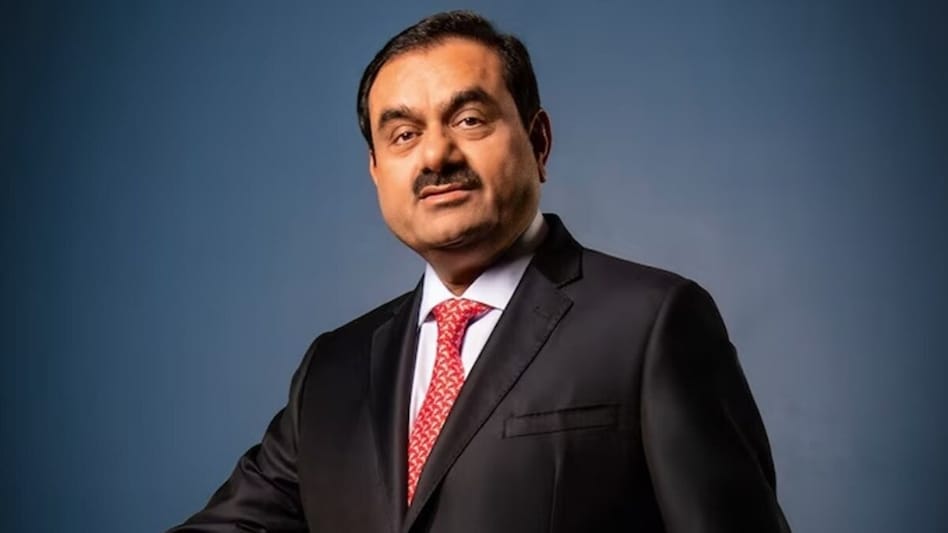
 Harvard professor, former SC chief justice, ex-SEC chair: Inside Adani's defence against US charges
It took 10 weeks, roughly 600 pages of legal filings, and a team of outside experts, including a Harvard law professor and a former Chief Justice of India’s Supreme Court, but the US Justice Department ultimately dismissed one of the year’s most high-profile corporate prosecutions involving Gautam Adani, according to a report by PTI. Newly unsealed court documents reveal a meticulously planned and executed legal counteroffensive that challenged both bribery and securities fraud allegations.
The case and allegations

 NSE IPO: Should you subscribe? Check price band, key details, fresh GMP, valuations & brokerage view
 BRICS Summit 2026: Chinese President Xi Jinping lands in Delhi; Modi-Xi bilateral talks today
 Xi lands in India: China Southern Airlines resumes Delhi-Guangzhou direct flights after 6 years
 BRICS Summit 2026: Malaysia, Ethiopia want stronger defence cooperation with India
 ‘No shortage of voices predicting the decline of BRICS…’: China calls for an efficient, pragmatic bloc
 BRICS 2026: South African President Cyril Ramaphosa Meets Gautam Adani
 Why Gen Z Chooses Experiences Over Traditional Financial Goals Like Homes And Cars
 PM Modi At BRICS Business Forum: From UPI To AI, India’s Innovation Story Goes Global
 PM Modi’s Thirukkural Diplomacy: Why He Gifted Putin A Russian Translation Of The Tamil Classic
 Commerce Minister Piyush Goyal: BRICS Exports Surge To Nearly $6 Trillion, Global Share Rises To 24%
 Silver may climb to Rs 3.25 lakh, but January peak looks distant: Navneet DamaniNSE IPO: Should you subscribe? Check price band, key details, fresh GMP, valuations & brokerage view
 Sebi’s Demat 2.0 lays groundwork for tokenising more regulated financial assets
 NSE IPO: Haven't applied for shares to trade on own platform, says MD and CEO Chauhan
 NSE's selling shareholders set to rake in bonanza amid a weak broader market
 'This business isn’t won on price alone': Anand Mahindra flags India’s medical tourism gap
 As India’s wealth grows, HNIs look beyond equity, debt and gold to alternative investments: ExpertBRICS Summit 2026: Malaysia, Ethiopia want stronger defence cooperation with India
 New E-Commerce Rules From 2027: What Changes For Online ShoppersBRICS 2026: South African President Cyril Ramaphosa Meets Gautam Adani












