















 India’s oil and gas sector has come under sharp focus as rising geopolitical tensions in West Asia trigger fresh concerns over crude oil prices, inflation, and fuel costs.
India’s oil and gas sector has come under sharp focus as rising geopolitical tensions in West Asia trigger fresh concerns over crude oil prices, inflation, and fuel costs. Amid the debate, Capitalmind Founder and CEO Deepak Shenoy questioned whether Indian consumers truly benefited during the years when global crude prices remained relatively subdued.
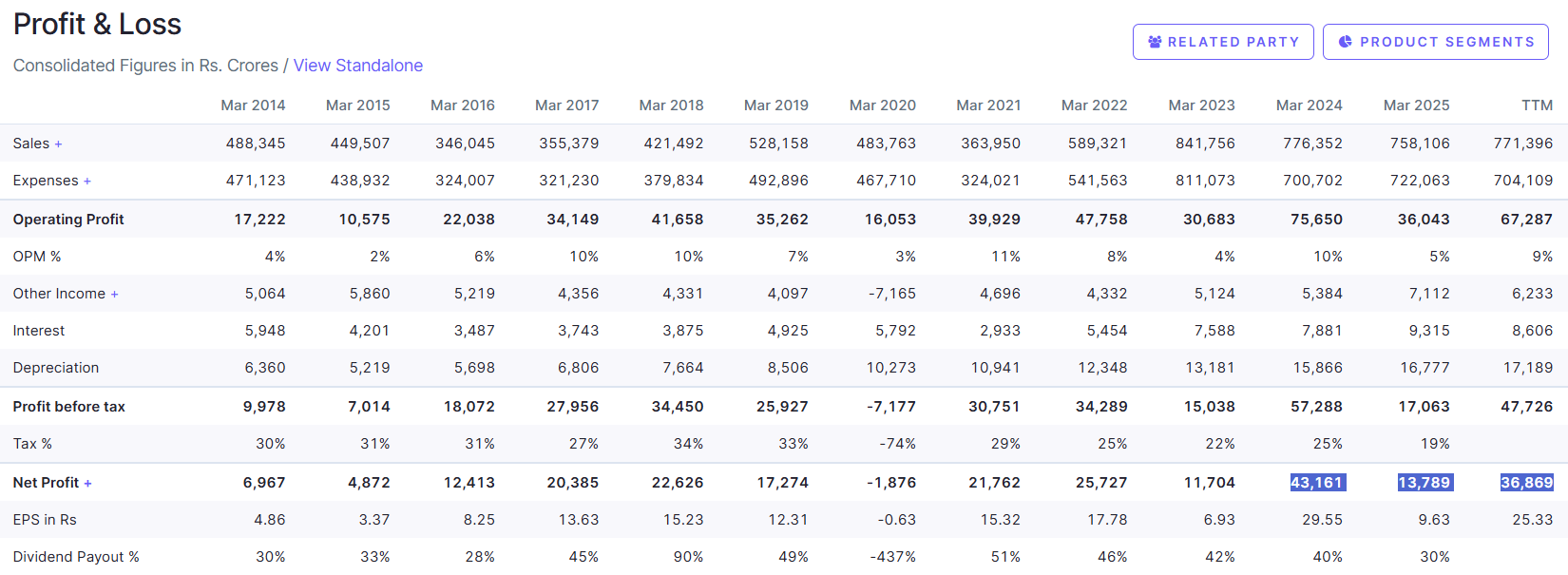
In a post on X, Shenoy said the last three years of lower crude prices did not significantly help Indian consumers because petrol prices largely remained elevated. “Who made money? The government and the oil companies,” he said, adding that India’s largest fuel retailer has reported collective profits of more than Rs 82,000 crore from FY24 till now.

 Google wants to build AI data centres in space: What Project Suncatcher's satellite test means
 ‘We’re not going to let you...’: JD Vance issues fresh H-1B warning to US companies
 Tata Sons boardroom tussle: The 4 clauses in AoA that could decide who runs the conglomerate
 BT Big Story: The price tag of UPI: Will small shops go back to cash?
 Trump-Xi meet: Warm words, sharp divide on AI as US-China moves into ‘superintelligence’ age
 Bakaiti 2, Hunkkaar, Shaque & More: OTT Movies & Shows To Watch This Weekend
 Meta’s New Gadgets: Camera-Free Glasses, VR Eyewear And AI Handheld Device Unveiled
  MDR Levy: Will Retail Trading Volumes Take A Hit? | NSE Chairman Srinivas Injeti
 NSE Lists At ₹1,800: Exclusive Post-Listing Interview With India's Largest Exchange
 From Mobile Trading To AI: How NSE Plans To Protect Market Integrity
 Ola Electric shares plunge 9%; board approval for proposed rights issue in focus
 Adani Power target: Strong earnings despite elevated capex! PL Capital says valuation to sustain
 Vascon Engineers shares zoom 14% on order win from Qualcomm India
  Sterlite Technologies shares rise 3% after fibre trunk assembly launch
 SBI Life, Max Fin, HDFC Life, LIC share price targets: IRDAI may need to revisit proposed cap, says SystematixTata Sons boardroom tussle: The 4 clauses in AoA that could decide who runs the conglomerate
 Amazon’s layoff plan takes a U-turn: Former employees are being recruited againBakaiti 2, Hunkkaar, Shaque & More: OTT Movies & Shows To Watch This Weekend
 Paying for train tickets via UPI? What train passengers paying over ₹2,000 need to know before bookingOla Electric shares plunge 9%; board approval for proposed rights issue in focus


