

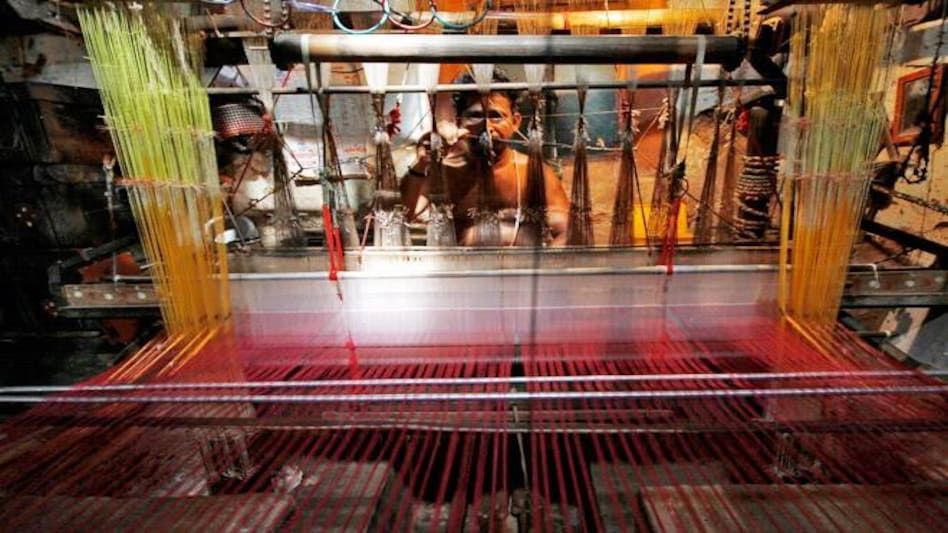
India must tread cautiously during negotiations for the proposed mega-pact RCEP against the backdrop of US-China trade war so as not to cede space to China in the global textiles and clothing sector, the Confederation of Indian Textile Industry (CITI) said Monday.
The textile industry body said that while the ongoing US-China trade war presents an opportunity to Indian textile manufacturers to enhance their exports to the US, the Regional Comprehensive Economic Partnership (RCEP) trade scenario reveals that India must tread cautiously, particularly with China, as half of India's textiles and clothing (T&C) trade in RCEP is with China.
 How Tax Bill is likely to bring support for more sectors
 Sensex, Nifty extend gains; investor wealth swells over Rs 11 lakh crore in four sessions, what's ahead?
 BT Explainer | Sebi's new market timings kick in: What has changed and why it matters
 World's most congested cities: Bengaluru, Pune, Mumbai among 8 Indian cities in global top 50
 New stock market timings from August 3: F&O trading extended till 3:40 pm
 Walsh Is Here To Wash Away IndiGo's December Fiasco?
 How To Build The Right Investment Portfolio In Today's Market | Aditya Pagaria
 MV Electrosystems' IPO Comes With A Strong Order Book And Growth Plans
 "India Grew 7.7%": CEA V Anantha Nageswaran Hails India’s Economic Resilience
 Rainbow Children's Q1 Revenue Grows 33%; Eyes Mumbai Entry, Expands Andhra Footprint
 Sensex, Nifty extend gains; investor wealth swells over Rs 11 lakh crore in four sessions, what's ahead?
 IRCTC, Titagarh, Ircon, Texmaco Rail: Railway stocks rise up to 5% on border rail upgrade plan BT Explainer | Sebi's new market timings kick in: What has changed and why it matters
 BTTV Exclusive| Park Mediworld: Bed expansion, specialty mix and CGHS revision fuel growth
 L&T shares may rally further; key breakout level could decide next move
 EPF wage ceiling hike to ₹25,000 set to bring millions under pension net. What it means
 iPhone 18 Pro launch date; When Apple will host awaited fall launch event?
 Data breach costs for Indian firms hit record ₹25.5 crore as AI-driven cyber threats surge
  Prashant Kishor stuns BJP in Bankipur. But the bigger loser may be Tejashwi Yadav
 Urban Company Reported Strong NTV Growth In India, Overseas










