

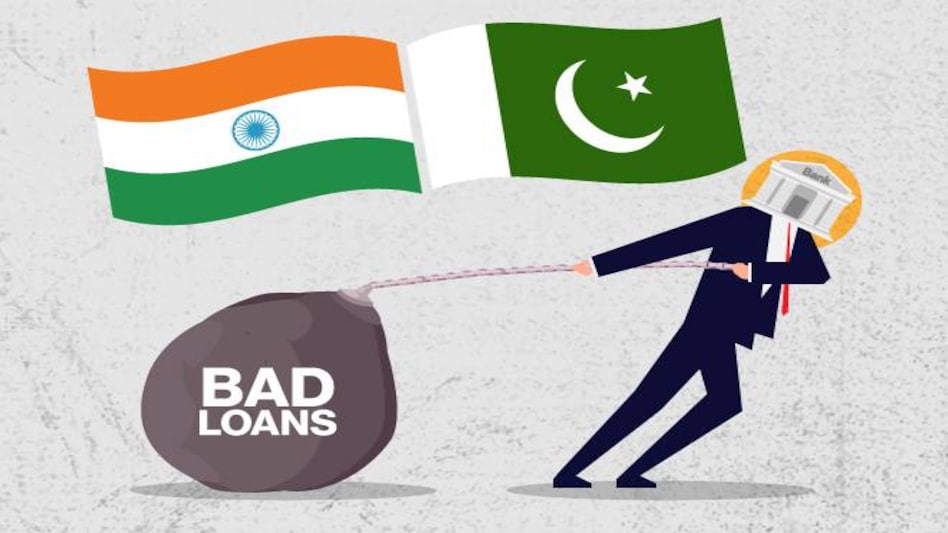
 Indian banks have been sitting on bad loans of Rs 9.4 lakh crore (as on March 31, 2019)
The issue of non-performing assets (NPAs) in the Pakistani banking sector has become the subject of much discussion and scrutiny. According to a data released by the State Bank of Pakistan (SBP), the non-performing loans (NPLs) of banking sector rose over 23 per cent during 2018-19, amid persistent slowdown in the economy, tightening of macroeconomic conditions and limited cash flow of the corporate entities.
The SBP on Monday said that the NPLs in banking increased 23.2 per cent to Rs 76,800 crore by June end this year, from Rs 62,360 crore in the last fiscal year, Pakistan leading daily DAWN reported. The rise in bad loans was attributed to energy and sugar sectors, as they together accounted for more than 50 per cent of the rise.
 What’s on IndiGo CEO Willie Walsh’s table?
  Worried about interest rate hike? Here's why the RBI MPC may leave the repo rate unchanged this time
  TVS Motor achieves highest-ever EV sales in July at 55,480 units
 Five AI mistakes companies can't afford to make
 RBI MPC meeting begins today: Repo rate pause likely as inflation, crude oil risks keep policymakers cautious
 Why Stopping Your SIP Early Could Hurt Long-Term Wealth Creation | Goal-Based Investing Explained
 Why Are I.T. Stocks Returning To PMS Portfolios? Expert Explains The Value Opportunity
 Buying Term Insurance? Never Hide These Health Details Or Risk Your Claim Being Rejected
 India’s Logistics Game Is Changing: The Big Infra Push Explained
 Active Vs Passive Mutual Funds: Which Gives Better Returns For SIP Investors?
 Closing auction session: Key features, how it may address higher end-of-day volatility
 16x rally in 5 yrs! multibagger defence stock down 30% from peak; analysts see 45% upside
 Thangamayil Jewellery shares crack nearly 31% in four sessions; buy the dip or avoid?
 ITC share price: High DII stake but stock near 52-week low; trading strategy post Q1 earnings
  Urban Company shares zoom nearly 18% after Q1 results; should you chase the rally?
 Brij Bhushan Singh acquitted in sexual harassment case filed by six women wrestlers after three yearsClosing auction session: Key features, how it may address higher end-of-day volatility16x rally in 5 yrs! multibagger defence stock down 30% from peak; analysts see 45% upsideThangamayil Jewellery shares crack nearly 31% in four sessions; buy the dip or avoid?
 Bad news for BJP: Prashant Kishor widens lead in Bankipur bypoll










