


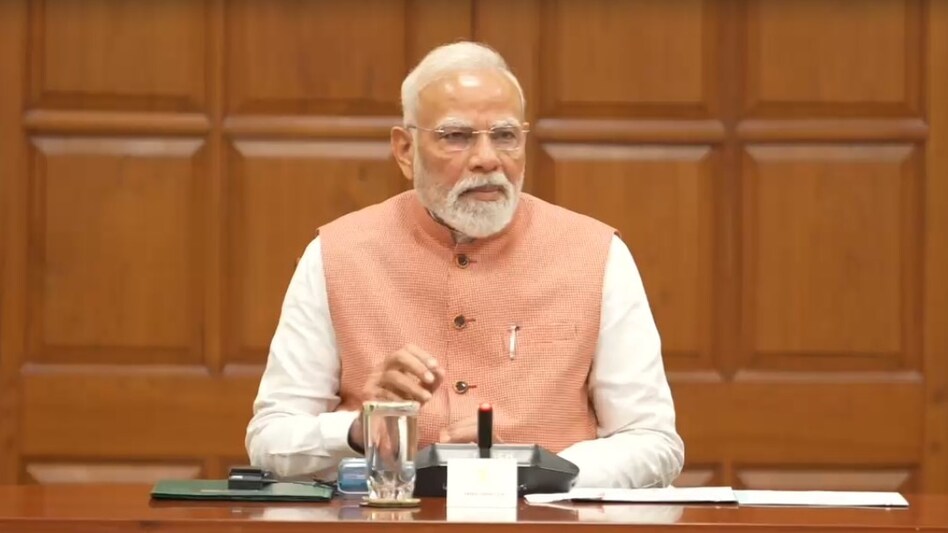
 Experts have urged the government to simplify regulations, reduce red tape for credible businesses, and strengthen banking reforms to ensure smoother credit flow.
Prime Minister Narendra Modi held a high-level consultation with leading economists and senior secretaries on August 18, where the agenda revolved around boosting growth, creating jobs, and enabling small businesses to scale up, sources have told Business Today.
According to people familiar with the discussions, experts recommended a fresh wave of liberalisation to attract investment and drive competitiveness. They urged the government to simplify regulations, reduce red tape for credible businesses, and strengthen banking reforms to ensure smoother credit flow.

 Tata power play: Chandrasekaran family's TVS ties emerge after Venu Srinivasan backs his third term
 BT Big Story: Why India Inc is warming up to non-English-speaking executives
  Govt may consider auto PLI applications from firms with Chinese investments: Report
 G20 Summit: PM Modi expected to travel to US; bilateral with Trump likely on the cards, say sources
 SS Retail, Jindal Supreme make solid stock market debut; Hero Motors disappoints with a weak listing
 Supreme Court On Medicine Prices: ₹27,000 MRP For ₹2,700 Drug | ‘Extortion’, ‘Daylight Dacoity’
 Macro Volatility Vs Earnings: Why Earnings Matter More Than Valuations | Anshul Saigal
 India’s CDMO Opportunity: Anshul Saigal Spots Underappreciated Names
 IT Stocks Under Pressure: What Next For Indian Markets? | Chakri Lokapriya
 Karnataka’s Welfare Schemes Under Pressure As Finance Department Flags New Challenges
 Oswal Pumps shares jump 8% bags Rs 297 crore solar project in Telangana
  ArMee Infotech IPO opens today: Should you subscribe? Check price band, reviews, latest GMP & more
 PC Jeweller shares jump 9% to hit 52-week high; stock gains 83% in six months
 Ola Electric shares jump over 12% today; what analysts saySS Retail, Jindal Supreme make solid stock market debut; Hero Motors disappoints with a weak listingSupreme Court On Medicine Prices: ₹27,000 MRP For ₹2,700 Drug | ‘Extortion’, ‘Daylight Dacoity’
 'CNN, MS NOW, Politico can enter White House if...': Donald Trump hints at possible ban removalOswal Pumps shares jump 8% bags Rs 297 crore solar project in Telangana Tata power play: Chandrasekaran family's TVS ties emerge after Venu Srinivasan backs his third term
 Beware: Amazon, Flipkart festive sale scams could get smarter with AI shopping tools; All you need to know












