


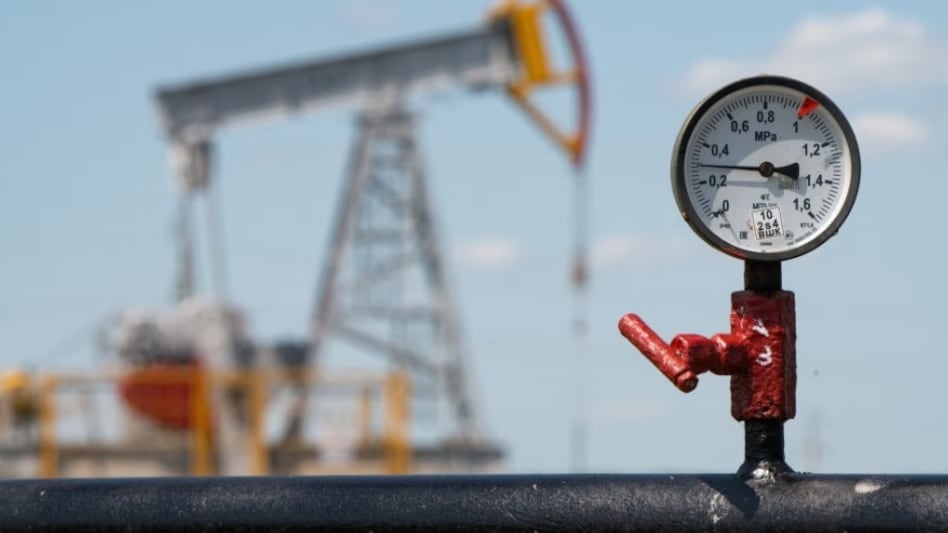
 Elevated crude prices are also expected to weigh on corporate profitability, particularly for downstream oil companies.
India’s fiscal outlook for FY2027 is set to face fresh pressure as the ongoing West Asia conflict drives a sharp spike in global crude oil and natural gas prices, complicating the government’s budget calculations despite existing buffers, according to an ICRA report.
The report cautions that even if tensions ease soon, energy prices are likely to remain above budgeted assumptions, posing risks to subsidy outgo and revenue streams.

 JSW Infrastructure shares hit record high; stock up over 50% in six months
 GRSE shares rise 4% as board approves Rs 2,896 crore for shipyard expansion
 OpenAI warns of autonomous AI risks, calls for global rules before AI starts improving itself
 Most expensive residential unit: All about Dinesh Thakkar who bought ₹711 crore Juhu tower
 Meesho shares: Fresh price target signals 24% upside as UBS raises growth estimates
  Varmora Granito IPO: Management On ₹245 Crore Debt Reduction & Growth Plans
 Tier-2 Cities Drive India’s Next Realty Boom | ₹1.7 Tn Opportunity Explained
 Delhi SIR: 47.5 Lakh Names Off Draft Roll, 33 Lakh Voters Flagged For Discrepancies
 Vande Mataram Row Escalates In Karnataka Assembly As BJP, Congress Clash Over Rendition
 R Veeramani POCSO Case Widens: Multiple Survivors Traced | India Today Investigation
 Protean eGov shares extend gains; here's what analysts say
 ITC Hotels shares: Jefferies sees 32% upside; stock down 19% in 2026 so far GRSE shares rise 4% as board approves Rs 2,896 crore for shipyard expansion
 Transrail Lighting shares jump nearly 15%; here's whyMeesho shares: Fresh price target signals 24% upside as UBS raises growth estimates
  Apple Pay vs GPay and PhonePe: What could change for iPhone usersProtean eGov shares extend gains; here's what analysts sayITC Hotels shares: Jefferies sees 32% upside; stock down 19% in 2026 so far
  NPS Swasthya premium depends on your age: Check the three entry-age slabsMost expensive residential unit: All about Dinesh Thakkar who bought ₹711 crore Juhu tower












