


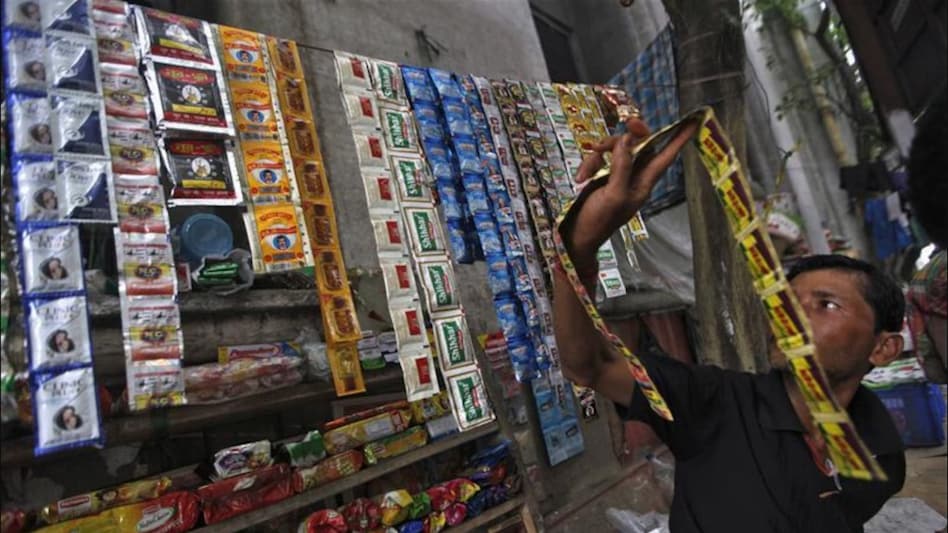
 FSSAI proposed that pan masala products could alternatively be packed in “tin or glass containers"
The Food Safety and Standards Authority of India (FSSAI) has proposed stricter packaging rules for pan masala products, seeking to prohibit the use of plastic and multilayer packaging materials commonly used in sachet packs sold across India.
In a draft notification issued on April 28, 2026, the food regulator proposed amendments to the Food Safety and Standards (Packaging) Regulations, 2018, stating, “Pan Masala shall be packed only in paper or paper board or cellulose based materials or other materials derived from naturally occurring substances free from plastic material.”
The draft notification further said pan masala packaging material should be “free from plastic such as polyethylene, polypropylene, polyester, poly vinyl chloride and other plastic materials or any other synthetic polymers or laminates.”

 SEBI proposes new expiry-day settlement formula for derivatives after CAS concerns
 BRICS Summit 2026: Malaysia, Ethiopia want stronger defence cooperation with India
 SEBI proposes bringing unexecuted Iceberg orders into closing auction
 'This business isn’t won on price alone': Anand Mahindra flags India’s medical tourism gap
 'How shall we go?': Dhaka says Tarique Rahman not invited for BRICS Summit, puts 100+ bilateral agreements under review
 Gen Z Portfolio Guide: How To Balance Emergency Funds, Investments And Future Financial Security
 U.P CM Yogi Adityanath Says Youth Still Read Books, Need Better Access In Digital Age
 BRICS 2026: South African President Cyril Ramaphosa Meets Gautam Adani
 Why Gen Z Chooses Experiences Over Traditional Financial Goals Like Homes And Cars
 PM Modi At BRICS Business Forum: From UPI To AI, India’s Innovation Story Goes Global
 SEBI proposes bringing unexecuted Iceberg orders into closing auctionSEBI proposes new expiry-day settlement formula for derivatives after CAS concerns
 Silver may climb to Rs 3.25 lakh, but January peak looks distant: Navneet Damani
 NSE IPO: Should you subscribe? Check price band, key details, fresh GMP, valuations & brokerage view
 Sebi’s Demat 2.0 lays groundwork for tokenising more regulated financial assetsGen Z Portfolio Guide: How To Balance Emergency Funds, Investments And Future Financial SecuritySEBI proposes bringing unexecuted Iceberg orders into closing auction
 BRICS Summit 2026: Third Southeast Asian country eyes BrahMos missile dealU.P CM Yogi Adityanath Says Youth Still Read Books, Need Better Access In Digital Age
 PM Modi Meets Abu Dhabi Crown Prince Sheikh Khaled On BRICS Summit Sidelines In Delhi












