


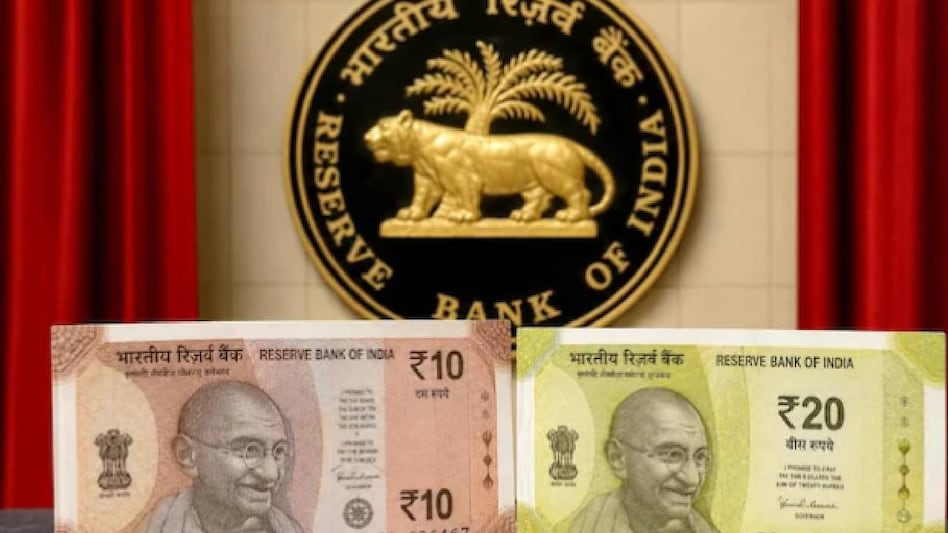
 Polymer notes approved for field trials in India — but paper currency isn't going anywhere
India is moving towards polymer banknotes. The government has approved a Reserve Bank of India proposal to introduce one billion pieces each of ₹10 and ₹20 polymer banknotes, first for field trials, and then for regular issuance if those trials succeed.
The approval was confirmed by Minister of State for Finance Pankaj Chaudhary in a written reply to questions raised in the Lok Sabha.

 Can Reliance help bring Venezuelan oil back to market? Rubio says talks scheduled for Wednesday
 Strait of Hormuz could become ‘redundant’ in the next five years: HSBC Group CEO
 Marco Rubio reveals what Russia wants to end the Ukraine war: All of Donetsk
 Sona BLW, Solar Industries, Oracle, Aurobindo Pharma, CG Power: Midcap performers of 2026, price targets and more
  Tonbo vs Bonfiglioli vs Zetwerk vs Sahajanand IPO: Which issue offers best allotment odds; fresh GMP
  Starlink Vs India: Is Elon Musk Being Blocked? | Tech Today
 RBI Measures Boost Rupee | Is Further Depreciation Unlikely?
 More RBI Rate Hikes Ahead? PPFAS Mutual Fund CIO Shares His Outlook
 Retirement Planning: How a ₹10,000 Monthly SIP Can Grow to ₹1 Crore in 20 Years
 Volkswagen On CNG Cars, JSW Partnership And India's Auto Market Outlook
 Sona BLW, Solar Industries, Oracle, Aurobindo Pharma, CG Power: Midcap performers of 2026, price targets and more
  Jio Platforms IPO: From 14th spot to telecom leader, how Jio transformed India’s digital landscapeTonbo vs Bonfiglioli vs Zetwerk vs Sahajanand IPO: Which issue offers best allotment odds; fresh GMP
  ‘It’s crazy that even in 2026…’: Nithin Kamath in disbelief over WhatsApp-driven stock manipulation
 Jio IPO: Overseas expansion to unlock new revenue streams through telecom technology
 WPL 2027 auction: 146 players; Including Sophia Dunkley, Sneh Rana in race for 27 slotsCan Reliance help bring Venezuelan oil back to market? Rubio says talks scheduled for Wednesday
 US EB-5 visa investment threshold to rise in 2027: How it will affect IndiansMarco Rubio reveals what Russia wants to end the Ukraine war: All of Donetsk
 WATCH: Zohran Mamdani joins Navratri celebrations in New York, seeks priest's blessings












