


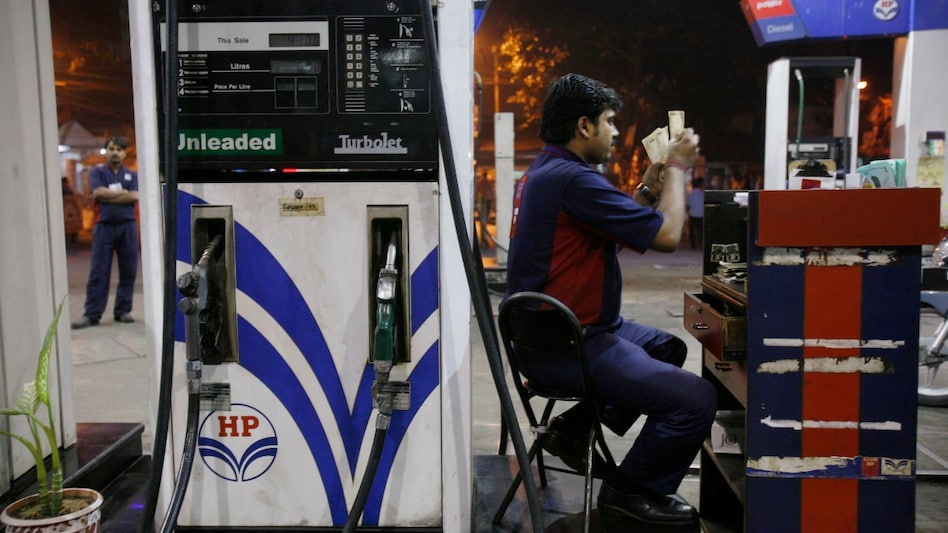
 Experts say higher fuel prices could increase freight and logistics costs, eventually affecting prices across industries. (photo: REUTERS/Parth Sanyal)
India’s first petrol and diesel price increase in more than four years is expected to trigger broader economic effects, with analysts warning that rising fuel costs could gradually impact household budgets, inflation and demand across multiple sectors. The move comes as surging global crude oil prices, driven by the escalating West Asia conflict and disruptions around the Strait of Hormuz, begin filtering into India’s domestic economy.
On Friday, state-run oil marketing companies (OMCs) raised petrol and diesel prices by around ₹3 per litre after holding rates steady for weeks despite increasing cost pressures. Reports indicate that fuel retailers had been absorbing mounting losses for nearly ten weeks while global energy prices climbed.

 GLP-1 drugs are under fresh scrutiny over rare condition; here's what's happening
 IRDAI’s insurance distribution reforms: What changes for insurers, brokers, customers
 SBI announces ATM charge waiver during bank strike; UPI, NEFT, RTGS services to continue
 This is not a tax, cess, surcharge...: FM Sitharaman explains what the new UPI MDR really means
 BT Big Story: The price tag of UPI: Will small shops go back to cash?
 Demand Robust Across Segments | Production To Ramp Up, Exports To Expand: Vivek Srivatsa
 GST Council To Meet On October 7: Invoice Matching, ITC & UPI MDR Tax In Focus
 Tata Chip Plans Stay On Track Despite Boardroom Rift; Dholera Fab Investment Unaffected
 GLP-1 Drugs Face Eye Safety Concerns: Will Fresh Scrutiny Impact India's Growing Market?
 Inside Tata’s Biggest Boardroom Battle: Noel Tata Vs N Chandrasekaran Explained | Hitesh Jain
 IPO rush: Four IPOs conclude today; check subscription status, other details of issues still open
 Meesho shares slip 7% as Nomura assigns 'reduce' call; here's what the brokerage says
  Sensex, Nifty extend losing streak to seventh week, longest since 2020: What's next?
 Suzlon in bear grip: Oversold signals emerge near 52-week low for the stock
  EIL shares jump 7% to hit record high; stock up nearly 62% in six months: What's driving the rise?
 Odisha Clears ₹22,634 Crore AI Project | SentraForge AI’s Big Infrastructure Bet
 Government to borrow ₹7.86 lakh cr in H2 FY27; Sovereign Green Bonds to raise ₹15,000 cr
 Mumbai prime home prices rise 6.2% in Q2 2026, ranks 8th globally: Knight Frank
 Heavy industries ministry earmarks ₹780 crore to upgrade automotive testing infrastructure
 India is going deeper into smartphone manufacturing, beyond final assembly: Ashwini Vaishnaw












