


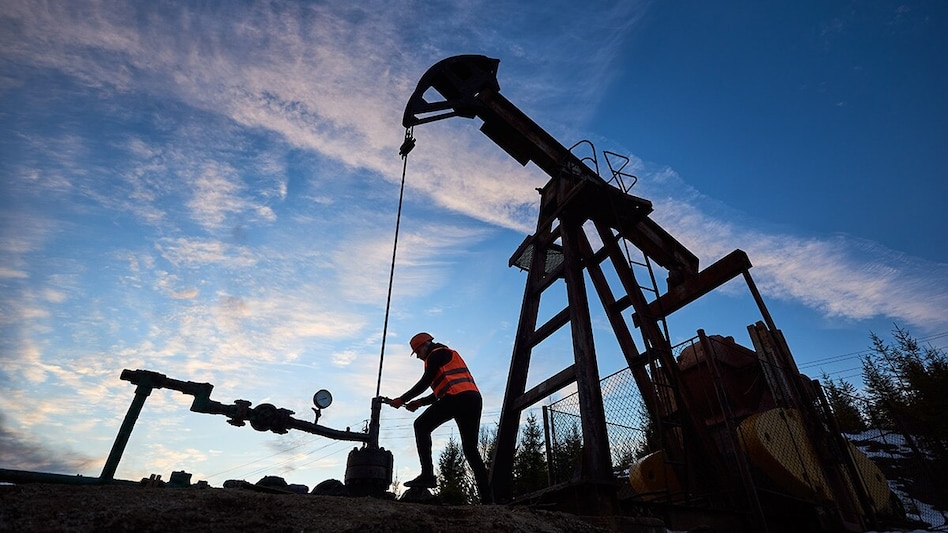
 The decline followed remarks by US Treasury Secretary Scott Bessent, who said Washington and Tehran could announce an agreement
 Crude oil prices slipped below the $80-a-barrel mark as optimism grew among investors that the United States and Iran may soon strike a diplomatic agreement.
Brent crude, the global benchmark, dropped 4.5% to $79.96 per barrel, moving below the key $80 level.

 Capital formation, exports fuel 7.8% Q1 GDP growth
 GRT Jewellers to acquire 74.12% stake in Tribhovandas Bhimji Zaveri for Rs 1,033.71 crore
 India braves global headwinds: Q1GDP surges 7.8% as investment and services fire on all cylinders
  Kotak Bank recommends two internal candidates for CEO post: Report
 'Doomsayers were doomed, India bloomed': PM Modi as GDP growth jumps to 7.8% in Q1 FY27
 Nepal Flood Horror: Children Found Alive After Days Under Debris, Hope Emerges From Devastation
 India’s 6% Growth Trap: Why Manufacturing Still Struggles To Beat China
 India GDP Growth At 7.8%: Is India’s Growth Story Getting Stronger? | Top Economists Decode
 Midcap Fund Strategy: Where WhiteOak Capital Sees The Biggest Opportunities
 Adani Stocks Fall Sharply: What’s Behind The Sell-Off?
 Priority Jewels IPO subscribed 21.23 times on Day 2; check latest GMP, other key details
 Ola Electric shares jump 5%; still down 34% in a year; what's ahead?
 Sensex falls 307 points, Nifty settles below 24,100; what happened today
 Market veteran Ajay Bagga on top sectoral picks; impact of oil prices, monsoon on economy
  Nifty Bank jumps over 600 points in last five minutes; CAS in focusNepal Flood Horror: Children Found Alive After Days Under Debris, Hope Emerges From DevastationIndia’s 6% Growth Trap: Why Manufacturing Still Struggles To Beat ChinaGRT Jewellers to acquire 74.12% stake in Tribhovandas Bhimji Zaveri for Rs 1,033.71 crore
 India GDP Growth At 7.8%: Services, Consumption & Investment Drive Q1 GrowthCapital formation, exports fuel 7.8% Q1 GDP growth












