


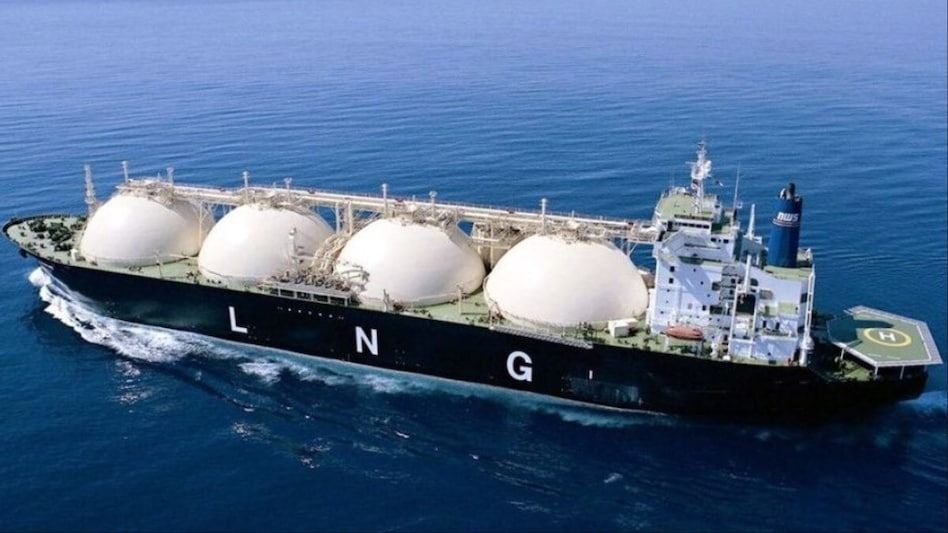
 Vessel tracking data from S&P Global Energy shows that the combined 10-day moving average of laden LNG transits through the strait fell from roughly 0.8 cargoes per day in late June to just 0.2 cargoes per day by July 15.
Renewed escalation in the US-Iran conflict is sharply reducing LNG exports from the Persian Gulf, reversing the brief recovery that followed the June 17 agreement intended to facilitate commercial transit through the Strait of Hormuz, according to new analysis from S&P Global Energy.
India is rerouting crude oil and LNG imports via the UAE and Oman to bypass rising risks in the Strait of Hormuz, said media reports. Iran has reportedly warned that if its own oil exports remain blocked, it could target alternative export routes, including the Fujairah pipeline and Saudi Arabia's East-West pipeline.

 Gold derivatives market crosses ₹2.2 lakh crore daily turnover: What’s driving the growth?
 Pentagon faces $1.3 billion blow as Iran war wipes out 25% of US Reaper drone fleet: Report
 AI boom's hidden bill: Big Tech's spending hits $165 billion as free cash flow shrinks
 ‘India is well on our radar’: Trump aide Peter Navarro on White House’s transshipment report
 'They are very bright youngsters': SC quashes FIRs against Samay Raina, 4 others over disability remarks
 Market Strategy: Sunny Agrawal On What Investors Should Watch Next
 BTTV OTT Friday Watchlist: Cocktail 2, Reacher 4 & More New Releases To Watch!
 Indian Consumers Don’t Just Look At Price; They Look At Value, Says Google's Mitul Shah
 Yogi Adityanath Says Modi & Patel Could Have Prevented India’s Disintegration At Independence
 Bharatiya Vyapar Mahotsav: Godfrey Phillips’ Samir Modi On Opportunities For Young Entrepreneurs
 Your portfolio may be full of ‘zombie stocks’: How to identify and exit them
 Shiprocket IPO Day 3: Issue subscribed nearly 100 times, fetches bids worth Rs 9,104 crore
 Headwinds faced in 2024 are now tailwinds, says this mutual fund CEO, sees FIIs returning to India
 Coforge, Persistent, Tech Mahindra, TCS shares: Choice picks top IT stocks; check targets
 Bharat Dynamics Q1 earnings: Net profit jumps six-fold, revenue at Rs 572 crore
  Why the Finance Ministry wants to give homegrown firms a bigger role in consultancy contracts
 Delhi Metro to run from 4 am on Independence Day—here is what ordinary passengers and invitees must know
 Reliance-Rolls-Royce AMCA Engine deal: What the proposed aerospace gas turbine complex will do
 Major aerospace deal: Reliance & Rolls-Royce partner to power India's next-gen AMCA fighter jetYour portfolio may be full of ‘zombie stocks’: How to identify and exit them












