


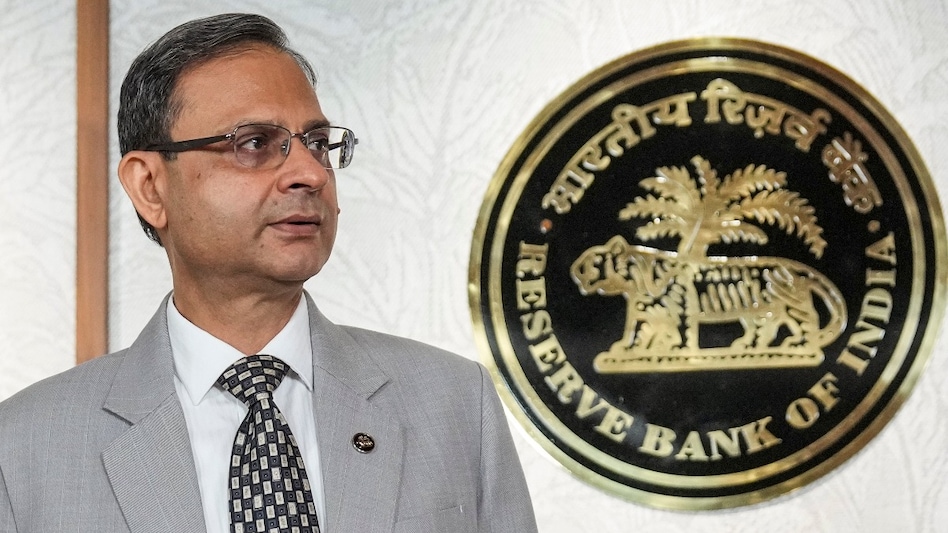
 No clear path to rate hikes: RBI Governor Sanjay Malhotra pushes back on bets
Reserve Bank of India Governor Sanjay Malhotra has sought to temper expectations that interest rates are headed higher, arguing that the central bank would have adopted a restrictive stance had an increase been the clear next step.
“If it was so certain that we are going to hike in the coming months, then we would have changed the stance from neutral to restrictive, right? We did not do that,” Malhotra said in an interview with ET Now on Wednesday. “We did not do that precisely because there is elevated uncertainty.”

 One-fourth of cars sold by Tata Motors Passenger Vehicles are now EVs
 IRDAI’s insurance distribution reforms: What changes for insurers, brokers, customers
 SBI announces ATM charge waiver during bank strike; UPI, NEFT, RTGS services to continue
 This is not a tax, cess, surcharge...: FM Sitharaman explains what the new UPI MDR really means
 Five-day banking week never up for negotiation, say govt sources
 Demand Robust Across Segments | Production To Ramp Up, Exports To Expand: Vivek Srivatsa
 GST Council To Meet On October 7: Invoice Matching, ITC & UPI MDR Tax In Focus
 Tata Chip Plans Stay On Track Despite Boardroom Rift; Dholera Fab Investment Unaffected
 GLP-1 Drugs Face Eye Safety Concerns: Will Fresh Scrutiny Impact India's Growing Market?
 Inside Tata’s Biggest Boardroom Battle: Noel Tata Vs N Chandrasekaran Explained | Hitesh Jain
 IPO rush: Four IPOs conclude today; check subscription status, other details of issues still open
 Meesho shares slip 7% as Nomura assigns 'reduce' call; here's what the brokerage says
  Sensex, Nifty extend losing streak to seventh week, longest since 2020: What's next?
 Suzlon in bear grip: Oversold signals emerge near 52-week low for the stock
  EIL shares jump 7% to hit record high; stock up nearly 62% in six months: What's driving the rise?SBI announces ATM charge waiver during bank strike; UPI, NEFT, RTGS services to continue
 Congress protests against CEC Gyanesh Kumar spread across India; Gaurav Gogoi detained in Guwahati
 Tata Sons boardroom dispute: Why Tata Trusts and the group are at oddsOne-fourth of cars sold by Tata Motors Passenger Vehicles are now EVs
 IRDAI’s proposed distribution overhaul: Insurance sector may see major reset; could force distributors rework business models, innovate, say analysts












