


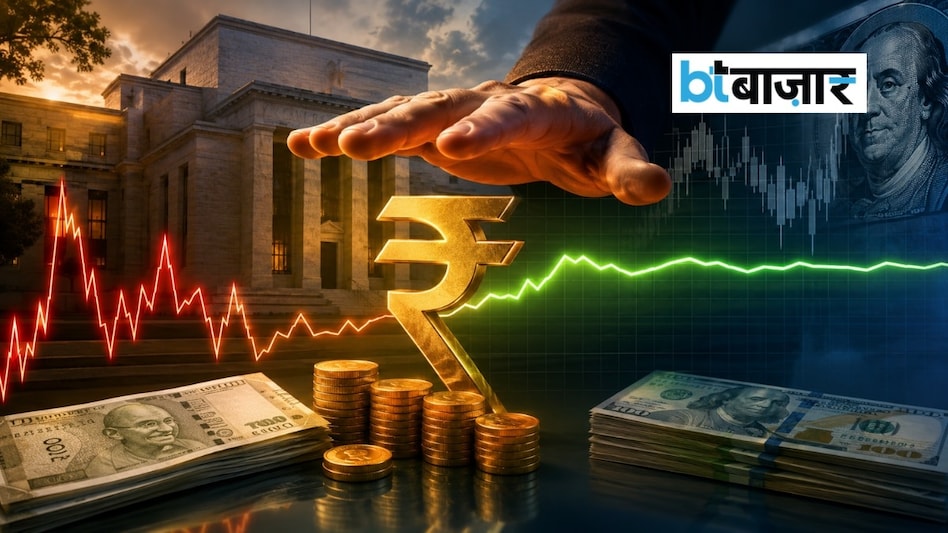
 The broader USD-INR forex swap facility covered FCNR(B) deposits, External Commercial Borrowings (ECBs) and Overseas Foreign Currency Borrowings (OFCBs).
The Reserve Bank of India (RBI) has decided to bring forward the closure of its special forex swap facility for Foreign Currency Non-Resident (Bank), or FCNR(B), deposits after the scheme attracted $52.3 billion in foreign exchange inflows.
The central bank said on Friday that the facility will now be available for FCNR(B) deposits mobilised only until August 31, 2026. However, swaps against these deposits can continue to be availed from the RBI until September 11, 2026.

 'Volatile Trump may misinterpret it': Ex-diplomat on whether BRICS is becoming anti-West
 India cannot become $30 tn economy without US, China, Europe: Amitabh Kant on New Delhi's BRICS challenge
 Bahrain Court rejects claims by investors in Credit Suisse AT1 bonds case against HDFC Bank
 It's official: Xi Jinping will attend BRICS Summit in New Delhi
  Insolvency regulator sounds alarm over misuse of bankruptcy law; tells professionals to dig deeper
 ‘Biggest Drawback For Investors’: Sachin Ahuja Flags India’s Slow Justice System
 BRICS Has Talked Enough. Now It’s Time For Action: Kalpana Ajayan
 Amitabh Kant On India’s BRICS Challenge: Why Consensus And Multi-Alignment Matter Now
 One BRICS Network, Seamless Trade: Rahul Mithal On India’s Digital Corridor Push
 Nandan Nilekani On Finternet, Tokenisation And The Future Of India’s Digital Asset Economy
 Closing Auction Session here to stay, says Sebi chairman Pandey
 Power stocks: Nuvama picks ACME Solar, NTPC, Power Grid; check target prices
 FII outflows, market correction: Client Associates’ Himanshu Kohli on where investors should put their money now
 MSCI India rebalancing went well under CAS, says SEBI chief: Report
 HFCL share price: Why recent rally is a red flag; analyst says this on fresh entry‘Biggest Drawback For Investors’: Sachin Ahuja Flags India’s Slow Justice SystemBRICS Has Talked Enough. Now It’s Time For Action: Kalpana AjayanAmitabh Kant On India’s BRICS Challenge: Why Consensus And Multi-Alignment Matter NowOne BRICS Network, Seamless Trade: Rahul Mithal On India’s Digital Corridor PushNandan Nilekani On Finternet, Tokenisation And The Future Of India’s Digital Asset Economy












