


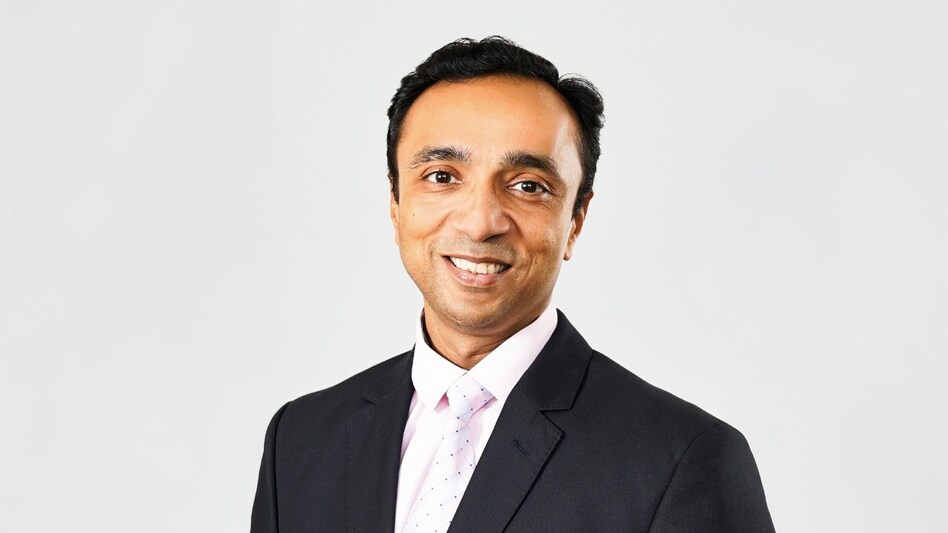
 Alok Agarwal, Head - Quant and Fund Manager at Alchemy Capital
Equity market investors have had a roller-coaster ride as a result of the war in West Asia, which has sent oil prices soaring and the rupee tumbling, raising concerns on India’s economy. While there are near-term challenges, fund managers remain positive looking beyond the conflict.
Alok Agarwal, head of quant and fund manager at Alchemy Capital, pointed that India is in a growth phase and we are in a cycle where the corporate earnings to GDP ratio have been improving.

 NSE becomes India's 10th most-valued firm, shares debut at Rs 1,800
 NSE adds Rs 22,000 crore to m-cap as stock rises 5% over issue price after listing
 Insurance commissions may fall: What IRDAI’s new distribution rules mean for policyholders
 All about Venu Srinivasan, the 73-yr-old TVS scion at the centre of Tata boardroom showdown
 Hurun India Rich List 2026: Adani reclaims top spot with ₹9.23 lakh cr valuation. Check where others stand
 Student Housing Faces A Major Shift: Why Organised Campus Accommodation Could Grow
  Ground Report: Sleeper Buses Face Safety Questions After Greater Noida Fire Tragedy
  14 Objections In 10 Months: Two ECs Flag Form 6, Voter Roll Changes Before ECI
  Greater Noida Bus Fire: FIR Alleges Driver Smoked, Ignored Warning Before 9 Deaths
 Indian Stock Market Falls: Nifty Down 1% as Crude Oil and Bond Yields Surge
 Hero Motors, SS Retail, Jindal Supreme shares extend post-listing gains; SS Retail turns multibagger
 PB Fintech shares crack 28% after Irdai consultation paper; is there more pain ahead?
 Exide Industries shares rise after subsidiary commissions Phase-I of lithium-ion cell facility
 YES Bank, IndusInd, IDFC First shares: What Citi, Jefferies say on IRDAI consultation paper; targets
 Bharat Dynamics shares gain on Rs 811-crore order win from defence ministryStudent Housing Faces A Major Shift: Why Organised Campus Accommodation Could Grow
  Shareholders back Sameer Hiremath as Hikal Chairman and MD for a 5-year termGround Report: Sleeper Buses Face Safety Questions After Greater Noida Fire Tragedy
  From school charts to couture: India's favourite ‘Adarsh Balak’ steals Lovebirds' London Fashion Week debut 14 Objections In 10 Months: Two ECs Flag Form 6, Voter Roll Changes Before ECI












