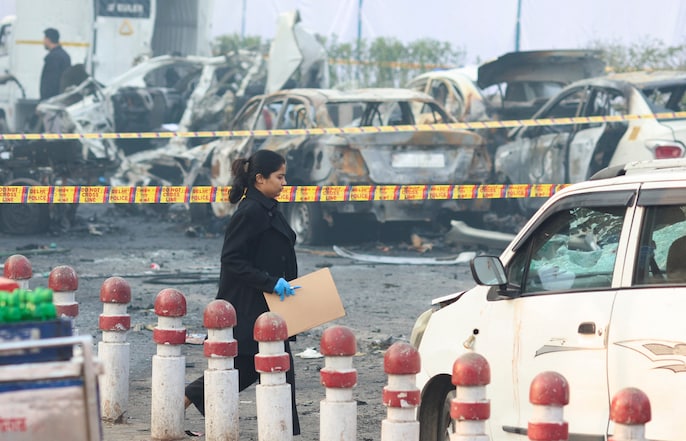
The 2025 Red Fort blast outside Lal Quila Metro shocked Delhi, killing eight and injuring several. Investigators are probing possible terror links, with high alert sounded across the capital.

In 2024, Bengaluru’s Rameshwaram Café turned into chaos as an IED explosion injured ten. The attack, captured on CCTV, reignited fears of urban terror strikes in India’s tech hub.
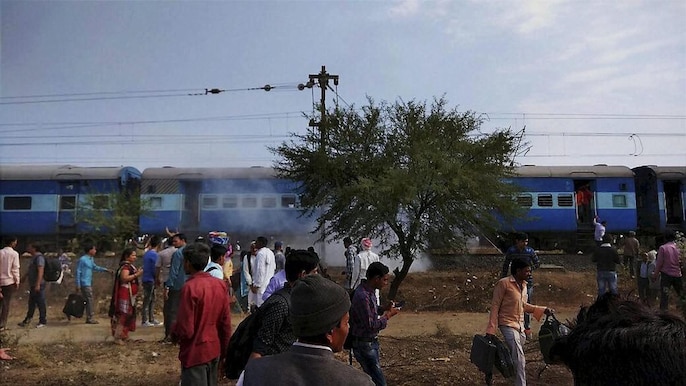
A sleeper coach on the Bhopal–Ujjain passenger train exploded in 2017, leaving the compartment engulfed in smoke. The low-intensity blast signaled a chilling return of rail-route attacks.
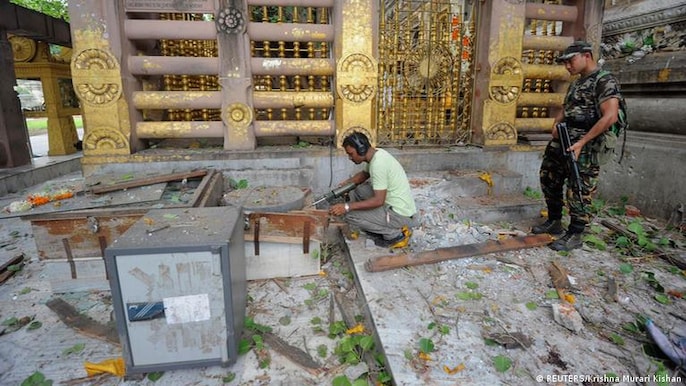
Bodhgaya’s 2013 serial explosions at the Mahabodhi Temple wounded two monks, defiling one of Buddhism’s holiest sites. The Indian Mujahideen-linked act struck at global spiritual heritage.
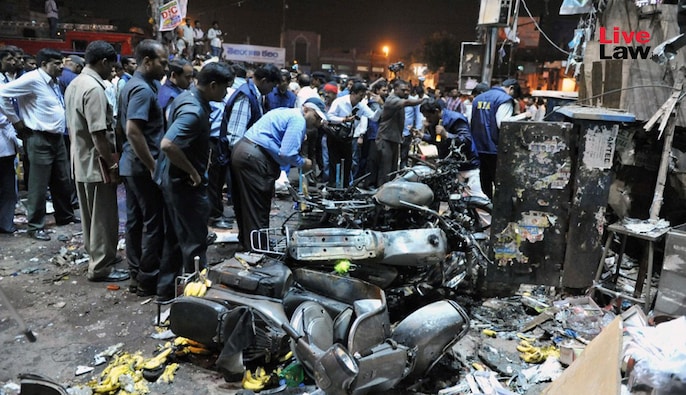
Hyderabad’s Dilsukhnagar twin blasts in 2013 killed 18 and injured over 130. Within seconds, a grocery store became ground zero — the city’s worst attack since the 2007 Mecca Masjid blast.
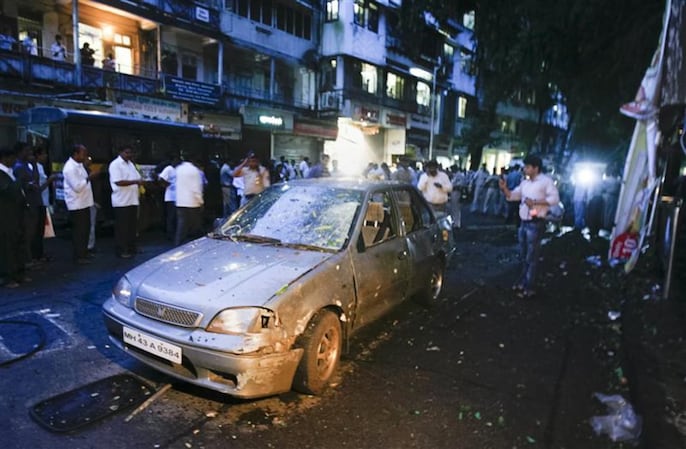
Mumbai relived horror in 2011 when triple blasts ripped through Dadar, Opera House, and Zaveri Bazaar. Twenty-seven people died, exposing deep-rooted sleeper cells within India’s financial capital.
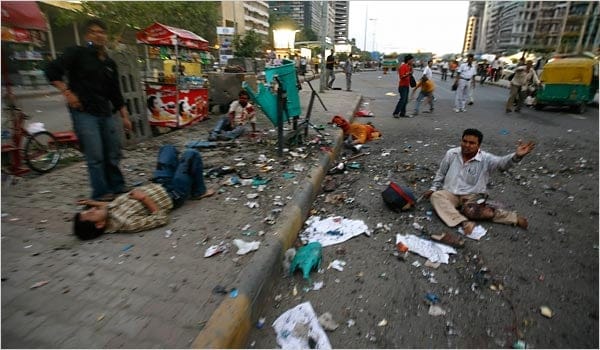
In 2008, coordinated bombings rocked Delhi’s markets and metro zones — Karol Bagh, Connaught Place, and Greater Kailash. 26 dead, 135 injured, and three unexploded devices narrowly defused.
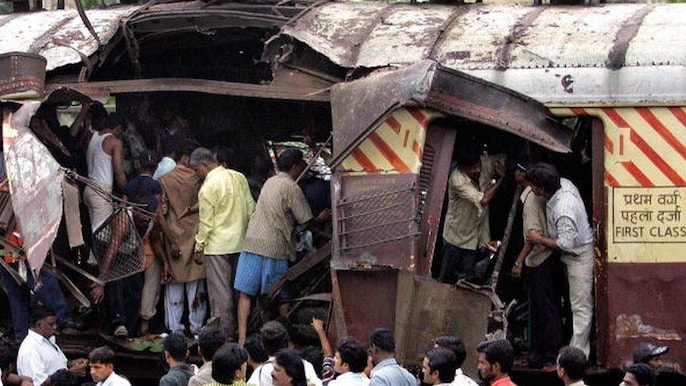
The 2006 Mumbai train bombings remain one of India’s darkest evenings — seven blasts in 11 minutes, 189 lives lost. The use of pressure cookers signaled a chilling precision in terror tactics.
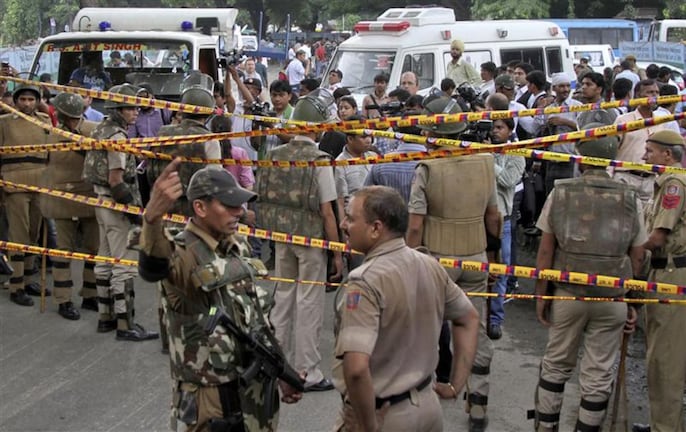
From metros to marketplaces, India’s bomb attacks reveal a shifting terror strategy — smaller, smarter, and psychologically targeted to create panic more than physical destruction.
 #DemocraticNewsroom | '800 Million People On Subsidies': Siddharth Zarabi On India’s K-Shaped Economy
 #DemocraticNewsroom | India Inflation Data: Are Official Numbers Hiding The Real Economic Picture?
 GDP Real Or Fudged? Siddharth Zarabi Defends India’s Growth Numbers With Data
 Financial Planning For Couples: How To Build A Strong Financial Plan, Budget & Wealth Together
 “High Sugar, Salt, Fat”: FSSAI CEO On Proposed Red Warning Labels On Food Packs