


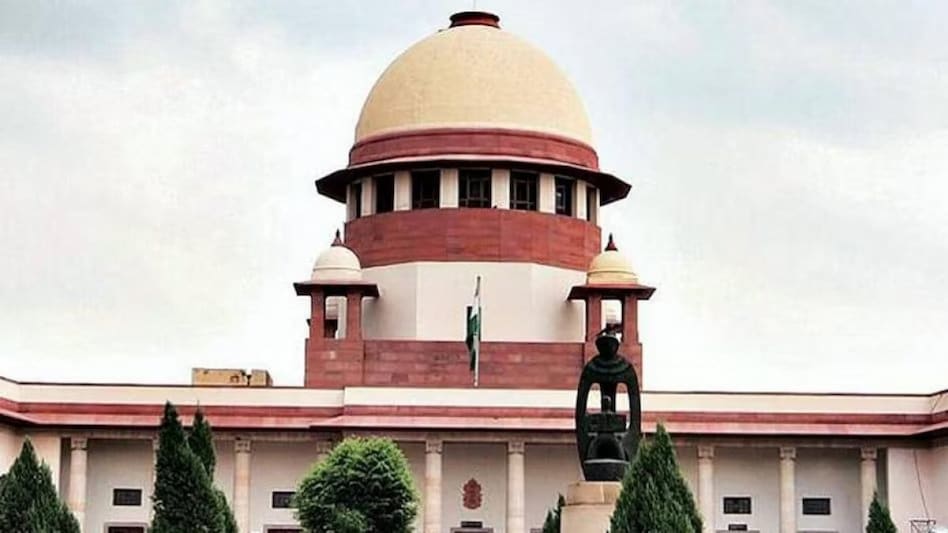
 Apex court's verdict holding that a notification is necessary for MFN clause to kick in is expected to impact MNCs working in India; tax department may reopen cases
A review petition is understood to have been filed in the Supreme Court over its ruling last month related to the most favoured nation (MFN) clause in double taxation avoidance agreements (DTAA).
The matter pertains to treaties India signed with the Netherlands, France, and Switzerland that contained MFN clauses. These clauses stipulate that if India enters a treaty with another OECD member country that had lower tax rates, those would apply to entities from these three countries too.
 US Senate passes Russia sanctions bill: Why India could face 100% tariffs under Trump
 EPFO 2026: 8 key changes to PF rules covering withdrawals, claims, service and nomination
 Bengaluru startup's rocket engine marks a first: Can it become India's answer to SpaceX's Raptor?
 Gold vs Silver: Which precious metal offers better risk-reward right now?
 BT Exclusive: Large merchants may bear UPI MDR under proposed framework, say sources
 FSSAI Penalizes AWL After Fortune Sunflower Oil Fails Vitamin D Test In Goa
 Delhi High Court Grants Interim Relief To Dabur, Stays FSSAI Order On '100%' Product Claims
 Lupin Posts 33% Sales Growth In Q1 FY27 Results
 24 Hours Of Rain LIVE: Hour-By-Hour Monsoon Tracker Shows Where India Gets Hit Next
 Large Caps Or Mid & Small Caps? Where Fresh Money Could Deliver Better Returns After Q1 Earnings
 PPFAS MF's Rajeev Thakkar explains why the fund isn't chasing OpenAI-like AI stocks
 Titan Company Q1 earnings: Net profit rises 65%, revenue at Rs 18,101 crore
  Tata Technologies shares zoom 17% in two sessions, hit 52-week high; here's why
 BTTV Exlclusive: Deven Choksey's preferred top bets; flags midcap valuation risk
 Defence stock to buy: Is it still worth to buy this shipping share after 3,000% in 6 yrs?
  150-year-old reason: Why your jeans has a tiny front pocket & what it was really made for
  UPI charges explained: PCI says consumers, small merchants will continue to pay nothing amid MDR debate US Senate passes Russia sanctions bill: Why India could face 100% tariffs under Trump
 Quote of the Day by Anand Mahindra: 'You have to seed internal disruptors. You need sources of internal disruption. They don't guarantee your survival, but you have got to try'
 Your car's hidden AC trick: One dashboard button can cool your car faster if used correctly










