Cancer rarely shouts at first—it whispers. Unseen and unfelt, early-stage cancers often slip by unnoticed. That’s why spotting subtle changes can literally be life-saving.

Losing kilos without trying? It’s not always a fitness win. Rapid, unexplained weight loss may be your body’s cry for help—especially in cancers like pancreas, stomach, or lung.

If you’re constantly exhausted no matter how much you rest, it’s more than burnout. Persistent fatigue could signal cancer draining your body’s nutrients and blood supply.
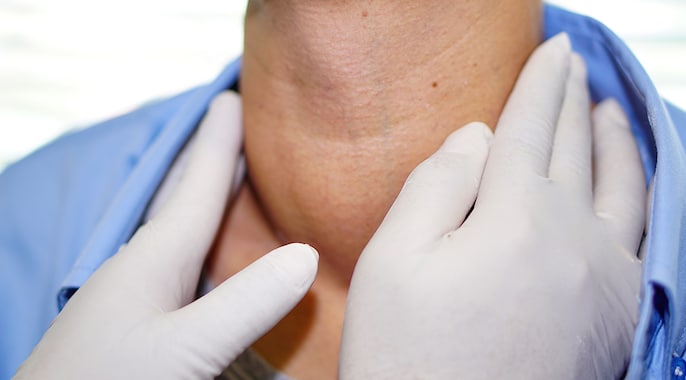
A small bump in your breast, armpit, or neck might not hurt—but that doesn’t mean it’s harmless. Any lump that lingers or grows demands a doctor’s eye.

That mole you’ve had for years? If it changes size, shape, or color—don’t ignore it. Skin cancers, especially melanoma, often start with something as small as a speck.

Skin that darkens, itches, or develops strange spots isn’t just cosmetic. These subtle shifts can indicate deeper malignancies—especially if they don’t fade over time.

A lingering cough or scratchy throat might seem minor—until it isn’t. Cancers of the throat and lungs often begin with chronic coughs that refuse to quit.

Can’t get food down easily? Trouble swallowing or persistent hoarseness can signal esophageal or throat cancers before any pain sets in.

Blood where it doesn’t belong—like in urine, stool, or phlegm—is never normal. From bladder to bowel, unexpected bleeding is one of cancer’s most urgent red flags.
 Health Insurance Premiums: Do Delhi And High-Pollution Cities Pay More? Siddharth Singhal Explains
 Pollution-Linked Diseases: 3 Health Insurance Checks You Must Make To Ensure Adequate Coverage
 India's Property Boom: Is Real Estate Still An Attractive Investment Bet? Vivek Rathi Explains
 Nifty To Deliver 20-25% Returns? Rahul Arora Says Raise Equity Allocation To 75%
 Which Sectors Should Investors Avoid Now? Siddhartha Khemka Flags Key Market Risks