















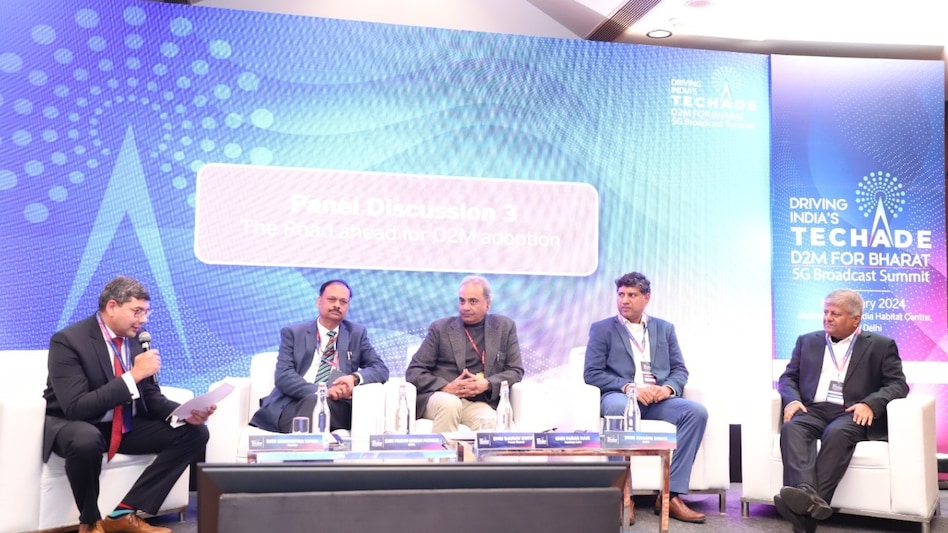
 Three panel discussions deliberated on concrete actions in promoting Direct-to-Mobile (D2M) broadcasting as a major disruption in the mobile broadcasting space.
Driving India's Techade - D2M for Bharat - 5G Broadcast Summit, was successfully organized by IIT Kanpur and Saankhya Labs today, at New Delhi. The policymakers and industry representatives at the summit provided insights on the huge potential, and need for enabling a policy framework for the implementation of D2M.
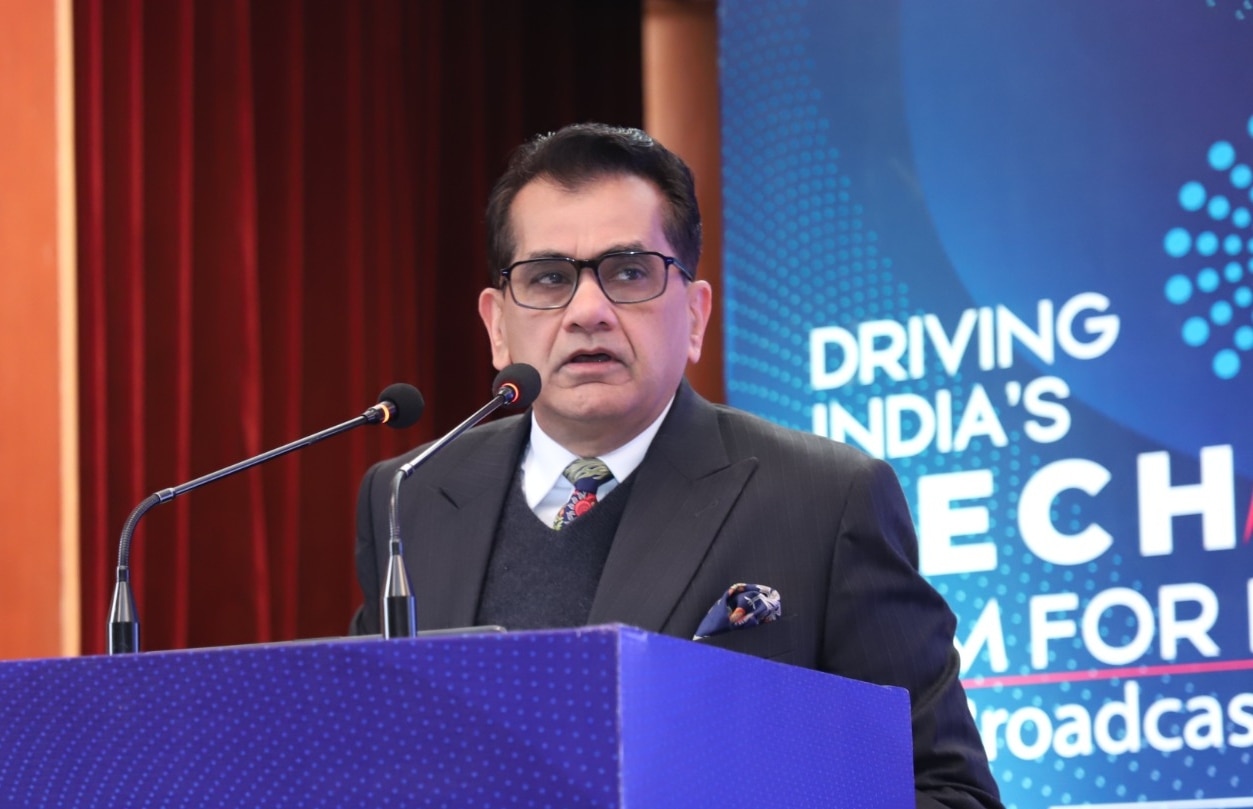
In his inaugural keynote address, Amitabh Kant, Sherpa G20 and former CEO, NITI Aayog, talked about India’s digital ascent, a testament to India’s remarkable journey in the digital landscape. He added that Direct-to-Mobile has huge potential for adoption in India, saying “I really feel that we have come a long way from 2015, when Hon’ble Prime Minister Narendra Modi launched Digital India. At the time, India’s global position was 123 in per capita data consumption, and by 2021, we have leapfrogged to being number 1 in this sphere.”
 NCLT order misread: Subhash Chandra's ₹22,006 cr case isn't a 99.97% bank loss, say govt sources
 BT Explainer: Why JSW Group is putting its plans to make battery cells in India on hold
 BPCL takes rare risk to bring Iraqi crude through Strait of Hormuz
 NDA may win 326 seats, BJP 261 if Lok Sabha polls held today: India Today-CVoter MOTN
 India eyes ₹13,000 crore battery component push to reduce reliance on China: Report
 Nepal Flood Crisis: Massive Floods Leave Trail Of Destruction Across Rasuwa, Nuwakot And Chitwan
 Oseltamivir Shortage Explained: Why H1N1 Cases Are Driving Demand & Prices Are Varying Sharply
 Stock Market Outlook: Strong Earnings, Global Risks; What’s Next For Nifty Above 24,000?
 Lupin Stock Outlook: Citi Downgrade Vs Bernstein Buy; Is The Pharma Stock A Buy Now?
 Polycab, KEI Industries: BofA Buy Calls, Targets Up To ₹11,000; Sunny Agrawal Picks Polycab
 HDFC Bank shares hit 52-week low, down 28% YTD; experts see further downside
 Fintech firm Paramotor Digital gets Sebi nod for IPO
 Wipro ADRs jump 7% on Google Cloud partnership; key details
 Internet stocks look expensive, but Nykaa and Lenskart remain long-term bets: Mayuresh Joshi
 Gujarat Pipavav shares: JM Financial retains target, sees 27% upsideNepal Flood Crisis: Massive Floods Leave Trail Of Destruction Across Rasuwa, Nuwakot And ChitwanOseltamivir Shortage Explained: Why H1N1 Cases Are Driving Demand & Prices Are Varying SharplyStock Market Outlook: Strong Earnings, Global Risks; What’s Next For Nifty Above 24,000?Lupin Stock Outlook: Citi Downgrade Vs Bernstein Buy; Is The Pharma Stock A Buy Now?Polycab, KEI Industries: BofA Buy Calls, Targets Up To ₹11,000; Sunny Agrawal Picks Polycab


