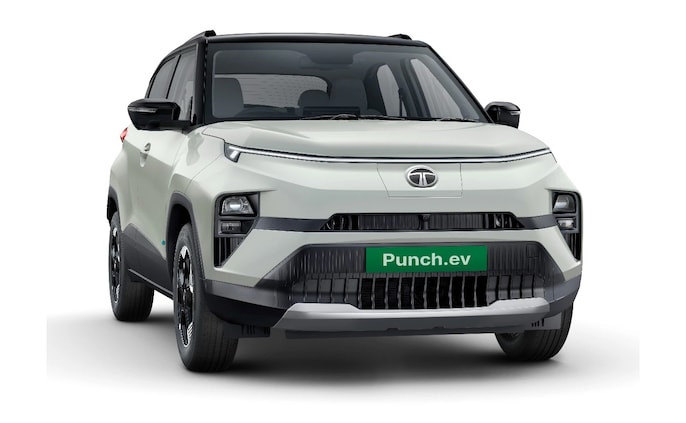
The Tata Punch is sold with a petrol engine, a factory CNG kit and as an EV, which makes it a fair test of what each fuel costs to run. We used Delhi prices and real-world mileage figures, not company claims, to work out the cost per km and per year. Purchase price, insurance and servicing are not included.
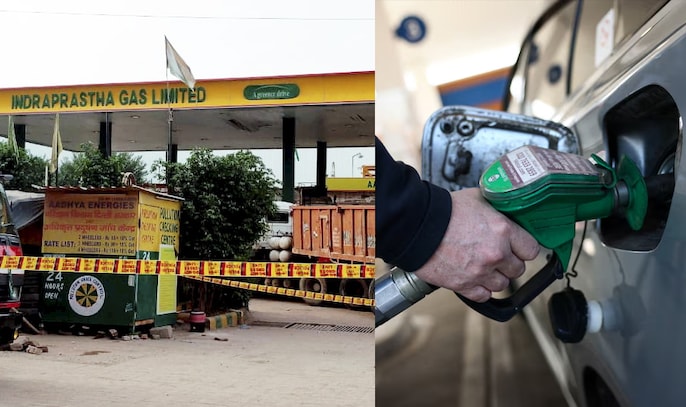
Petrol cost ₹102.12 a litre in Delhi on 7 November 2026, according to The Hans India. IGL has charged ₹86.98 per kg for CNG in Delhi since 29 August, Angel One reported. For home charging we used ₹8 per unit, a Delhi domestic slab rate cited by MeraEV, and ₹20 per unit for public DC fast charging.

The Punch petrol is rated at 20.09 kmpl, but Spinny puts real-world mileage at 14-17 kmpl in the city and 17-19 kmpl on the highway. At 15.5 kmpl, a mostly-city figure, each km costs about ₹6.59. That is ₹6,588 per 1,000 km, or ₹79,061 a year at 12,000 km.

Autocar India got 22.12 km per kg overall from the Punch iCNG AMT in its real-world test, published on 14 September 2026. At ₹86.98 a kg, that is about ₹3.93 a km, or ₹47,186 a year at 12,000 km. That saves about ₹31,900 a year over petrol, before counting the price difference between the two versions.
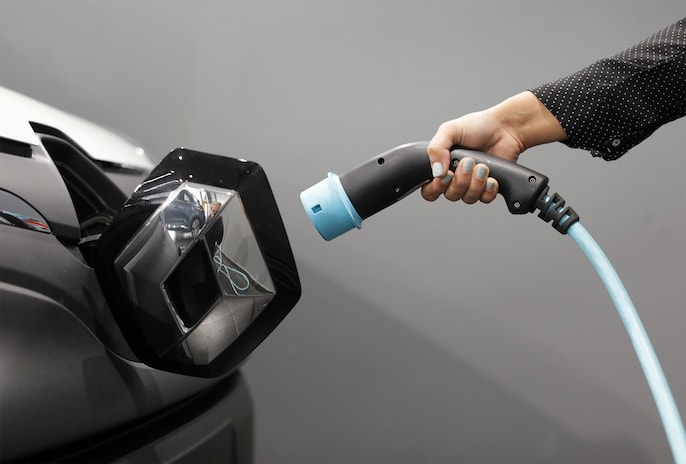
Spinny's figures imply about 7 km per kWh for the Punch EV. At ₹8 a unit at home, that is about ₹1.14 a km, or ₹13,714 a year. At ₹9 a unit, with charges and taxes, it is ₹1.29 a km. The EV saves about ₹65,300 a year in fuel against petrol at 12,000 km.
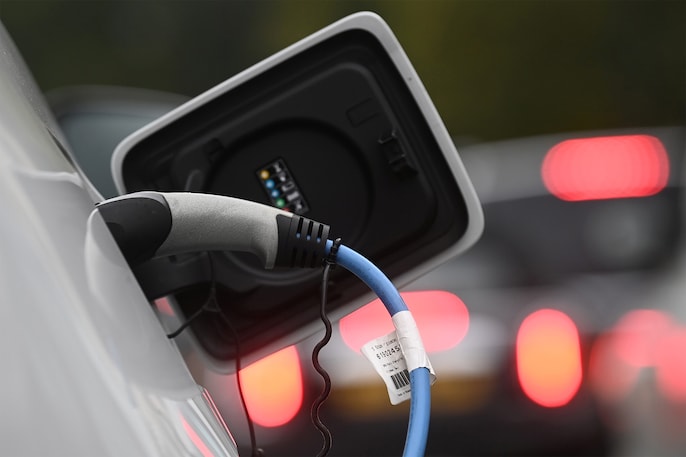
Public DC fast chargers cost about ₹18-22 a unit, according to MeraEV. At ₹20, the Punch EV costs about ₹2.86 a km, or ₹34,286 a year if you used only public charging. That is still below petrol, but now close to CNG. Owners without home charging should plan with this figure.
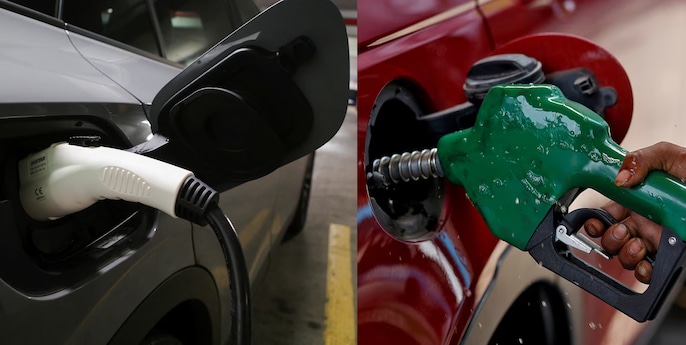
Divide your fuel price by your car's real mileage to get cost per km, then multiply by your yearly km. Your result will change with driving style, AC use, traffic and local power tariffs. The fuel saving matters only alongside the purchase price gap, so compare on-road prices for the variant you want too.
 EXCLUSIVE: Nara Lokesh On Andhra’s ₹11 Lakh Crore Investment Push & 2 Million Jobs Target
 Bajaj Finance QIP: Expert Explains The Growth Opportunity In Banking And NBFCs
 Nifty's Next Move, Gold's Big Opportunity: Where Should Investors Invest Now?
 MSCI Rejig: $2 Billion Inflows For India? Gaurang Shah On Stocks To Buy, Hold Or Ignore
 India's Jobless Rate Falls to 5.1%, But Why Is Urban Youth Unemployment Rising to 18.9%?