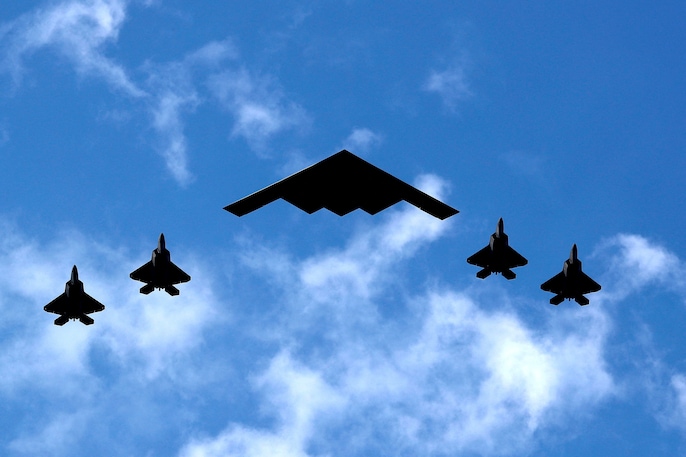
Modern battlefields aren’t always visible. Analysts note a growing shift toward underground infrastructure—missile silos, nuclear facilities, and command bunkers—forcing militaries to develop weapons that don’t just strike, but dig deep to destroy.
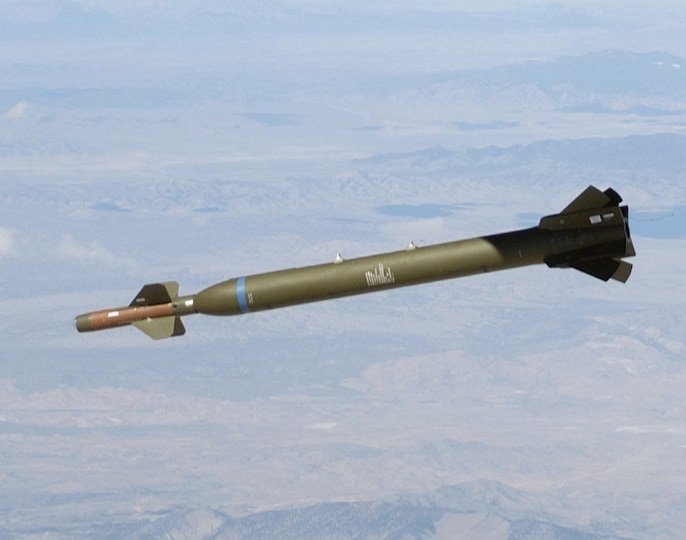
These bombs don’t explode on contact—they wait. Designed with precision delay fuses, bunker busters penetrate layers of soil and concrete before detonating, unleashing shockwaves exactly where the target is most vulnerable.
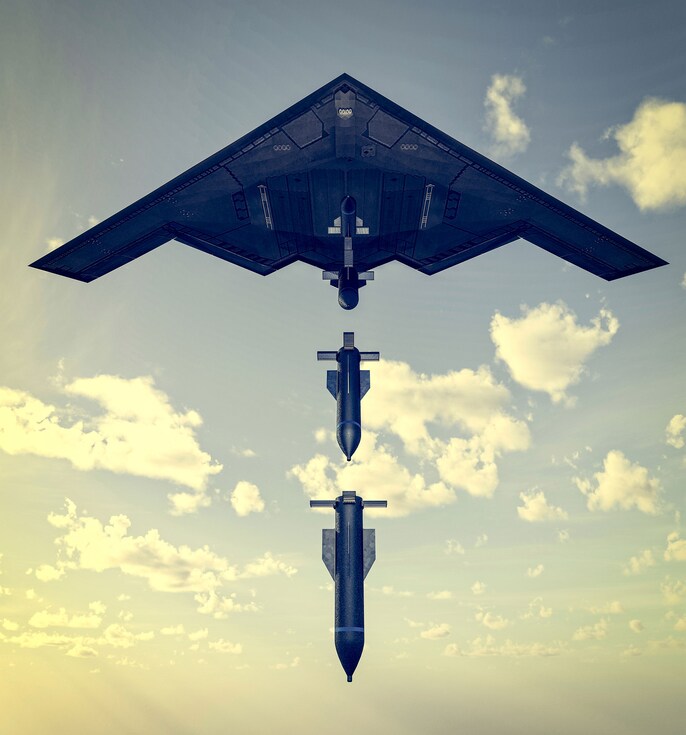
Experts describe bunker busters as “gravity-driven penetrators.” Encased in hardened steel, they act like massive drills, slicing through reinforced structures at high velocity before triggering a devastating underground explosion.
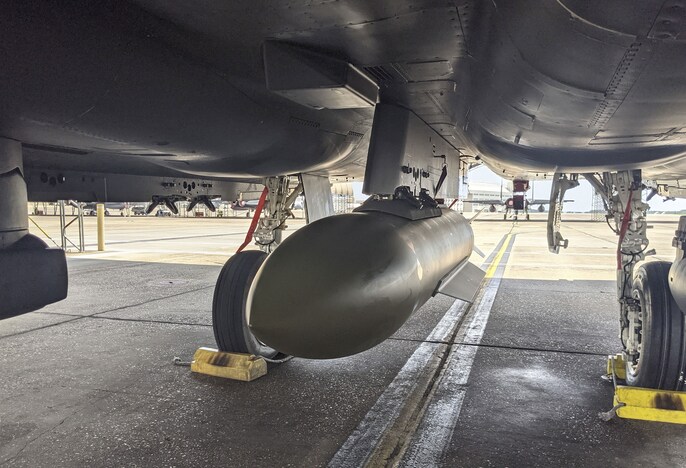
Unlike missiles powered throughout flight, bunker busters rely heavily on gravity and momentum. Defense studies highlight how sheer weight and speed give them the force needed to punch through multiple layers before detonation.
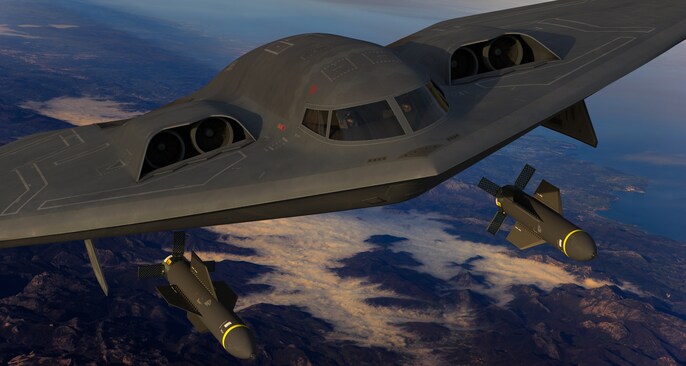
Modern versions aren’t just brute force—they’re guided. Using GPS and inertial navigation systems, bombs like the MOP adjust mid-flight, ensuring they hit precise underground coordinates with minimal surface-level destruction.

The real damage happens after impact. Scientists explain that underground blasts amplify pressure waves, collapsing tunnels and bunkers from within—sometimes without leaving obvious surface craters.

The concept dates back to World War II, when Barnes Wallis designed “earthquake bombs” that shook targets from below. Today’s bunker busters are evolved versions of that same disruptive idea—refined with modern precision.
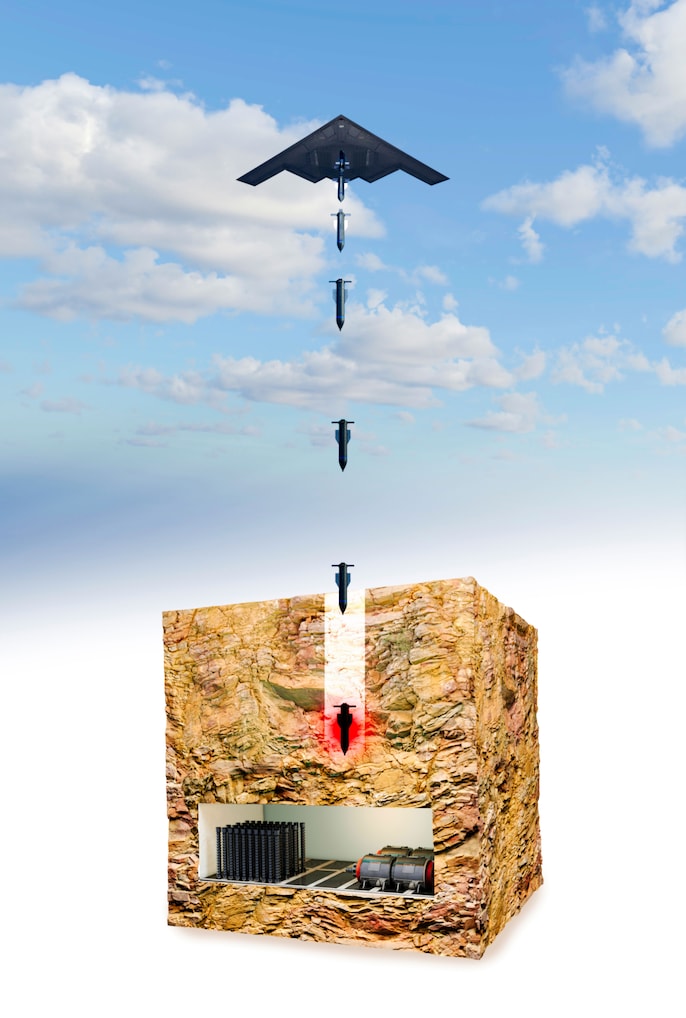
The GBU-57 Massive Ordnance Penetrator isn’t just large—it’s extreme. Weighing around 30,000 pounds, reports say it can penetrate up to 200 feet underground, making it the most powerful non-nuclear bunker buster in existence.
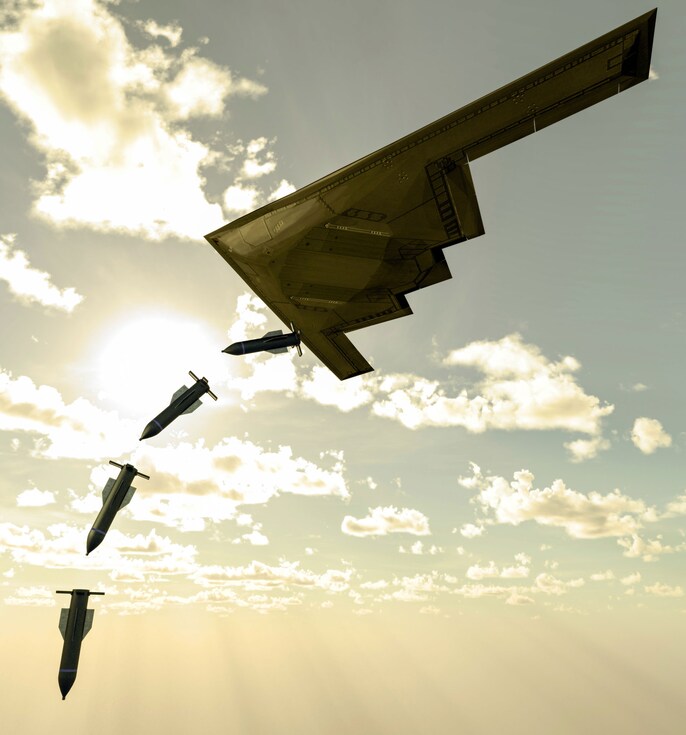
When such weapons are deployed, the message goes beyond destruction. Strategic experts say targeting deeply buried sites signals intent—to neutralize hidden capabilities that conventional strikes simply cannot reach.
 Burqa Ban In Italy? Meloni Pushes New Rules On Face Coverings
 Tata Trusts-Tata Sons Row: Harish Salve Explains RBI Rules, Singhvi Flags Shareholder Rights
 Top Legal Eagles Flock To Tata Sons & Tata Trusts As Boardroom Clash Heads To Court
 Over Next Three Years Company Expects To Invest ₹15,000 Cr For Deepwater Exploration
 Tata Sons Listing Row: Shapoor Mistry Backs IPO As Noel Tata Pushes ₹25,000-Crore Plan