The Supreme Court has allowed certified green crackers in Delhi-NCR on 7 and 8 November only, reports say. The windows are 6 am to 7 am and 8 pm to 10 pm. That's three hours a day, or six across Diwali weekend. A bench of Justices MM Sundresh and Prasanna B Varale passed the order, and the full ban returns on 9 November.
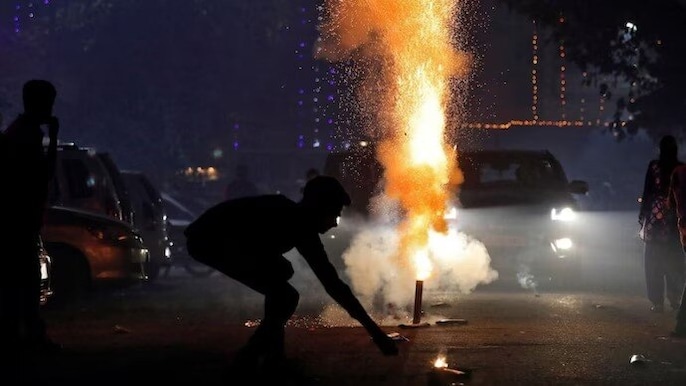
A green cracker must cut particulate emissions by at least 30% from a comparable conventional cracker, or cut them by 20% along with a 10% fall in gases. Business Standard describes this as less polluting, not pollution-free. Noise can remain high too, as the limit for these crackers is under 125 dBA.
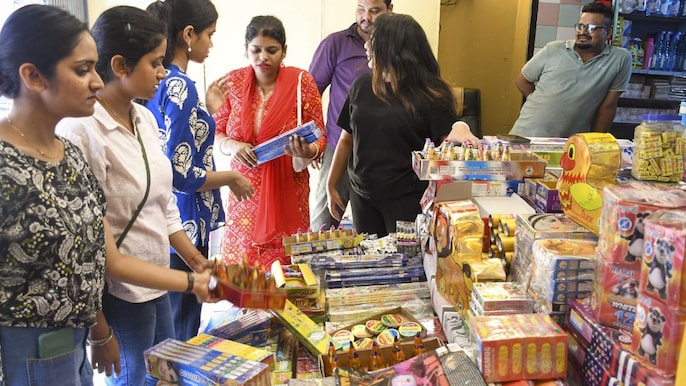
Each sealed box needs a QR code for that specific product and batch. Scanning it should show the manufacturer, NEERI registration, PESO or DM licence, formulation and test certificate. Packs should also carry the CSIR-NEERI green cracker logo. A label saying "green" or "eco-friendly" isn't proof. If those details don't appear, treat the box as unverified.

Sales are allowed only at sites designated by district authorities, and online sale is prohibited. They must stop after 6 November. Traders with cancelled licences have temporary restoration only from 4 to 6 November. Police teams must inspect sale points and check QR codes, so buying from a roadside cart carries more risk of getting an uncertified product.
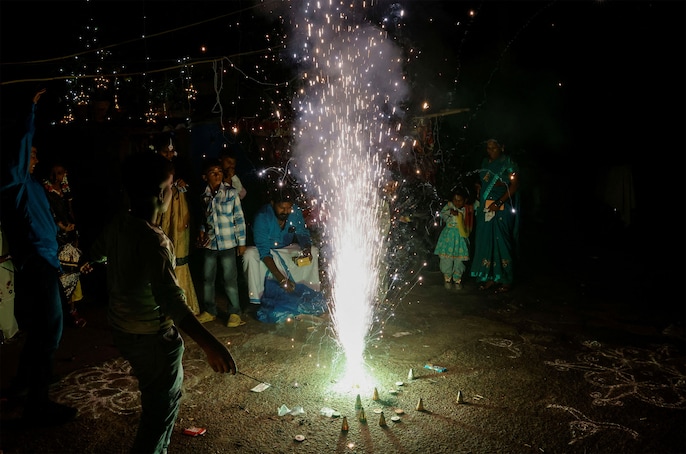
Crackers joined in a series, known as ladis, are out, as are crackers containing barium or anything not approved by CSIR-NEERI. No crackers can be used within 300 metres of hospitals, nursing homes, health centres, old-age homes, educational institutions and notified silence zones. Check your own street before Diwali night, as these zones must be marked.
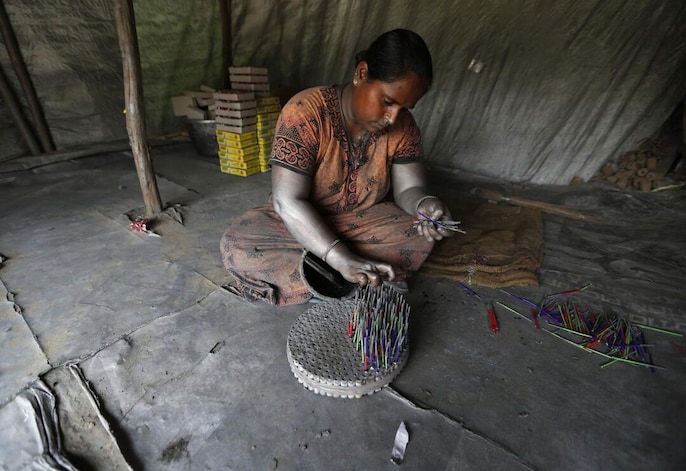
Outlook, citing Hindustan Times spot checks, says vendors in areas including Sadar Bazaar and Chandni Chowk were selling crackers. Many boxes lacked QR codes, and some codes opened only catalogues. Justice Sundresh remarked that "now everything is available". Delhi Police registered more than 13 FIRs and seized 1,200 kg of crackers in the 12 days after Dussehra.
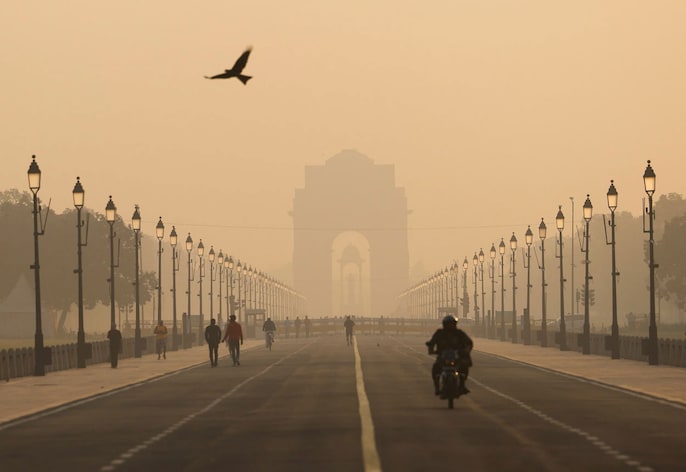
The complete ban returns on 9 November. Pollution boards must file daily AQI data for the periods before, during and after Diwali, up to 30 November. Compliance affidavits are due by 14 December, with the next hearing on 16 December. Reports we reviewed don't spell out a penalty for individuals, so check your local police advisory.
 Dalal Street Creates History! Market Cap Crosses ₹500 Lakh Crore As Sensex Soars 2,000 Points
 Tata Trusts Row: Mistry Challenges Removal, Questions Srinivasan's Vote, Raises Governance Issues
 Tata Motors Apps Face Cybersecurity Scare As Company Rolls Out New Security Update For Car Owners
 Elon Musk's $500-Million Election Gamble Backfires! Trump's Midterm Defeat | BTTV
 Karnataka Dairy Price Hike: Ghee From ₹715 To ₹850, Paneer At ₹485