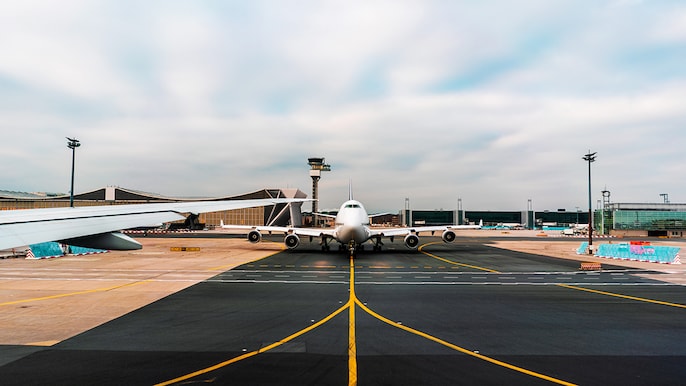
Ground Stop
Air traffic control occasionally hits pause with a “ground stop,” forcing planes to wait. Imagine hundreds of aircraft held mid-prep—chaos avoided, but passengers unaware of the invisible orchestration overhead.
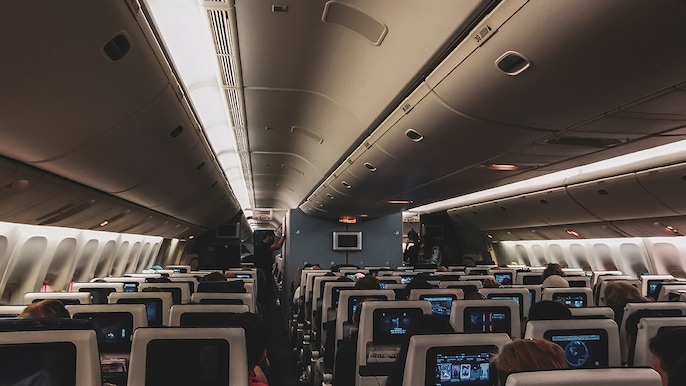
Red-Eye
A red-eye flight isn’t about irritated eyes—it’s a late-night journey landing at dawn. Solo travelers or night owls, this term shapes your travel rhythm without you realizing the strategy behind the scheduling.
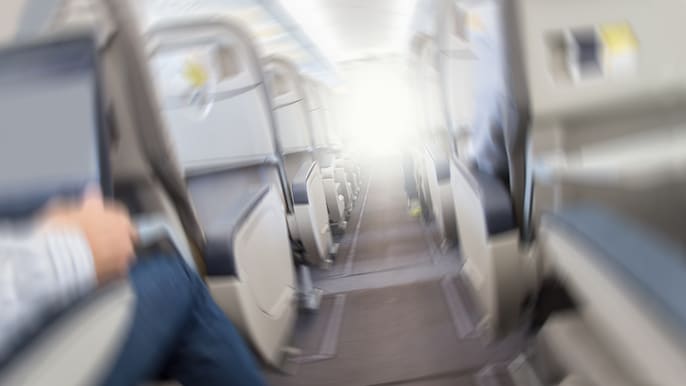
Air Pocket
Ever felt the stomach drop mid-flight? That’s an air pocket, a sudden jolt in turbulence. Pilots and cabin crews manage these invisible patches of sky, keeping passengers safe while the thrill surges unexpectedly.
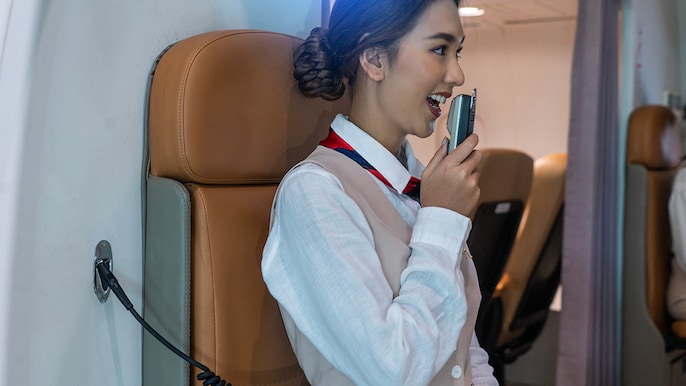
Jump Seat
The “jump seat” is where flight attendants perch during takeoff and landing. Not for passengers, it’s a small hub of vigilance—observing, reacting, and ready for any mid-air emergency you’ll never see.
Deadhead
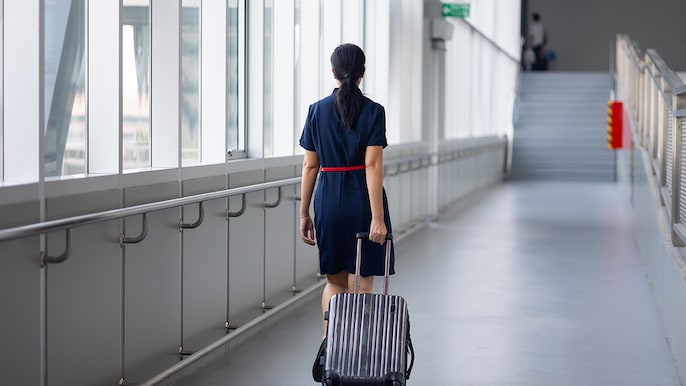
A “deadhead” is a crew member traveling without duty, repositioning for their next assignment. Behind the scenes, airlines shuffle personnel like chess pieces, ensuring operations flow seamlessly, invisible to travelers.
Holding Pattern
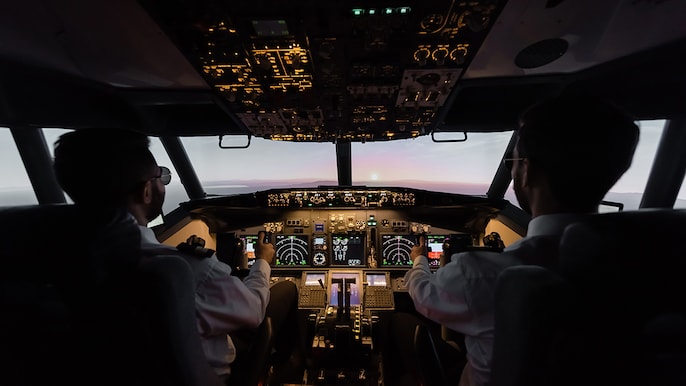
Planes sometimes circle the sky in a “holding pattern,” a racetrack-shaped delay to safely manage landing queues. To passengers, it’s extra air time; to pilots, it’s precision and planning above the clouds.
Flight Level
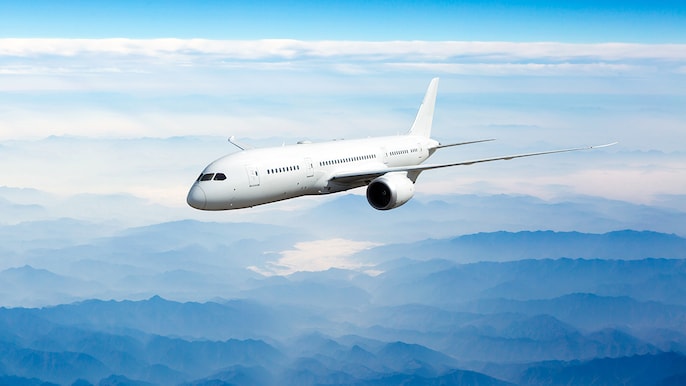
Flight level indicates altitude in thousands of feet. A simple number, yet it dictates safety, fuel efficiency, and airspace management. Every cruising plane is a high-stakes puzzle in three dimensions.
 #IndiaAt100 : Adipen Bose Nandhiji On Conscious Capitalism- Can Profit & Purpose Coexist?
 #IndiaAt100 : Hisashi Takeuchi On Driving India’s Manufacturing Revolution
 #IndiaAt100 : Manufacturing For Viksit Bharat | Can Industry Power India’s $30-Trillion Dream?
 #IndiaAt100 : Tarun Garg On Hyundai & India’s Manufacturing Powerhouse Ambition
 #IndiaAt100 : CM Pushkar Singh Dhami On Uttarakhand’s Industrial Growth & India’s Next Leap