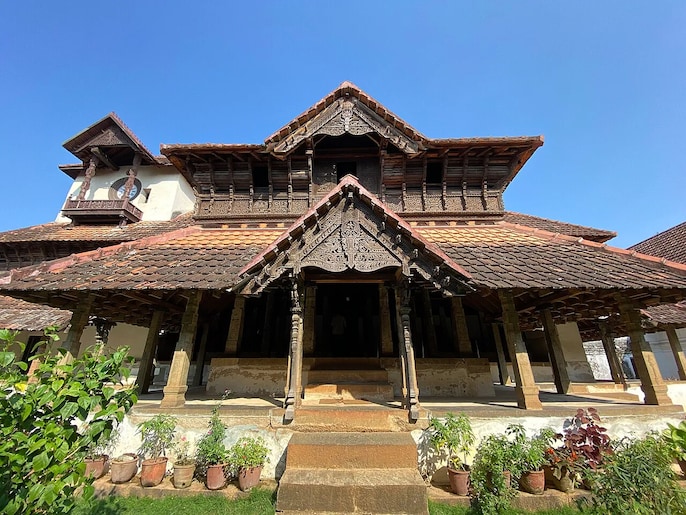
Hidden near the very southern tip of India sits a breathtaking royal residence that genuinely feels caught in a time warp — Padmanabhapuram Palace, with secret underground passages, 400-year-old murals, and ceilings bursting with intricate woodwork. (Pictures: Wikimedia Commons)
The estate dates back to 1601 as the seat of the Venad kingdom. By 1750, Maharaja Marthanda Varma dedicated his kingdom to Lord Padmanabha, renaming the capital Padmanabhapuram — "the abode of Lord Padmanabha."
Amongst the palace's architectural wonders, its glossy black floors remain the biggest puzzle. Historians believe craftsmen used charcoal, lime, burnt coconut shells and plant saps — but the exact recipe was never written down.
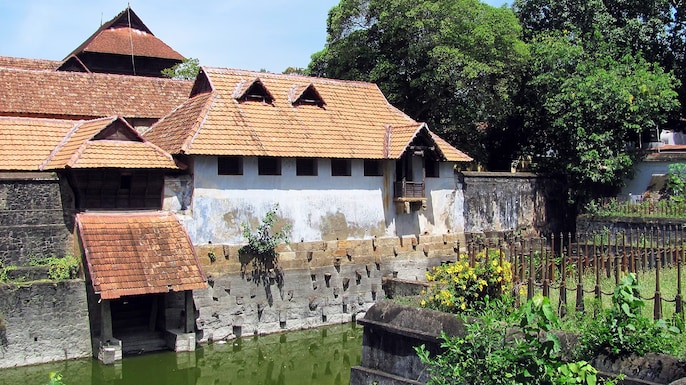
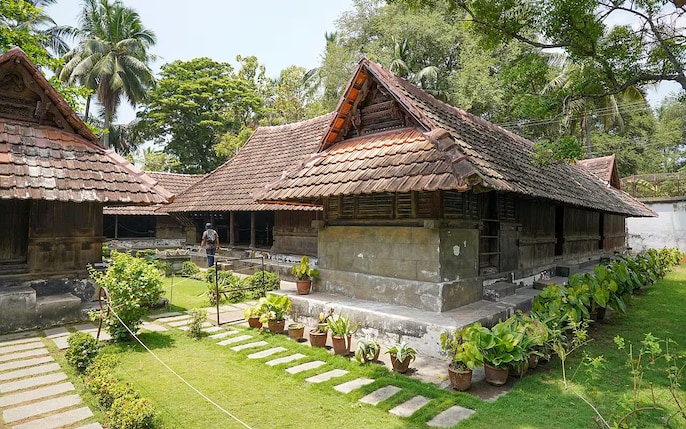
The Queen Mother's Palace, or Thai Kottaram, is the property's most ancient section, featuring exquisite woodwork around a classic courtyard — and a hidden underground tunnel once used as an emergency escape route for fleeing royals.
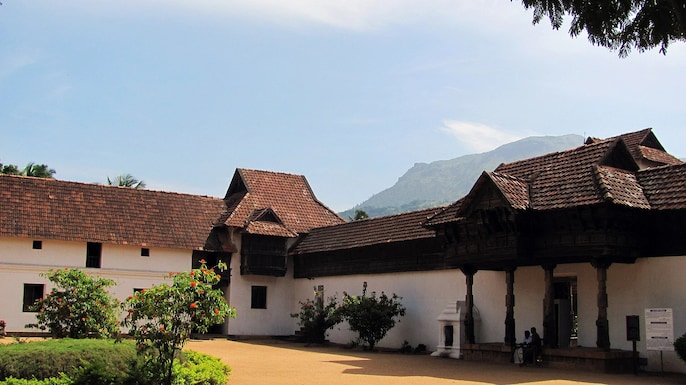
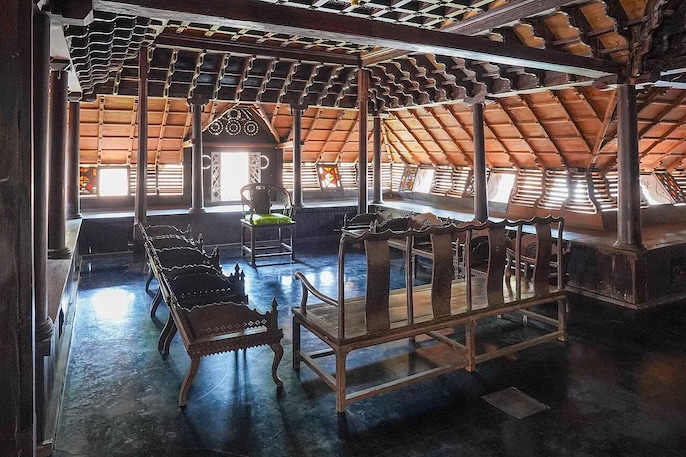
The Mantrasala, or King's Council Chamber, was engineered to stay naturally cool no matter how blistering the heat outside — intricately slotted wooden windows let breeze flow through while blocking the glaring sun.
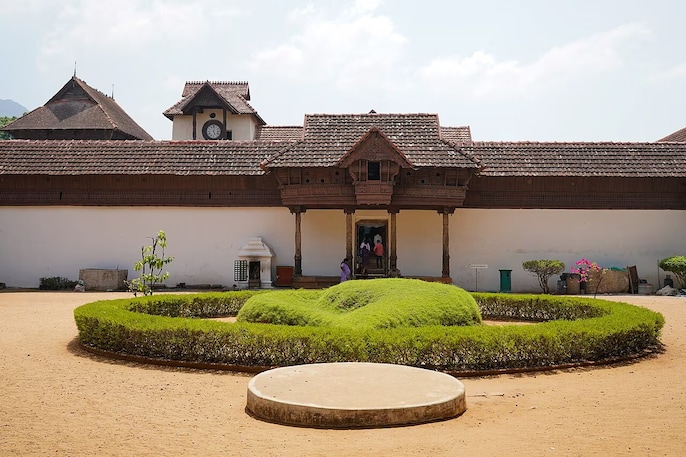
The Grand Dining Hall, locally called Valiya Oottupura, highlights the wealth and generosity of the Travancore kings. Historical records show thousands of guests were fed here during major royal occasions.
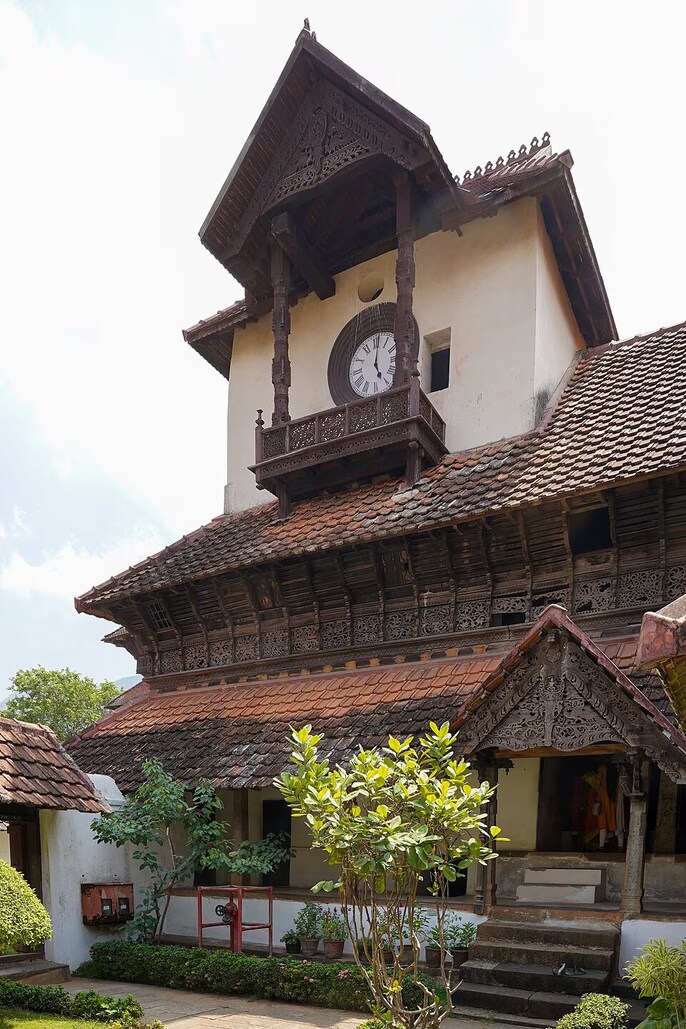
Right by the main entrance stands a centuries-old mechanical clock tower that incredibly still works today — guiding generations of visitors and easily ranking among the palace's most fascinating quirks.
 CEA On India’s 7.8% Growth, Rural Incomes And Government’s Job Creation Push
  Gold Price Outlook: Why Dollar Weakness Could Keep Gold And Silver Prices Attractive Ahead
 Gold vs Silver Investment Strategy: Is This The Right Time To Buy For Long-Term Returns?
 Corporate Vs Personal Health Insurance: Which Is Better On A Budget?
 Gold Price Outlook: Why Gold Could Rise Despite Global Interest Rate Hikes | Silver Market Update