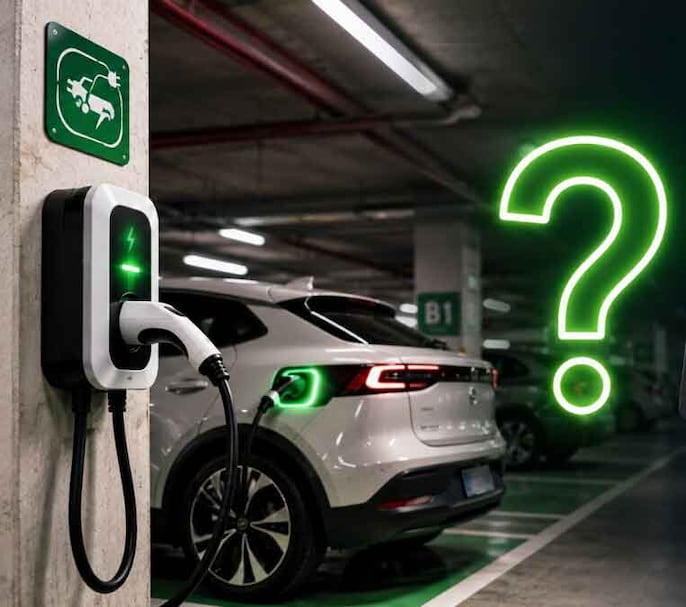
A charger is useful only when you have reliable access to the same parking space. Confirm whether the bay belongs to your flat, is assigned temporarily or changes regularly—and get the arrangement recorded in writing.

Speak to the landlord, resident welfare association and facility manager before drilling walls or laying cables. Approval rules differ by building and state, while common-area wiring may require formal permission and supervision.
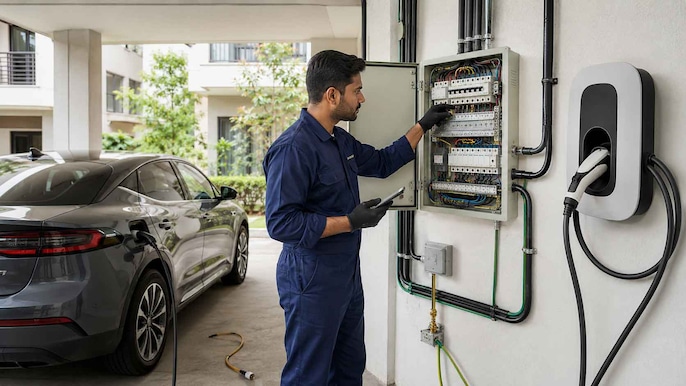
An electrician should inspect the sanctioned load, distribution board, cable route and earthing before installation. A charger must match the vehicle, building supply and recognised safety standards—not a makeshift extension cord.
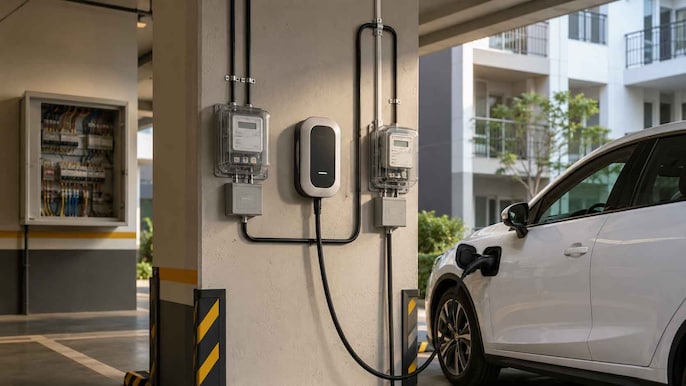
Clarify whether charging will use your home meter, a dedicated sub-meter or the society’s common connection. Tariffs vary by state, while charging cost broadly depends on battery capacity and the applicable electricity rate.
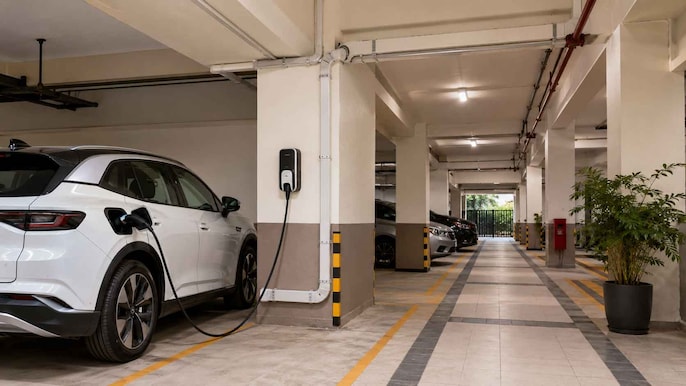
Long loose cables across passages create trip, damage and water-exposure risks. The route should be protected, properly enclosed and positioned so it does not obstruct pedestrians, neighbouring vehicles or emergency access.
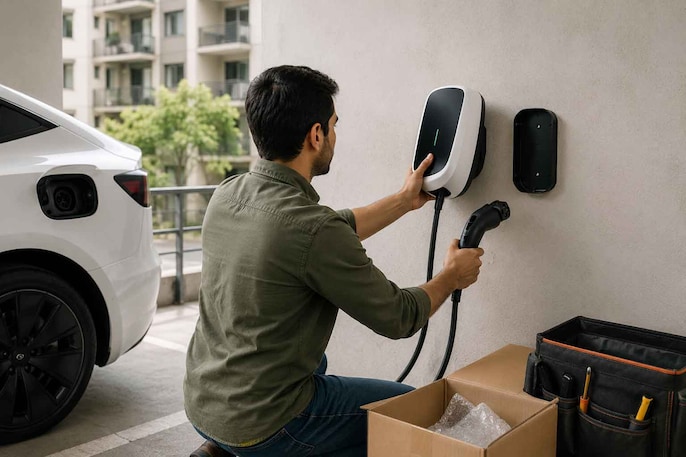
Because the home is rented, ask whether the charger can be removed and reinstalled elsewhere without affecting its warranty. Also decide who will pay to restore the wall, wiring and parking area when the tenancy ends.
 New Delhi Railway Station Food Safety Exposed: Dirty Kitchens, Cockroaches And Hygiene Questions
 NDMC Proposes 30% Property Tax Rebate: Who Benefits And Income Tax Impact
 Joint Home Loan Tax Benefits Explained: Gauri Chaddha On Ownership, Deductions And Rental Income
 What Are ETFs And BeES? How They Work, Key Differences And Benefits For Stock Market Investors
 Trump Says Europe Is In ‘Big Trouble’, Blames Immigration For France’s Unrest And Violence