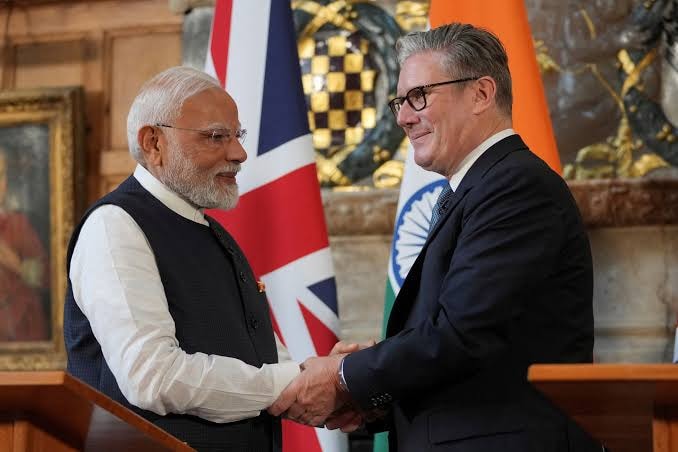
From July 15, the India-UK Comprehensive Economic and Trade Agreement (CETA) comes into effect — and for the first time, buyers of British luxury cars like Rolls-Royce, Aston Martin, McLaren and Range Rover could save between ₹1 crore and ₹3 crore per vehicle.
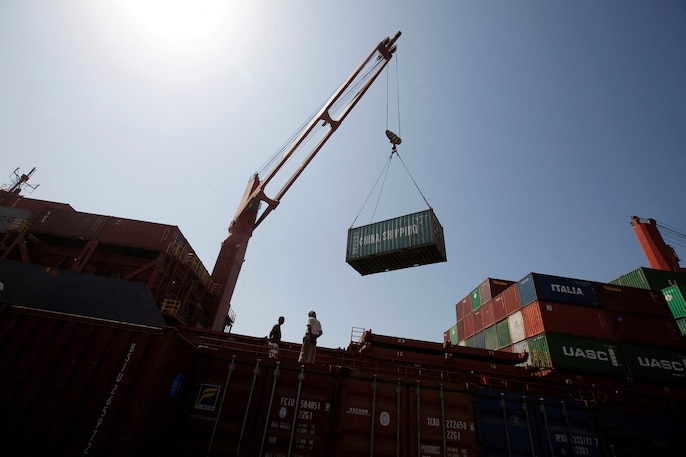
The India-UK FTA immediately reduces customs duty on eligible fully imported British cars from 110% to 30% — paving the way for price cuts of 20–25% across models from Rolls-Royce, Aston Martin, McLaren and Jaguar Land Rover, according to industry executives.
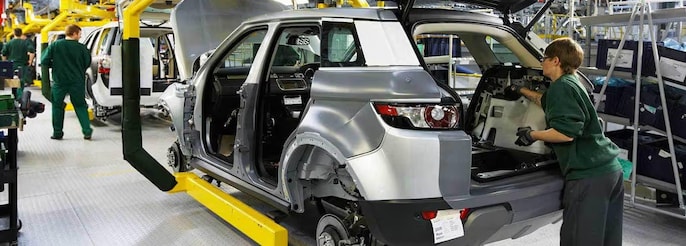
The lower duty won't apply to every imported British car. The government will allow only 10,000 fully built petrol and diesel vehicles at the concessional rate in year one through a Tariff Rate Quota (TRQ). Once this annual quota is exhausted, regular customs duty applies on all additional imports.
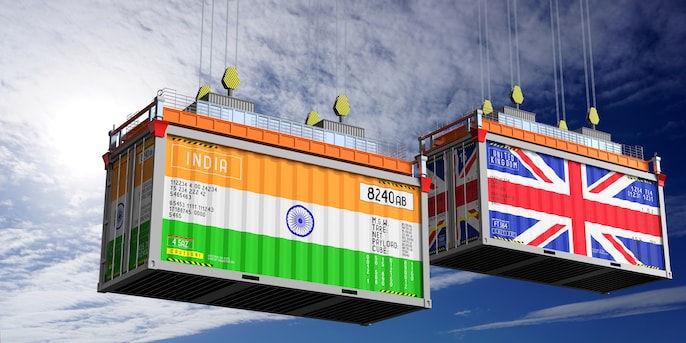
The quota will gradually increase over the next 15 years, while the concessional customs duty will be reduced in phases from 30% to 10% over the same period — meaning British luxury cars will progressively become more affordable in India over the next decade and a half.
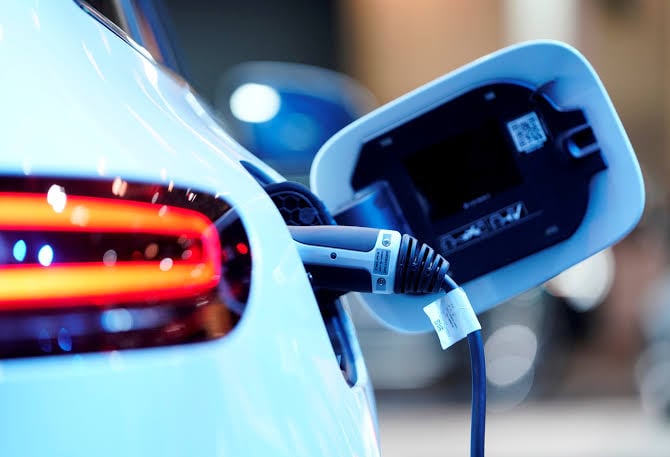
Electric vehicles will have to wait. The notification issued by DGFT on July 9 states that British-made EVs will become eligible for concessional import duties only from the fifth year of the agreement — giving Indian EV manufacturers several years of protection first.

Jaguar Land Rover has already cut prices on its Range Rover Sport SV and Range Rover SV models. Industry executives expect sales in India's high-end imported luxury car segment to double over the short to medium term, with JLR's imported vehicle share expected to rise from 3–4% to 7–10% of its India sales.

The India-UK CETA is the sixth free trade agreement implemented during the Modi government's tenure — giving duty-free market access to nearly 99% of Indian exports to the UK. Trade between India and the UK rose 8.62% to $25.12 billion in FY26, up from $23.13 billion a year earlier.
 U.S. May Tighten Child Passport Checks Under Trump, Indians And Birth Tourism Families Face Scrutiny
 Market Commentary | Deven Choksey On Buying Opportunities & Market Trends
 “India Is Certainly Not In Crisis”: Arvind Panagariya On Growth, Investment And Reforms
 Daily Calls: Ask Your STOCK MARKET TODAY QUERIES | Market Update | Share Market News Today
 What’s Hot: Stocks, Gold & Big Money Moves | Daily Markets Show | September 02 | Business Today