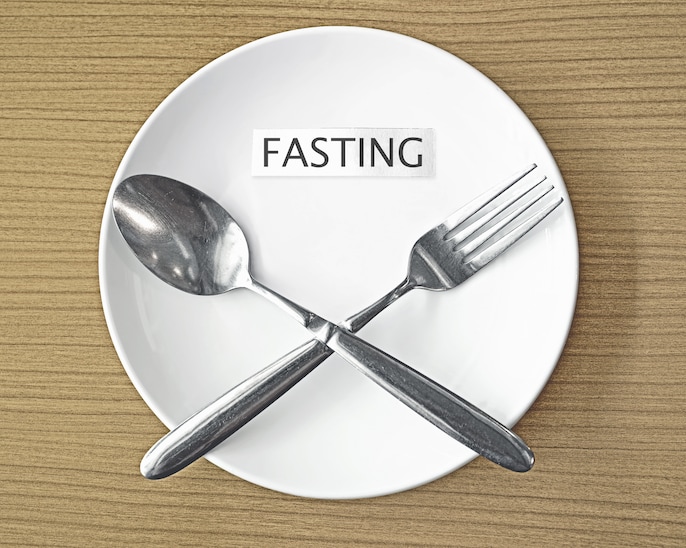
From skipping breakfast to eating every two hours — the fat loss debate splits experts. Both camps promise results, but one mistake could decide whether your metabolism fires or fades.
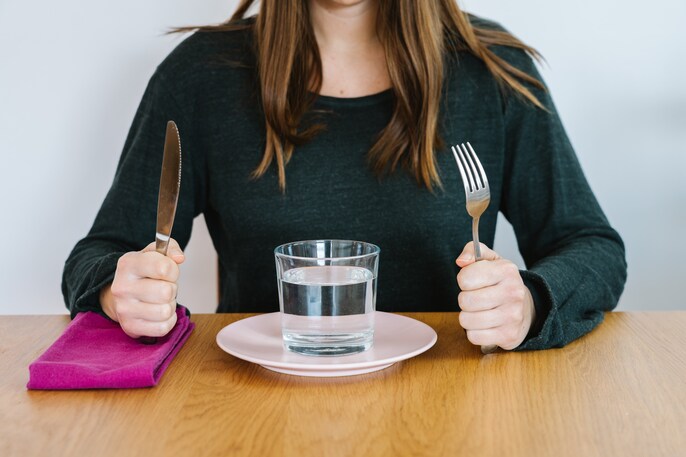
Intermittent fasting pushes the body into fat-burning mode by extending the window between meals. Studies show it may trigger autophagy — a cellular “cleanup” that helps burn stored fat efficiently.
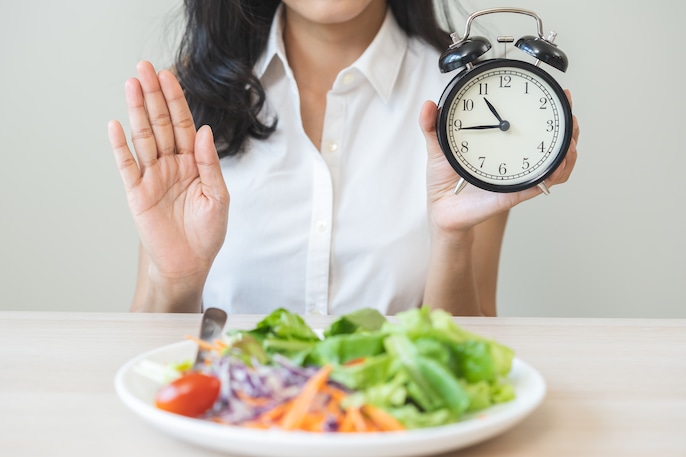
Fasters often report sharper focus and fewer crashes — until hunger hits hard. For some, skipping meals sparks overeating later, undoing progress with one high-calorie binge.

Small, frequent meals keep blood sugar steady and energy consistent. Athletes and gym-goers love it — their metabolism stays fueled like a slow-burning fire throughout the day.
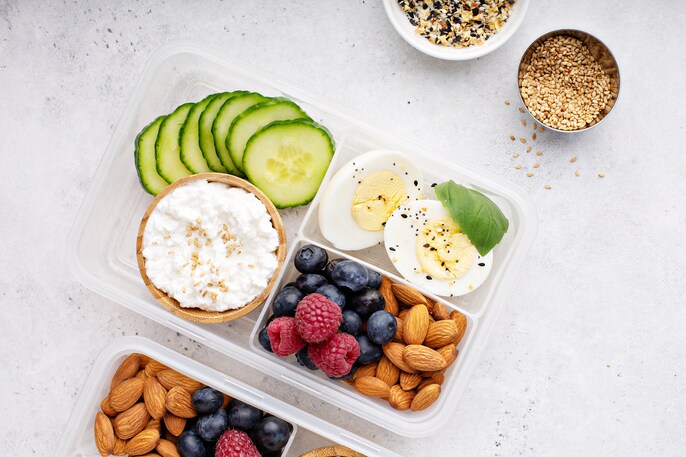
But there’s a trap: grazing all day can quietly blow your calorie budget. Without mindful portions, “healthy snacking” becomes an invisible weight gain culprit.

Research published in The American Journal of Clinical Nutrition confirms it: fat loss isn’t about how often you eat, but how much. A calorie deficit — not timing — remains king.
Fasting might improve insulin sensitivity and growth hormone levels, giving a biochemical boost to fat metabolism. But the same shift can backfire for those prone to fatigue or low blood sugar.

Night owls thrive on fasting windows, while early risers prefer small, steady meals. Diet success, experts say, depends less on the clock — and more on your body’s rhythm and discipline.
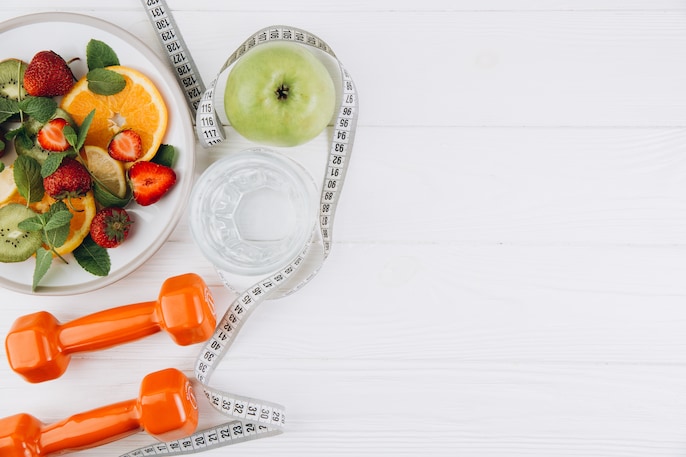
The smartest plan is sustainable, not extreme. Whether you’re fasting or snacking, long-term fat loss comes from consistency, nutrient-rich food, good sleep, and stress control.
 Gen Z Is Changing Politics? D.K. Shivakumar On Youth Power & Rahul Gandhi’s Outreach
 Babita Singh Reporting, Part-Timers, Bandar & More: 5 OTT Releases To Watch This Weekend
 Using AI To Write? You Could Be Caught! Anthropic's Invisible Watermark Explained
 Shah Rukh, Salman & Madhuri-Backed Pernia’s Pop-Up Shop Parent Eyes ₹680 Cr IPO
 Explained: How China Is Using Old Chips, New Designs And Robots To Beat The Blockade