


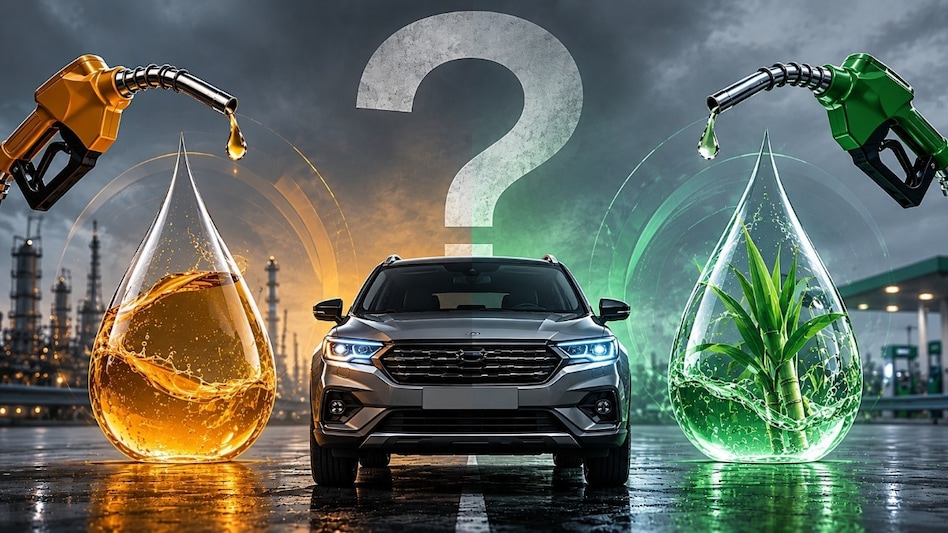
 India completed the nationwide rollout of E20 petrol—fuel blended with 20% ethanol—more than six years ahead of its original 2030 target.
As India works towards reducing its dependence on imported crude oil and lowering carbon emissions, ethanol fuel has emerged as a key component of the country’s energy strategy. The government has been aggressively promoting ethanol blending in petrol to increase the share of cleaner, domestically produced fuel in the transportation sector.
What Is Ethanol Fuel?
Ethanol is a renewable biofuel made from plant-based materials such as sugarcane, molasses, maize, rice, and other agricultural feedstocks. It is a type of alcohol that can be blended with petrol and used in conventional internal combustion engines. An ethanol blend contains highly purified ethyl alcohol mixed with petrol in specific proportions.
In India, petrol sold at fuel stations increasingly contains ethanol. The most common blends are E10 (10% ethanol and 90% petrol) and E20 (20% ethanol and 80% petrol). The government aims to achieve nationwide 20% ethanol blending under its Ethanol Blended Petrol (EBP) Programme.
READ THIS: 'E85 fuel has arrived...': Why Hardeep Puri says E20 vehicles aren't going anywhere
How Is Ethanol Produced?
1. Feedstock Collection: In India, ethanol is mainly produced from sugarcane juice, molasses, and sugar syrup, along with maize and surplus or damaged food grains such as rice and wheat. Expanding approved feedstocks has increased ethanol production, supported farmers’ incomes, and strengthened the ethanol blending programme, reducing the country’s dependence on imported fossil fuels.
2. Fermentation Process: The sugar or starch extracted from these crops is mixed with yeast. During fermentation, yeast converts sugars into alcohol and carbon dioxide.
3. Distillation and Purification: The fermented liquid is then heated in distillation units to separate alcohol from water and impurities. The resulting ethanol is further purified to achieve fuel-grade quality.
4. Blending with Petrol: Oil marketing companies procure ethanol from distilleries and blend it with petrol before supplying it to fuel stations across the country.
DON'T MISS: India’s electric car penetration rising, hits 7% in May
India’s Ethanol Blending Journey
The Ethanol Blended Petrol Programme was launched to gradually increase the percentage of ethanol in petrol. Over the last decade, blending levels have risen significantly due to policy support, financial incentives, and the expansion of ethanol production capacity. India has already achieved blending levels close to 20% and is expected to meet its E20 target for the 2025-26 supply year.
Challenges Ahead
Despite rapid progress, challenges remain. Ethanol production requires large quantities of water and agricultural feedstocks. Experts have also raised concerns about balancing fuel production with food security and ensuring a sufficient supply of crops for both purposes. Continued investment in alternative feedstocks and second-generation biofuels will be important for long-term sustainability.

 AI's biggest bottleneck isn't Nvidia: Why India's biggest AI investment opportunity may be power, not software
 Resignation of part-time chairman a challenging event; raised questions on lender's governance standards: HDFC Bank MD and CEO Jagdishan
 New Namo Bharat corridor to cut Ghaziabad-airport travel time to 50 minutes; Can this spark a real estate boom?
  '1,000 missiles are locked, loaded': Trump's latest threat to Iran could hit fuel prices worldwide
 Filing ITR-1 for AY 2026-27? These 5 new changes in the excel utility could affect your tax return
 Harish Krishnan's Top Investment Themes For The Next 3 Years
 Stock Market Volatility Explained: Krishnan on Micro Investing Over Macro Panic
 FM Sitharaman Targets 5,000 GCCs By 2030 As Global Giants Like Air Liquide Expand Into India!
 The Tech Gear Show #10 | Tech News, ALT Buds Open Review, Nothing Phone (4b), Noise Rep Hands-on
 #Podcast Ep15: BMW India President Hardeep Singh Brar On EVs, Luxury Cars, Ethanol & Mobility Future
 Is India's IPO pipeline creating a new generation of investor-ready startups?
 4 Nifty FMCG stocks to buy after 32% selloff: What past 4 big falls since 2004 hint at
 Persistent Systems fixes record date for Rs 18 final dividend; check details
 DMart Q1 earnings preview: Net profit, EBITDA may grow in double digits; demand outlook among key things to track
  Sensex, Nifty extend gains; Rs 5.8 lakh crore investor wealth added; what's ahead?









