


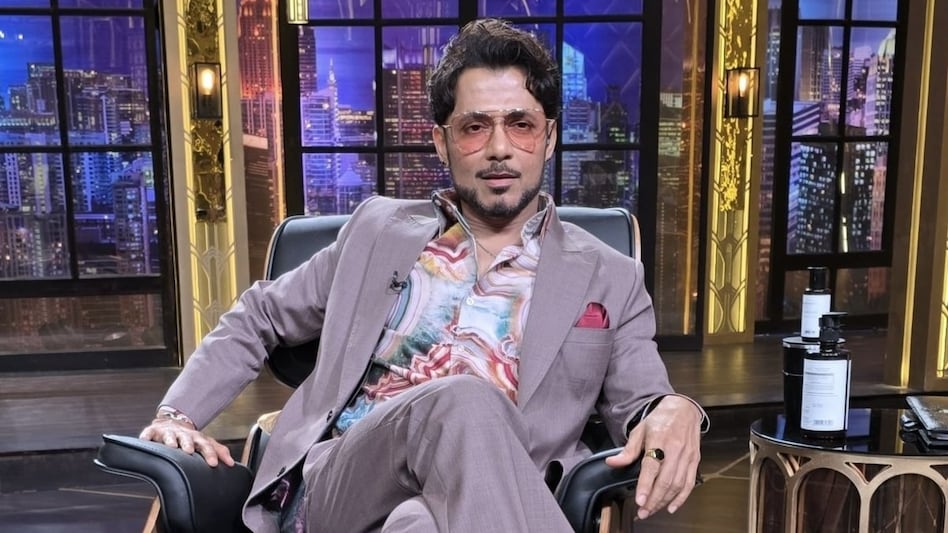
 Mittal himself acknowledged that while he does hold an MBA, what truly shaped his entrepreneurial journey was his time as a Product Manager.
 Anupam Mittal, Founder & CEO of People Group and Shaadi.com, has stirred a lively debate on the relevance of traditional business education with his candid reflections on LinkedIn.
In a post that quickly drew attention across professional circles, Mittal questioned whether an MBA is still the golden ticket it once was. “Most MBAs are outdated,” he wrote, suggesting instead that the best career accelerator lies in learning how to build products. “That’s how I started. As a Product Manager… Case studies and frameworks are nice, but they don’t teach you how to question the status quo, build deep empathy for customers, or influence without authority.”

 US diesel price hits record $6.49: How much prices have surged since Hormuz crisis
 AI agents are coming for every day tasks: What Goldman Sachs sees for the next AI growth wave
 Escalating Houthi-Saudi clashes trigger fresh US travel warning across West Asia
 French fuel crisis deepens as one in nine stations run out of stock, diesel prices at record high
  'Enjoy the journey, do not turn confidence into arrogance': Chandrasekaran on life lessons
  Crude Oil Above $100: How High Energy Prices And Rupee Weakness Impact Gold Prices In India
 CEA On India’s Manufacturing Rise, Atmanirbhar Bharat And Modi’s Economic Policy
 Health Insurance Buying Guide: 7 Things First-Time Buyers Must Check Before Choosing A Policy
 CEA On India’s 7.8% Growth, Rural Incomes And Government’s Job Creation Push
  Gold Price Outlook: Why Dollar Weakness Could Keep Gold And Silver Prices Attractive Ahead
 Jindal Supreme, SS Retail, Hero Motors IPOs subscribed up to 181 times on final day; details here
 Sensex, Nifty post sixth weekly loss; TCS, Titan among top laggards, slip up to 4%
 How AI collapse could benefit Indian equity market; Jefferies' Christopher Wood explains
  Banks are no more secular growth story, prefer NBFCs: Chris Wood
 Jefferies' Christopher Wood sees gold at $10,000 'sooner or later'; likes India's small, midcaps
 'Market forces can't guarantee AI safety': Obama warns profit motives driving premature AI deployment Crude Oil Above $100: How High Energy Prices And Rupee Weakness Impact Gold Prices In India'Enjoy the journey, do not turn confidence into arrogance': Chandrasekaran on life lessons CEA On India’s Manufacturing Rise, Atmanirbhar Bharat And Modi’s Economic Policy
 Gold, silver prices on September 20: Check latest rates in Delhi, Mumbai, Kolkata, other cities












