


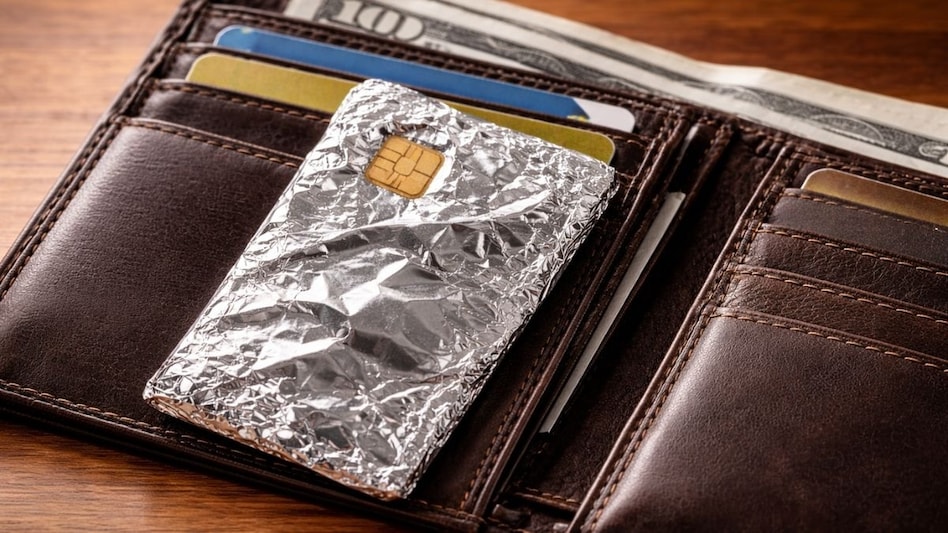
 By creating a basic electromagnetic shield, the foil can make it harder for RFID scanners to communicate with contactless cards.
 As digital payments become the norm, an old household staple is finding an unlikely new use. Across social media, people are wrapping their wallets in aluminum foil, claiming it can stop wireless thieves from stealing sensitive card information.
The unusual hack has sparked curiosity — and skepticism — about whether a thin sheet of kitchen foil can really protect against cyber-enabled pickpocketing.

 Maximum prison term for GST offences rationalised, says finance ministry FAQ
 Jio Platform IPO price to be set at Rs 1,065-1,119, says report; check details
 ‘Vote chori’ proof will be submitted to President, says Rahul Gandhi after INDIA bloc meeting
 'Navi' triumphs over Trump! Indian-origin Navanethem Pillay wins 2026 Nobel Peace Prize
 Tata Sons boardroom battle: Why India Inc fears a wider crisis of ownership rights
 Silver Investment Outlook: Why Gen Z Should Watch This Metal's Long-Term Growth Potential
 Gold Price Outlook: Is This the Right Time to Invest? Expert Sees Potential for New Highs
 India Slams US PERM Suspension, Says JD Vance’s ‘Indentured Servants’ Remark Is Offensive
 Govt Plans Tighter Rules For Prescription Drug Ads, Pharmacies And Wholesalers In Focus
 Apple May Unveil Touchscreen MacBook, OLED iPad Mini In October: What To Expect
 Market on the back foot, opportunities ahead: where should investors put their money?
 Poonawalla Fincorp Q2 earnings: Net profit zooms 405%, NII at Rs 1,589 crore
  Vedanta, TCS shares to turn ex-dividend; Ola rights issue; 2 stock splits next week
 IPO rush: Rs 50,000 crore worth IPOs to hit Street by Diwali; Jio, Avada to lead fundraise
 Adani Ports, GMR Airports rise up to 5% amid block deal reports; check details
  Elon Musk calls Mukesh Ambani 'real boss of India', amid push for Starlink in India
 DMRC issues revised metro closure update ahead of Oct 10; check affected stationsTata Sons boardroom battle: Why India Inc fears a wider crisis of ownership rights‘Vote chori’ proof will be submitted to President, says Rahul Gandhi after INDIA bloc meeting
 RBI schedules ₹25,000 crore bond sale for October 13; yields may open higher on Monday












