


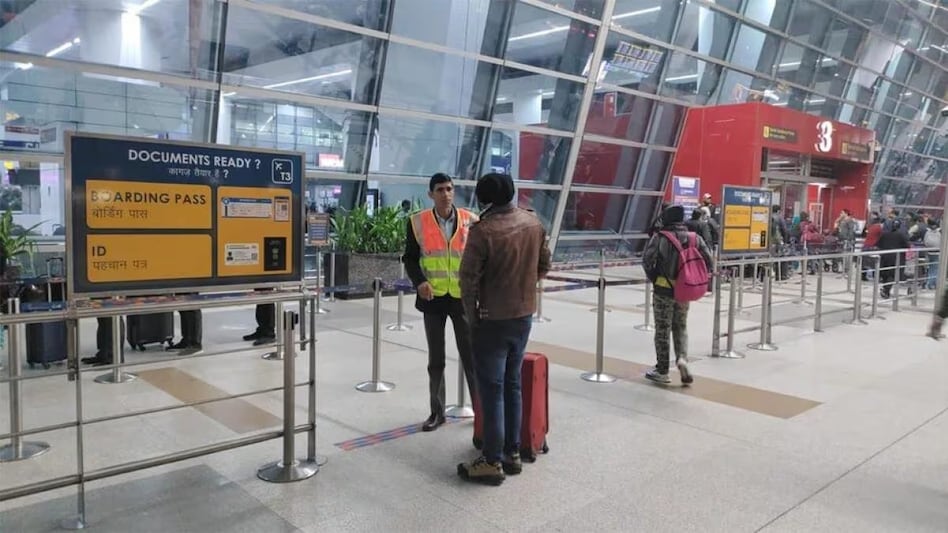
 Many criticized Indian airport security procedures as outdated and inefficient.
 Economist Sanjeev Sanyal recently raised concerns over a common practice at Indian airports — multiple boarding pass checks — that he believes leads to unnecessary bottlenecks. In a post on X (formerly Twitter), Sanyal questioned the rationale behind this repetitive process, noting that it is largely absent in other countries.
“A question to anyone who understands airport security,” Sanyal wrote. “A common phenomenon in Indian airports is that one is asked for the boarding card at the boarding gate, and then again 30 seconds later at the aircraft gate. At the latter, some number is manually struck off a chart. What exactly is the point of this, especially with aero bridge boarding?” He further asked if this could be a candidate for process reform.

 'RBI letter does not mention listing': Noel Tata seeks full briefing on Tata Sons-RBI talks
 Tata Trusts asks Tata Sons to explore options other than listing, says ‘Tata Model has to be saved’
 Tata Trusts proposes ₹25,000 crore plan for SP Group, says Tata Sons listing is not an option
 Chandrasekaran had assured all necessary steps were being taken to remain private: Noel Tata
 'We cannot put the cart before...': Noel Tata's argument against N Chandrasekaran's reappointment
 How India Changed In 12 Years: PM Modi’s Journey From Economic Reforms To Viksit Bharat
 Modi @76: From Twitter To Instagram, How His Digital Outreach Has Evolved
 Stock Picks To Watch: Shibani Kurian Reveals Kotak AMC’s Market Bets
 Gold ETF vs Physical Gold: Know the Tax Rules, Charges and Key Differences
  PPF vs NPS: Tax Benefits, Returns and Lock-in Period Explained for Retirement Planning
 Hero Motors IPO subscribed 3.37 times on Day 2; retail portion subscribed over 5 times
 NSE IPO: India's largest exchange gets 43% subscription on Day 1; NIIs, retail see strong demand
 Rentomojo shares settle maiden trade nearly 32% above IPO price; what should investors do now?
 Sensex slips, Nifty settles higher; Tata stocks gain after N Chandrasekaran reappointment
 Cochin Shipyard, KRBL, RITES, Ramky Infrastructure among stocks to turn ex-dividend on September 18
 Earning ₹1 lakh a month? Should you really buy the ₹3 lakh iPhone 18 Pro Max?
 Greater Noida to Jewar Airport without stopping at a toll barrier: Five things every driver needs to know
 Micron workers want 83 months’ salary, reject company’s 68-month bonus offer as AI boom boosts profits
 Noida Airport commuters can drive through toll plaza without stopping, here’s how it will work
 OTT releases this week (Sept 14- Sept 20): 'Irumudi', 'Thudakkam', 'Lee Cronin's The Mummy' and more to watch this weekend












