

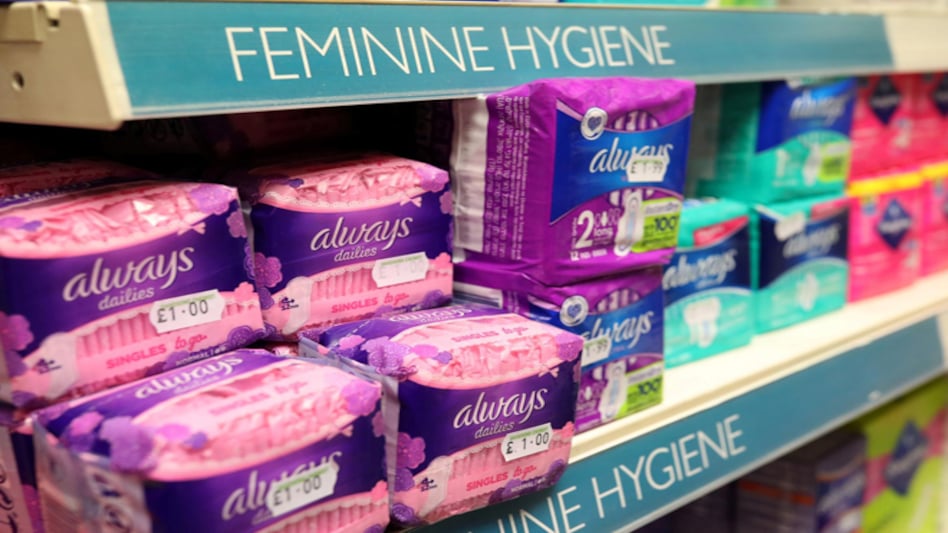
 The Scottish Parliament unanimously approved the Period Products (Free Provision) (Scotland) Bill on Tuesday
Scotland has become the first country in the world to make period products free for all women. The Scottish Parliament unanimously approved the Period Products (Free Provision) (Scotland) Bill on Tuesday. Now, it will be the legal duty of the Scottish government to ensure period items like sanitary pads and tampons are freely available to anyone who needs them.
Monica Lennon, a Member of the Scottish Parliament, first introduced the bill on April 23, 2019. She has been campaigning to end period poverty since 2016. According to Lennon, the Bill will tackle "period poverty", which is when some people who need period products struggle to afford them.
 India-Japan ties: What is the flurry of engagement signalling?
 No new strain of H1N1, virus has been in circulation: ICMR as swine flu cases cross 2,000 mark
 'Normal practice ahead of any VVIP visit': India responds to US envoy's 'no questions' remarks
 Rays of Belief IPO: Mom’s Belief operator to open issue on September 1; Check all key details
 Happiest Mind, Biocon, Apollo Micro among top stock to buy for short-term gains: Check price targets
 Daily Calls: Ask Your STOCK MARKET TODAY QUERIES | Market Update | Share Market News Today
 All About Debt Funds: Types Of Debt Funds & How To Invest | Mutual Fund Guide | Money Today
 “India Can Attract Global Space Talent Like A Magnet”: PM Modi To Startup CEOs
 CM Yogi Responds To Rahul Gandhi Over Manusmriti Remarks, India's Youth, And Heritage
 Skyways Logistics Growth Strategy: Air Cargo, Technology And India’s Manufacturing Boom
 This mid-cap metal stock zooms 15% on Rs 2,700 crore order announcement; do you own?
 RVNL shares a buy? Accumulate railway stock as valuations cool, says Kranthi Bathini
 Godrej Industries announces Rs 20,000 crore Haryana MoU; stock reacts
 Skyways Air IPO: Tech, global diversification to drive growth; debt reduction a key focus, says CMD
 Allied Blenders shares climb 3% after Malaysia expansion; details hereThis mid-cap metal stock zooms 15% on Rs 2,700 crore order announcement; do you own?
 10 years of UPI: Transaction value surges 4,000-fold to reach ₹314 lakh croreRVNL shares a buy? Accumulate railway stock as valuations cool, says Kranthi BathiniGodrej Industries announces Rs 20,000 crore Haryana MoU; stock reacts
 Tehseen Poonawalla detained at home ahead of E20 protest, offers sugarcane juice to cops












