


 NSE has 90 per cent market share in most categories, except index options and commodity F&O. It accounted for 70 per cent of Indian exchange revenues.
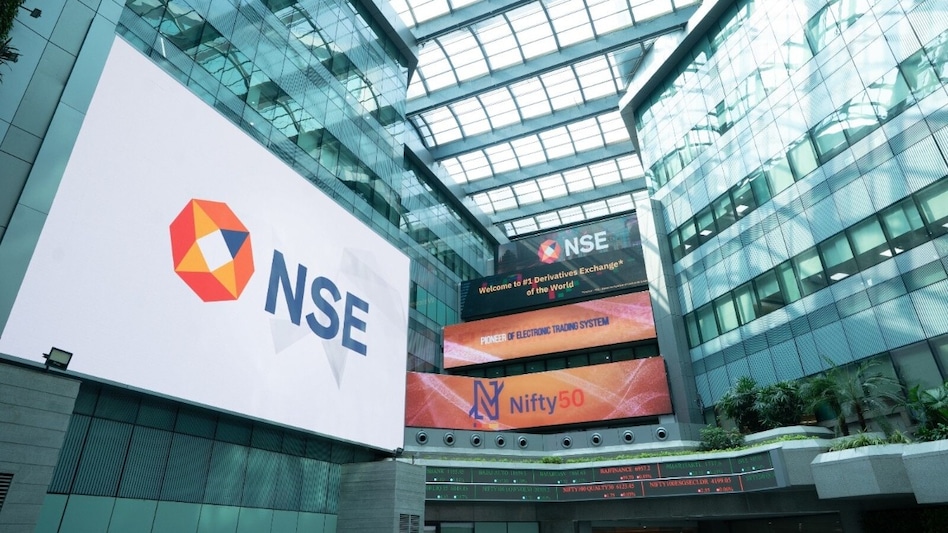
NSE IPO: Jefferies on Tuesday said NSE is among the world's most profitable exchanges, excluding regulatory expenses. The brokerage noted that India's largest stock exchange, which has filed draft papers with SEBI for its Rs 30,000 crore initial public offer (IPO), has a more diversified product mix than BSE and MCX, with over 90 per cent market share across most segments. It added that NSE has built a tech product suite comparable to global peers and is expanding its commodities business.
Jefferies said NSE's higher clearing market share and premium to notional turnover in equity options have helped it deliver stronger profitability than BSE. The NSE IPO listing will complete the trioka, the brokerage said.

 BSE to replace Wipro in Nifty 50 index from September 30: All you need to know
  Meta, MeitY get NHRC notice over anti-Modi political content featuring children on Instagram
 Small savings rates for Q3 FY27: Will the government hike interest rates for the October-December quarter?
 ‘Standoff doesn’t help, third parties will take advantage’: Jaishankar on India-China ties
 BT BIG STORY: Why crypto is still thriving among Indian investors
 Nifty Falls As Oil, IPO Boom Drain Liquidity: What Lies Ahead For Markets?
 Pharma Stocks Rise: U.S. Tariff Relief, Strong Domestic Growth Drive Sector Outlook
 Indian Stock Market Correction: Expert Reveals Small-Cap And Mid-Cap Safe Havens
 Netanyahu’s Secret Abu Dhabi Trip: UAE, Egypt Warnings Put October 7 Under Fresh Focus
 12 Years Of Make In India: How India’s Defence Industry Went From ₹43K Cr To ₹1.78 Lakh Cr
 IndusInd Bank shares off day's low; Jefferies sees 37% upside
 Pine Labs (NSE:PINELABS) drops 3%; firm extends partnership with Woolworths Group
 Elecon Engineering (NSE: Elecon): Brokerages bullish on this Vijay Kedia stock; check fresh targets
 Tata Sons listing may have no immediate rating impact, S&P says
 Market trims losses: Nifty bounces back from 200-WMA on expiry dayNifty Falls As Oil, IPO Boom Drain Liquidity: What Lies Ahead For Markets?
 India inflation hits 4.8% as price pressures broaden beyond food and fuel: ReportPharma Stocks Rise: U.S. Tariff Relief, Strong Domestic Growth Drive Sector OutlookIndian Stock Market Correction: Expert Reveals Small-Cap And Mid-Cap Safe HavensNetanyahu’s Secret Abu Dhabi Trip: UAE, Egypt Warnings Put October 7 Under Fresh Focus












