


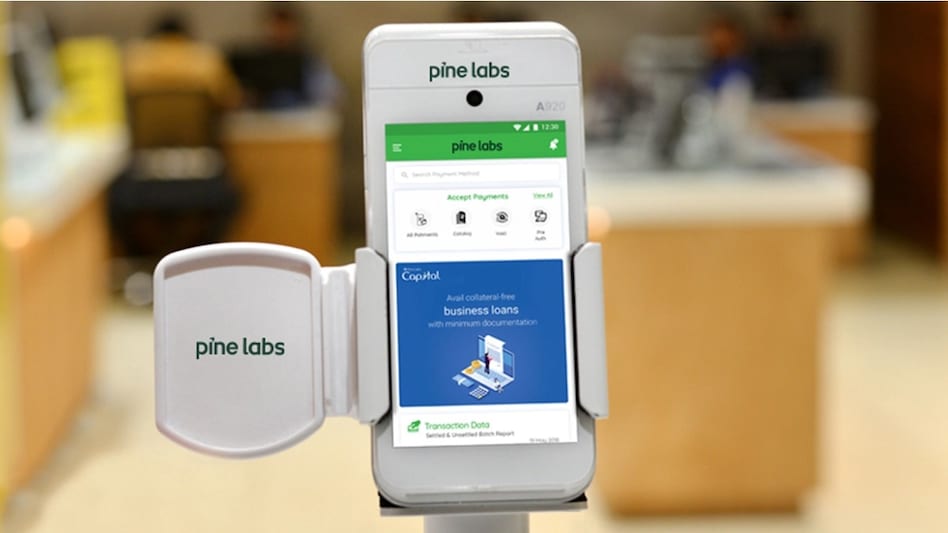
 Pine Labs, based in Noida, provides digital payment solutions for merchants, consumer brands, enterprises, and financial institutions
Fintech company Pine Labs will launch its initial public offering on 7 November 2025, with a price band of Rs 210 to Rs 221 per share. Investors can apply in lots of 67 shares, with the IPO closing on 11 November. At the upper end, the company seeks to raise about Rs 3,900 crore, targeting a valuation of up to Rs 25,377 crore.
Anchor investors may place bids on 6 November. Axis Capital, Morgan Stanley India, Citigroup Global, JPMorgan India, and Jefferies India are the book running lead managers, with Kfin Technologies as registrar. The basis of allotment is scheduled for 12 November, and listing on the BSE and NSE is proposed for 14 November.

 Will RBI raise interest rates in October? Here’s what experts have to say
 Bitter Friday for Nestlé: Russia seizes assets as Moscow targets Western firms over Ukraine support
 West Asia impact: Saudi Aramco halts European crude allocations after East-West pipeline attack
 Tata Electronics partners with Japanese, Malaysian firms to boost semiconductor manufacturing in India
 From selling gold to spending ₹3.5 lakh: iPhone 18 Pro fever hits India as fans queue up on sale day
 “Unacceptable And Unprofessional”: MEA Rejects Pakistan’s Claims Over INS Kolkata Collision
  Commodity Trading For Beginners: How MCX & NCDEX Work | Trading Basics | Money Today
 US Fed Rate Hikes A Headwind For Foreign Flows? | Jibi Jacob | Jefferies
 ₹25 Billion FII Outflow: What Could Bring Foreign Investors Back? | Jefferies' Jibi Jacob
 India’s Private CapEx Picks Up: Christopher Wood On The Market Outlook
 Jindal Supreme, SS Retail, Hero Motors IPOs subscribed up to 181 times on final day; details here
 Sensex, Nifty post sixth weekly loss; TCS, Titan among top laggards, slip up to 4%
 How AI collapse could benefit Indian equity market; Jefferies' Christopher Wood explains
  Banks are no more secular growth story, prefer NBFCs: Chris Wood
 Jefferies' Christopher Wood sees gold at $10,000 'sooner or later'; likes India's small, midcaps
 Who is Rajesh Rawani? Jharkhand truck driver behind 'R Rajesh Vlogs' and luxury truck
 David-Victoria Beckham sell Miami penthouse for $25 million, make nearly $5 million profit
 Influencer announces 'iPhone Langar' in Chandigarh, distribution set for September 22
 LinkedIn top MBA Programs 2026: ISB ranks 5th globally, 7 Indian B-schools in top 100
 Canada visa processing: Indians get faster visitor visas, Super Visa wait hits 70 days












