


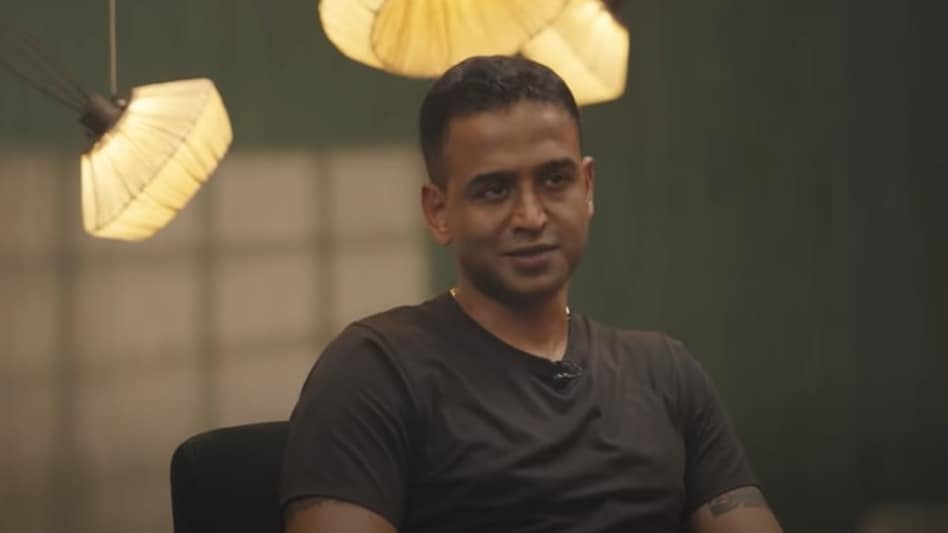
 Despite the booming volumes, Indian crypto exchanges remain unregulated and opaque, with no obligation to disclose trading data.
Zerodha co-founder Nithin Kamath has raised a red flag over the booming, loosely regulated world of crypto futures and options in India, calling attention to extreme leverage and tax arbitrage fueling the surge.
Indian crypto exchanges are witnessing a sharp pivot toward futures trading, with volumes now exceeding spot trades by as much as threefold, according to industry sources. Unlike spot deals, crypto derivatives in India operate in a regulatory grey zone, allowing traders to sidestep the 1% tax deducted at source (TDS) and even avoid the steep 30% tax on profits from virtual digital assets (VDAs).

 Global tax rules being rewritten, BRICS must have greater say: Finance Minister Nirmala Sitharaman
 No petrol, diesel price hike proposal yet; govt may support OMCs if crude stays high
 Why can’t India just stop buying Russian crude oil? FM Nirmala Sitharaman explains
 Whirlpool of India shares jump 20% today; here's what analysts say
 BT Big Story: Why India Inc is warming up to non-English-speaking executives
  India Growth Outlook Gets Major Boost: S&P, Fitch, ADB Raise FY27 Forecasts; OECD Upgrades 2026 View
 A-One Steels IPO Explained: Key Details, Growth Strategy & Future Outlook | Management Live
 Market Commentary: Nifty Outlook, Stocks & Market Strategy | Deven Choksey
 Ignore Large Caps? Why Investors Are Chasing High P/E Mid Cap Stocks Now
 30 IPOs In A Month: Deven Choksey On IPO Flipping And Secondary Market Liquidity
 Crude oil prices fall for sixth session; PL Capital explains what could happen next
 Mazagon Dock, GRSE shares: Does short-term bounce signal trend reversal? Analyst decodes
 35% up from 52-week low! Motilal Oswal sees more steam left in this renewable energy player
 KPIT Technologies stock may see more pain amid IT sector weakness
  What should new stock investors buy? Abhishek Basumallick picks his bets
 India’s Next Growth Wave: SBI Conclave Reveals Viksit Bharat Strategy
 Domestic tourism: Nearly 1 in 2 overnight trips in India are for pilgrimage, religious purposes India Growth Outlook Gets Major Boost: S&P, Fitch, ADB Raise FY27 Forecasts; OECD Upgrades 2026 View
 Indian Army AH-64E Apache Attack Helicopters In Action At India-U.S. ‘Yudh Abhyas 2026’
 'Take immediate remedial measures or halt SIR': Ex-CEC OP Rawat on West Bengal voter deletions












